
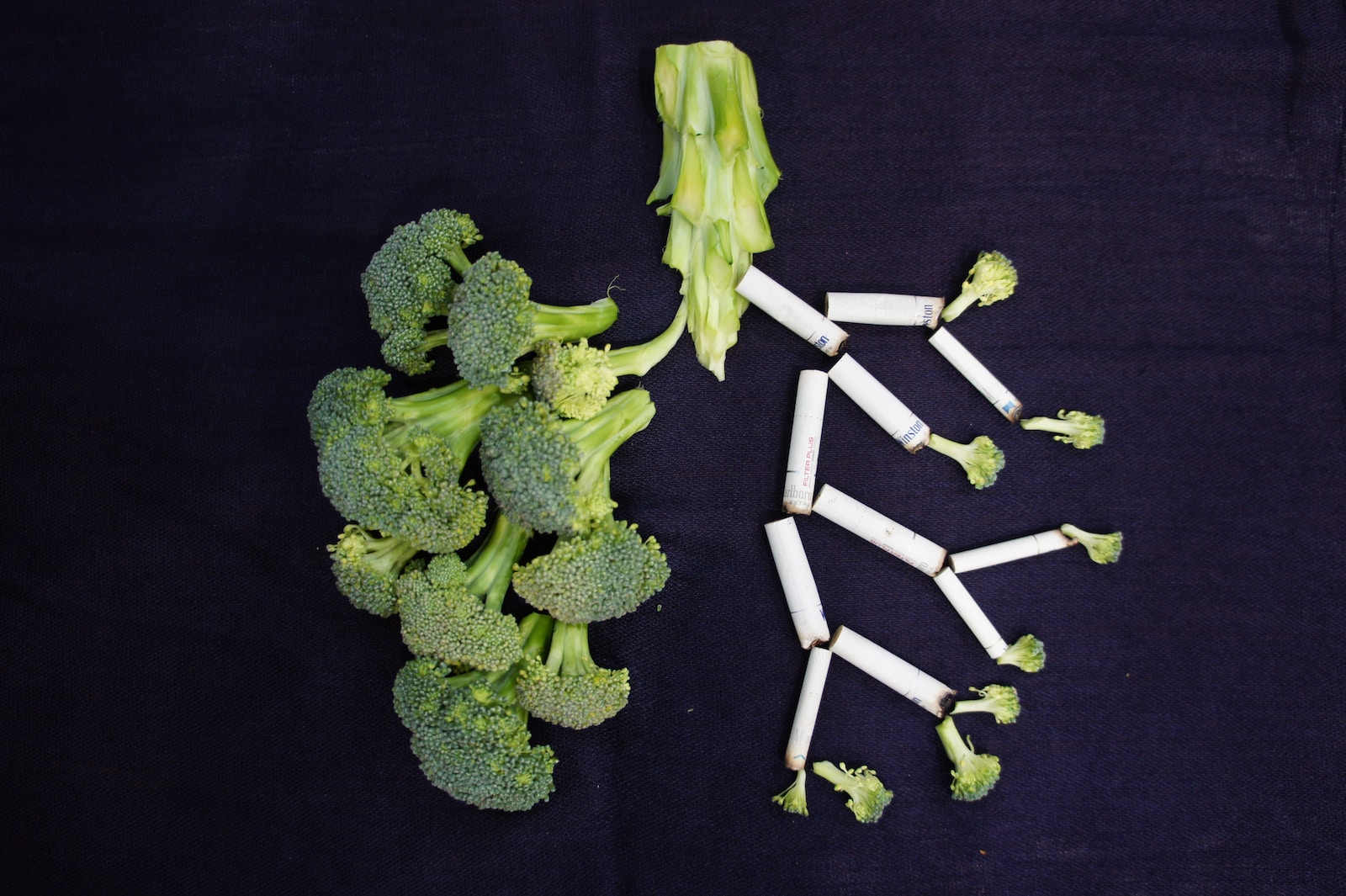
How does one differentiate between the left and right lungs?
The lungs are vital organs responsible for breathing and oxygen exchange. The human respiratory system has two lungs, with the right lung being larger than the left lung due to the location of the heart in the chest cavity. Differentiating between the left and right lungs is essential for medical professionals in diagnosing and treating various respiratory conditions. In this article, we will discuss the anatomy of the lungs and the various methods used to differentiate between the left and right lungs.
Anatomy of the Lungs
The lungs are two spongy organs located in the chest cavity on either side of the heart. They are composed of bronchioles, alveoli, and blood vessels. The right lung has three lobes, while the left lung has two lobes. The lobes of the lungs are further divided into segments, with each segment receiving its blood supply and airways. The lungs are covered by a thin membrane called the pleura, which protects them and helps them move smoothly during breathing.
Differentiating between the Left and Right Lungs
There are several ways to differentiate between the left and right lungs, including:
1. Location
The right lung is located on the right side of the chest cavity and is larger than the left lung. The left lung is located on the left side of the chest cavity and is smaller than the right lung. The location of the lungs is important because it determines which side of the chest cavity medical professionals should examine when diagnosing and treating respiratory conditions.
2. Lobes
The right lung has three lobes, while the left lung has two lobes. The lobes of the lungs are further divided into segments, with each segment receiving its blood supply and airways. The number of lobes in each lung is important because it can help medical professionals determine the extent of lung damage or disease.
3. Bronchial Tree
The bronchial tree is the network of airways that delivers air to the lungs. The bronchial tree in the right lung is wider and shorter than the bronchial tree in the left lung. This difference is due to the location of the heart in the chest cavity. The left lung has to accommodate the heart, so its bronchial tree is narrower and longer than the bronchial tree in the right lung.
4. Blood Supply
The blood supply to the lungs is essential for oxygen exchange. The right lung receives blood from the right pulmonary artery, while the left lung receives blood from the left pulmonary artery. The pulmonary arteries branch off from the pulmonary trunk, which is a large blood vessel that carries deoxygenated blood from the heart to the lungs. The difference in blood supply to each lung is important because it can help medical professionals diagnose and treat various respiratory conditions.
5. Imaging Tests
Imaging tests are medical procedures used to create images of the body’s organs and tissues. There are several imaging tests that can be used to differentiate between the left and right lungs, including:
- Chest X-ray: A chest X-ray is a medical imaging test that uses radiation to create images of the chest cavity. A chest X-ray can show the size and shape of the lungs and any abnormalities.
- Computed Tomography (CT) Scan: A CT scan is a medical imaging test that uses X-rays to create cross-sectional images of the body’s organs and tissues. A CT scan can show the size and shape of the lungs and any abnormalities.
- Magnetic Resonance Imaging (MRI): An MRI is a medical imaging test that uses magnetic fields and radio waves to create detailed images of the body’s organs and tissues. An MRI can show the size and shape of the lungs and any abnormalities.
- Pulmonary Function Tests: Pulmonary function tests are medical procedures that measure how well the lungs are functioning. These tests can help medical professionals diagnose respiratory conditions and differentiate between the left and right lungs.
-
Conclusion
Differentiating between the left and right lungs is essential for medical professionals in diagnosing and treating various respiratory conditions. The right lung is larger and has three lobes, while the left lung is smaller and has two lobes. The bronchial tree in the right lung is wider and shorter than the bronchial tree in the left lung. The blood supply to each lung is different, with the right lung receiving blood from the right pulmonary artery and the left lung receiving blood from the left pulmonary artery. Medical professionals can use imaging tests like chest X-rays, CT scans, MRI, and pulmonary function tests to differentiate between the left and right lungs accurately. Understanding the anatomy and function of the lungs is crucial in maintaining good respiratory health and preventing respiratory diseases.


