
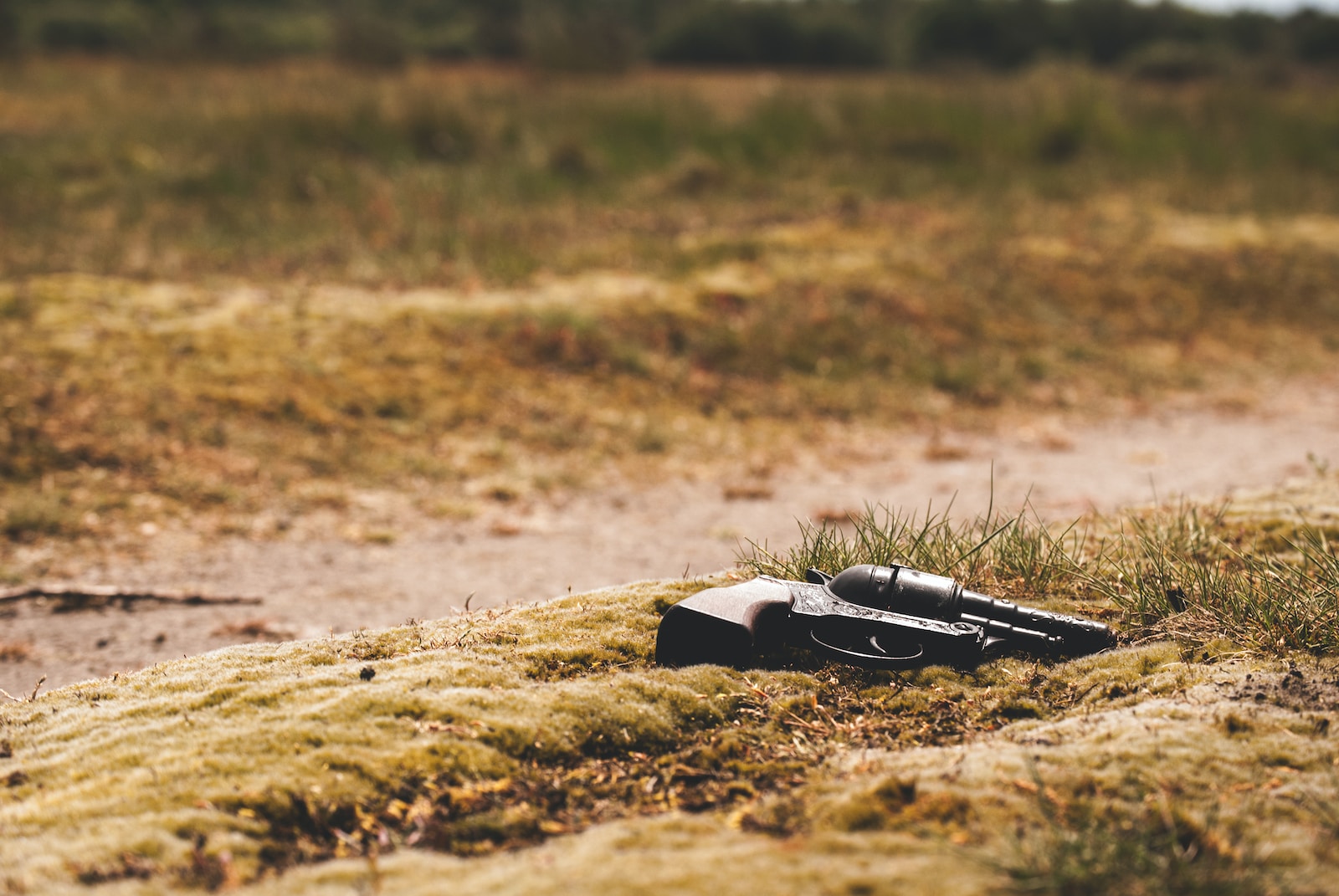
Distinguishing between replicas and genuine antique firearms and weapons is a crucial skill for collectors, enthusiasts, and anyone interested in these historical artifacts. With the market flooded with reproductions and counterfeit items, it’s essential to be able to identify the authenticity of antique firearms and weapons. This comprehensive guide will provide you with valuable tips and techniques to help you distinguish between replicas and genuine antique firearms and weapons.
How Does One Distinguish Between Replicas and Genuine Antique Firearms and Weapons?
1. Conduct Thorough Research
Before diving into the physical examination, conduct thorough research on the specific type, period, and characteristics of the antique firearm or weapon you are evaluating. Study reference books, catalogs, online resources, and reputable sources to familiarize yourself with the authentic features, markings, and variations of the original items. This knowledge will serve as a foundation for your evaluation.
2. Examine the Materials and Workmanship
Authentic antique firearms and weapons are typically made of high-quality materials and exhibit superior craftsmanship. Carefully examine the materials used, such as wood, metal, or ivory, and assess their condition, patina, and wear. Look for signs of handcrafted details, such as engraved patterns, inlay work, or decorative elements that indicate the skill and artistry of the original makers.
3. Check for Genuine Manufacturer’s Markings and Stamps
Genuine antique firearms and weapons often bear manufacturer’s markings, stamps, or proof marks that provide valuable clues to their authenticity. These markings are typically found on specific parts, such as the barrel, frame, or handle, and may include the manufacturer’s name, logo, serial numbers, or government proof marks. Research and compare these markings to known authentic examples to verify their legitimacy.
4. Assess the Age and Patina
Antique firearms and weapons develop a natural aging process over time, resulting in a distinct patina and wear patterns. Examine the overall condition of the item and assess if the aging appears consistent with its claimed age and historical context. Look for signs of genuine wear, such as scratches, dents, or discoloration, which are unlikely to be replicated accurately in replicas.
5. Study Historical Documentation and Provenance
If available, study historical documentation and provenance associated with the antique firearm or weapon. This may include letters, photographs, invoices, or other records that trace the item’s ownership, usage, or historical significance. Authentic items often have a well-documented history that can provide valuable evidence of their legitimacy.
6. Seek Expert Opinion
When in doubt, seek the opinion of experts or professionals specializing in antique firearms and weapons. These individuals possess extensive knowledge and experience in assessing authenticity and can provide valuable insights and guidance. Consult with reputable appraisers, museum curators, or experienced collectors who can offer their expertise in distinguishing between replicas and genuine antique firearms and weapons.
7. Compare to Known Authentic Examples
Compare the item in question to known authentic examples of similar antique firearms and weapons. Visit museums, attend exhibitions, or join collector communities where you can examine genuine artifacts firsthand. By observing and comparing the details, features, and craftsmanship of authentic items, you can develop a trained eye to spot the subtle differences between replicas and genuine antique firearms and weapons.
8. Trust Your Instincts and Exercise Caution
Lastly, trust your instincts and exercise caution when assessing the authenticity of antique firearms and weapons. If something feels off or too good to be true, it’s important to conduct further research and seek professional opinions. Remember that the market for replicas and counterfeit items is ever-present, and a thorough evaluation is crucial to avoid purchasing misrepresented or fake antique firearms and weapons.
Conclusion
Distinguishing between replicas and genuine antique firearms and weapons requires a combination of research, examination, expert opinion, and comparison to known authentic examples. By honing your knowledge, studying the materials and workmanship, examining markings and patina, researching historical documentation, seeking expert advice, and trusting your instincts, you can confidently identify the authenticity of antique firearms and weapons and make informed decisions as a collector or enthusiast.


