
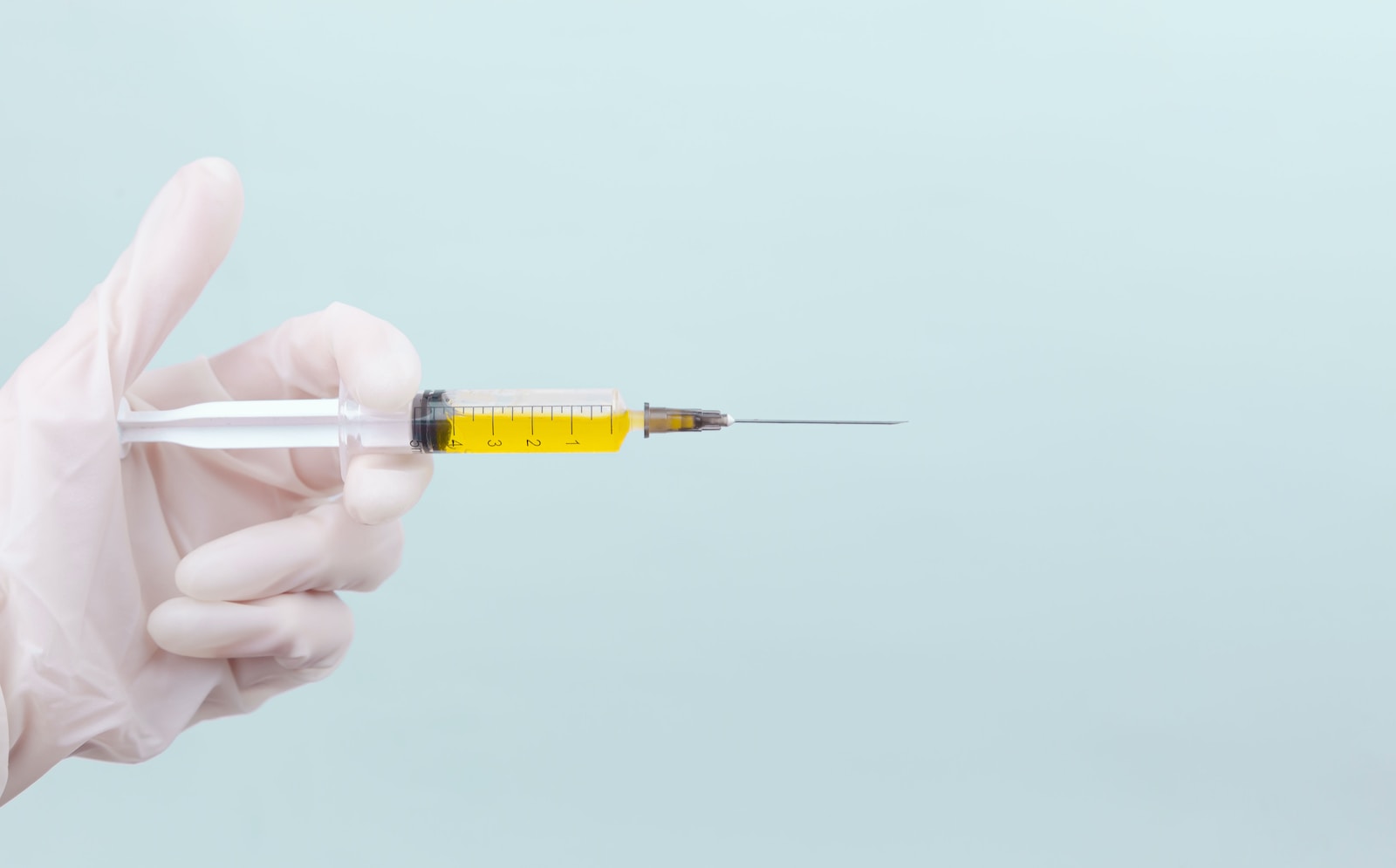
Vaccine safety is of paramount importance in the development process to ensure that vaccines are effective and free from potential risks. Extensive measures are taken to evaluate and monitor the safety of vaccines at every stage, from initial research to post-licensure surveillance. This rigorous process ensures that vaccines meet the highest standards of safety before they are made available to the public.
Ensuring Vaccine Safety during the Development Process
1. Preclinical Testing
Before vaccines are tested on humans, they undergo rigorous preclinical testing. This stage involves laboratory studies and animal testing to assess the safety and immunogenicity of the vaccine candidate. Researchers evaluate the potential side effects and any adverse reactions in animals to gather preliminary safety data.
2. Phase 1 Clinical Trials
Phase 1 clinical trials involve a small group of healthy volunteers to assess the vaccine’s safety profile. The main focus is to determine the appropriate dosage and evaluate any potential adverse effects. The participants are closely monitored, and their immune responses and any side effects are recorded.
3. Phase 2 Clinical Trials
In Phase 2 clinical trials, a larger group of volunteers is enrolled to further evaluate the vaccine’s safety and immune response. This phase provides additional data on the vaccine’s effectiveness and side effects in a more diverse population. Close monitoring and data collection continue throughout this stage.
4. Phase 3 Clinical Trials
Phase 3 clinical trials involve large-scale studies with thousands of participants. The primary objective is to evaluate the vaccine’s safety and efficacy on a broader scale. Researchers compare the incidence of the disease among vaccinated individuals and those who received a placebo, monitoring for any adverse events or side effects.
5. Regulatory Approval
After the completion of clinical trials, regulatory agencies such as the U.S. Food and Drug Administration (FDA) review all the data before granting approval for vaccine use. These agencies meticulously analyze the safety data from clinical trials and consider the benefits of the vaccine in relation to potential risks.
6. Post-Licensure Surveillance
Once a vaccine is approved and available for use, post-licensure surveillance systems are established to monitor its safety in real-world settings. These systems collect and analyze data on adverse events following immunization (AEFI). Healthcare providers, vaccine manufacturers, and regulatory agencies collaborate to detect, investigate, and respond to any potential safety concerns.
7. Vaccine Adverse Event Reporting System (VAERS)
The Vaccine Adverse Event Reporting System (VAERS) is a key component of post-licensure surveillance. It is a national system in the United States that allows healthcare providers, vaccine manufacturers, and the public to report any adverse events or side effects after vaccination. This system plays a crucial role in monitoring vaccine safety and detecting any rare or unexpected adverse events.
8. Global Vaccine Safety Collaboration
International collaboration is vital in ensuring vaccine safety. Organizations like the World Health Organization (WHO) and the Global Vaccine Safety Initiative (GVSI) facilitate global cooperation in monitoring and evaluating vaccine safety. These collaborations help share information, best practices, and surveillance data, ensuring a coordinated and comprehensive approach to vaccine safety.
Conclusion
Ensuring vaccine safety during the development process involves a rigorous and multi-layered approach. From preclinical testing to post-licensure surveillance, extensive measures are in place to evaluate and monitor vaccine safety. Clinical trials, regulatory approval processes, and post-marketing surveillance systems play crucial roles in gathering safety data and addressing any potential adverse events. Global collaboration further strengthens vaccine safety monitoring and enhances public confidence in immunization. By adhering to these rigorous safety protocols, vaccines continue to be one of the safest and most effective tools in preventing infectious diseases and protecting public health.
In conclusion, the stringent evaluation of vaccine safety during the development process is essential to ensure that vaccines meet high standards of efficacy and minimize potential risks.


