
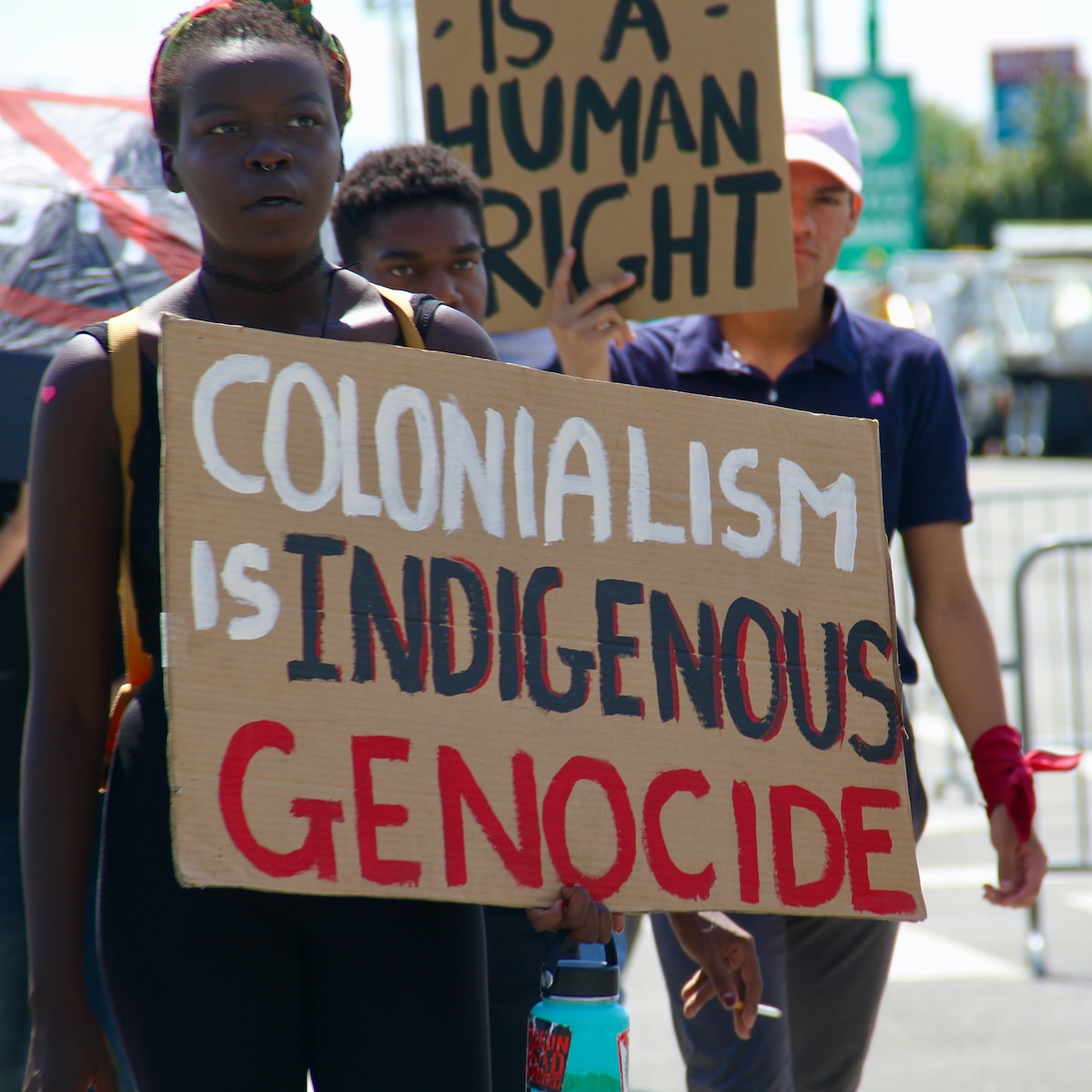
The occurrence of genocide, characterized by the deliberate and systematic destruction of a specific group, reverberates beyond its immediate victims and perpetrators. The impact of genocide extends to the realm of international relations, influencing diplomatic relations, global perceptions, and the international community’s response. This article delves into how one can examine the impact of genocide on international relations, exploring its consequences for diplomatic dynamics, humanitarian interventions, and the pursuit of justice.
Examining the Impact of Genocide on International Relations
Diplomatic Relations
Genocide can significantly impact diplomatic relations between nations. The occurrence of genocide within a country can strain relationships with other states, especially if those nations are seen as supporting or failing to prevent the genocide. Examining the impact of genocide on international relations involves considering the following aspects:
- Diplomatic Responses: Countries may respond to genocide differently based on their political and strategic interests, values, and moral obligations. Some nations may condemn the atrocities, impose sanctions, or sever diplomatic ties with the perpetrating state. Others may choose not to intervene due to geopolitical considerations or economic partnerships.
- Humanitarian Assistance: The occurrence of genocide often prompts international humanitarian responses. Examining the impact on international relations entails analyzing the provision of aid, refugee flows, and coordination between countries in addressing the humanitarian crisis resulting from the genocide.
- Regional Dynamics: Genocide can have ripple effects on regional stability and cooperation. It may exacerbate existing tensions, lead to cross-border conflicts, or prompt regional actors to take sides. Analyzing the impact involves considering the influence on regional organizations, alliances, and efforts for conflict resolution or peacebuilding.
Humanitarian Interventions
Genocide poses significant challenges for the international community and its commitment to the protection of human rights. Examining the impact of genocide on international relations involves assessing the responses and effectiveness of humanitarian interventions:
- Responsibility to Protect (R2P): The concept of R2P asserts that states have a responsibility to protect populations from genocide, war crimes, ethnic cleansing, and crimes against humanity. Analyzing the impact of genocide on international relations requires evaluating the implementation of R2P principles and the international community’s willingness to intervene to prevent or stop genocidal acts.
- United Nations Involvement: The United Nations plays a crucial role in addressing genocide and its impact on international relations. This includes efforts by the Security Council to authorize interventions, establishment of peacekeeping missions, and engagement through specialized agencies such as the Office of the High Commissioner for Human Rights. Examining the impact involves evaluating the effectiveness of UN mechanisms in preventing, responding to, and providing justice for genocide.
- Human Rights Discourse: Genocide often triggers global discussions on human rights and atrocities. These discussions can influence the international agenda, shape public opinion, and mobilize civil society. Analyzing the impact involves assessing the role of human rights discourse in shaping diplomatic actions, policies, and international norms.
Pursuit of Justice
The pursuit of justice for genocide is essential for accountability, reconciliation, and the prevention of future atrocities. Analyzing the impact of genocide on international relations includes examining the pursuit of justice through the following lenses:
- International Criminal Tribunals: The establishment of international criminal tribunals, such as the International Criminal Court (ICC), aims to hold individuals accountable for genocide and other international crimes. Examining the impact involves evaluating the cooperation of states with these tribunals, the role of international justice in deterring future genocides, and its implications for diplomatic relations.
- Truth and Reconciliation Processes: In post-genocide societies, truth and reconciliation processes aim to promote healing, justice, and social cohesion. Analyzing the impact involves assessing the international community’s support for these processes, their influence on diplomatic relations, and their role in fostering sustainable peace.
- Impunity and Transitional Justice: Examining the impact of genocide on international relations requires considering the prevalence of impunity and the challenges associated with achieving justice. The international community’s response to the prosecution or granting of amnesty to perpetrators can shape diplomatic relations, perceptions of justice, and prospects for reconciliation.
Conclusion
The impact of genocide on international relations is far-reaching, encompassing diplomatic relations, humanitarian interventions, and the pursuit of justice. Understanding and analyzing these impacts are vital for developing effective preventive strategies, promoting accountability, and fostering global cooperation in the face of genocidal atrocities. By examining the consequences of genocide on international relations, political scientists can contribute to a deeper understanding of the dynamics at play and work towards a more just and peaceful world.


