
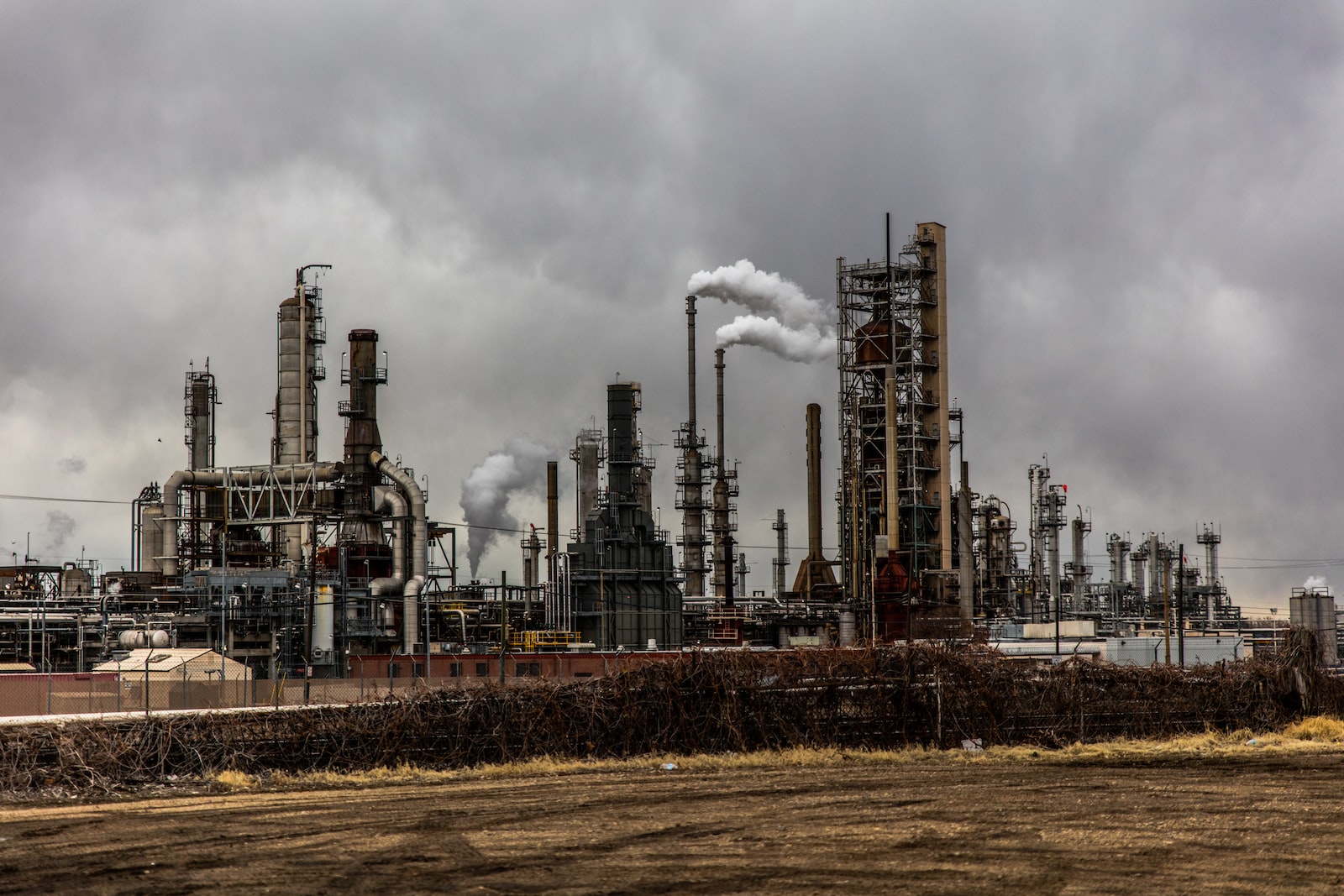
The Industrial Revolution had a significant impact on all aspects of society, including the arts. This impact was particularly evident in the Romantic movement, which emerged in response to the rapid changes brought about by industrialization. In this essay, we will examine the impact of the Industrial Revolution on Romanticism and how this is reflected in the works of Romantic artists and writers.
The Impact of the Industrial Revolution on Romanticism
One of the most significant ways that the Industrial Revolution impacted Romanticism was by changing people’s relationship to nature. As factories and mills sprang up across Europe, the natural world was increasingly seen as something to be tamed and exploited for profit. This led Romantic artists and writers to develop a deep appreciation for the natural world and to celebrate its beauty and power in their works.
For example, the Romantic painter J.M.W. Turner was known for his landscapes, which often depicted the beauty and majesty of nature in contrast to the bleak and polluted urban landscape. His works were a response to the rapid urbanization that was occurring in Britain during the Industrial Revolution, and he sought to capture the sublime power of nature as a way of highlighting the destructive impact of industrialization.
Similarly, the Romantic poet William Wordsworth celebrated the natural world in his poetry, which was a reaction to the mechanization of society. His poem “I Wandered Lonely as a Cloud” reflects his appreciation for the natural world and his belief that it was a source of spiritual renewal and inspiration.
The impact of the Industrial Revolution on Romanticism is also reflected in the movement’s emphasis on individualism. As people began to move from rural areas to cities to work in factories, they became disconnected from their communities and from nature. Romantic artists and writers saw this as a threat to individual freedom and expression, and they sought to celebrate the unique perspective of the individual.
For example, in Mary Shelley’s novel “Frankenstein,” the protagonist is driven by his desire to create life and achieve scientific knowledge, even though it goes against the accepted laws of science and morality. His pursuit of knowledge and power ultimately leads to his downfall, but the novel suggests that his individualism and ambition are admirable qualities.
In addition, the Romantic movement was characterized by a rejection of the Enlightenment emphasis on reason and rationality. This rejection was partly a response to the dehumanizing and mechanistic nature of industrial society, which emphasized efficiency and productivity over human needs and desires. Instead, Romantic artists and writers celebrated emotion, imagination, and intuition, which they believed were essential to the human experience.
For example, in the poetry of William Blake, the imagination is celebrated as a way of transcending the limitations of reality and connecting with the divine. His poem “The Tyger” questions the nature of God and the existence of evil, suggesting that the individual must question and challenge the dominant ideas of their society in order to achieve true enlightenment.
In conclusion, the impact of the Industrial Revolution on Romanticism was profound, and it is reflected in the movement’s emphasis on nature, individualism, and imagination. Romantic artists and writers sought to celebrate the beauty and power of the natural world in response to the destructive impact of industrialization, and they emphasized the importance of individual freedom and expression as a way of resisting the dehumanizing nature of mechanized society. Today, the themes of Romanticism continue to resonate with audiences, reminding us of the importance of preserving our connection to nature and our individuality in the face of rapid technological change.


