
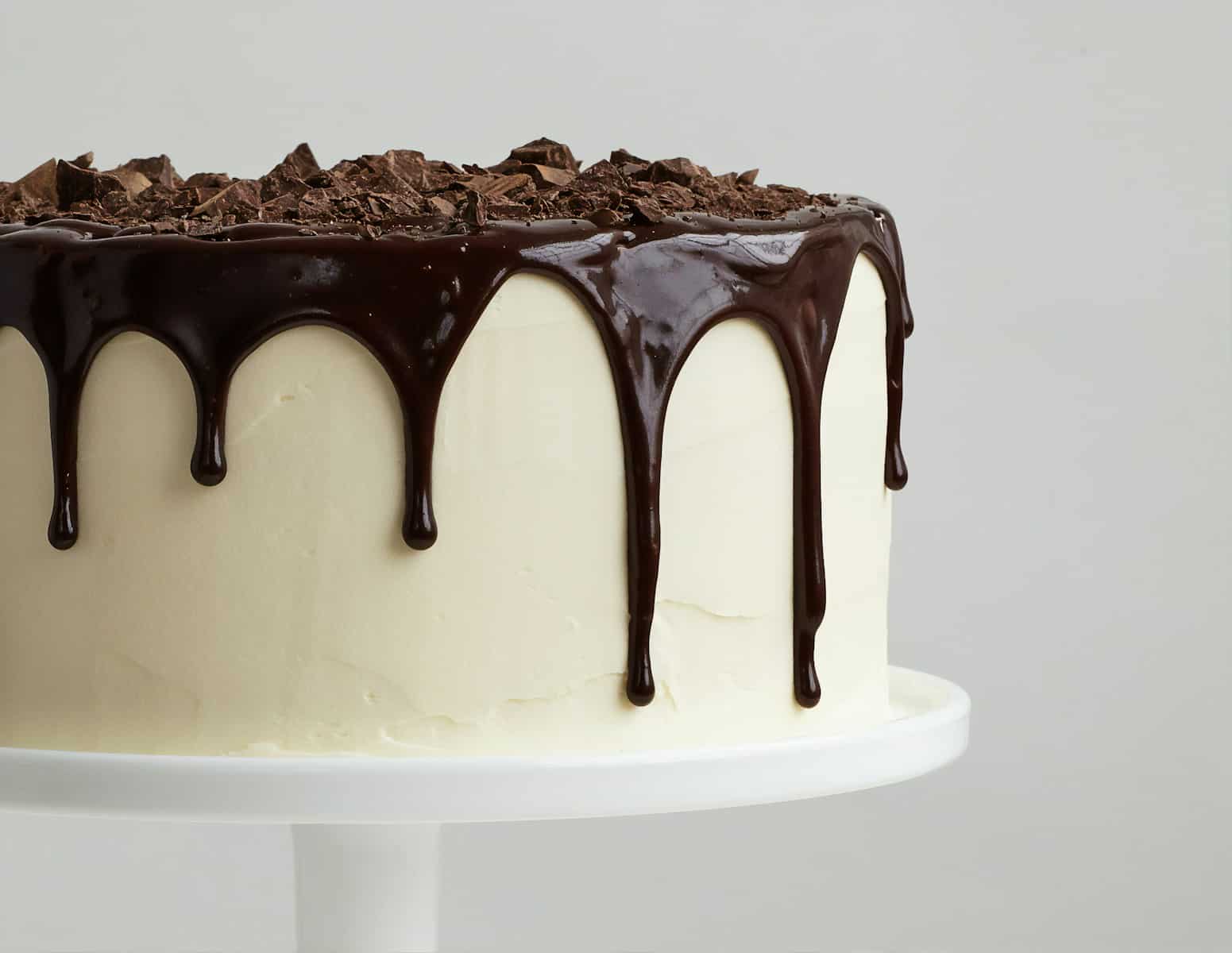
The music is still going, the birthday candles are a waxy puddle, and the cake has made at least three full laps around the room. You are full. Deeply, completely, “I might actually turn into frosting” full.
Yet here comes the host again, knife in hand, asking if you want “just one more piece of cake.” Maybe for the 14th time.
It seems like such a small thing, but saying no can feel oddly intense. You do not want to hurt anyone’s feelings, especially when they spent time baking. You do not want to look ungrateful, boring, or “too healthy.” At the same time, you also do not want to wobble home overstuffed and uncomfortable.
This is where a tiny social life skill comes in. With a few simple scripts, some quiet body language tricks, and a calm mindset, you can protect your body and your boundaries, and still be warm, grateful, and fun to be around. Think of it as party jiu-jitsu, not high drama.
Why Saying No To Cake Feels So Awkward (And Why It’s Actually Okay)
Most people are not bad at saying no in general. You say no to spam calls, to random survey people, to buying three extended warranties in one week. Food, though, is different.
Food is loaded with emotion. Dessert, in particular, sits right at the overlap of celebration, comfort, and habit. So when you say, “No thanks, I’m good,” it can feel like you are saying no to more than sugar. It can feel like you are saying no to the person themselves.
Etiquette experts point out that this is more feeling than fact. Polite refusal is completely normal. Guides on how to refuse food politely, according to etiquette experts stress the same pattern: a brief thank you, a clear no, and no drama around it. Hosts are usually fine when the message is kind and simple.
Your body, your health goals, and your comfort are not small things. They are allowed to matter even when cake is involved.
The social pressure behind “Come on, just one more slice”
Picture a few common scenes.
It is a big family holiday and your aunt is on a mission. She spent two days on that layered cake. She is not just serving dessert, she is serving love, pride, and childhood nostalgia in frosting form. Every “Are you sure?” is really, “Did you feel all the effort I put in?”
Or you are at an office party. The cake is from a famous bakery, paid for by a manager who is trying to boost morale. A coworker walks around offering slices, and saying no sets you apart from the group. The joke about “Come on, live a little!” is light on the surface, but it still lands on you.
Sometimes it is a friend who baked something “just for you.” They are excited. They are waiting for your reaction. You feel like the taste test is the friendship test.
Writers who study “food pushers,” like the dietitians behind these tips for dealing with food pushers at social events, point out that people often use food to offer care, to show effort, or to keep a tradition alive. That is why they keep circling back with the tray, even after you said no.
You are not wrong to feel uncomfortable. The pressure is real. It just does not mean you are required to keep eating.
Your plate, your rules: remembering you are allowed to say no
Here is the quiet truth under all the frosting. You are not a public plate. You do not owe anyone dessert.
You can like, love, or deeply adore someone and still decline their food. Respect runs both ways. You respect their effort. They respect your limits.
Think about other parts of your life. You would not let someone pick your clothes, your bedtime, or your bank password. Your stomach is just as personal. When you treat it that way, “No thank you” starts to feel less like a rebellion and more like basic self-care.
Clear, kind boundaries also tend to make things less awkward over time. When you are steady and calm about your “no,” people learn that you mean it. The co-worker with the cupcake box pushes a little less. The relative who always piles your plate learns your “I’m good” really is the finish line.
Protecting your comfort now also protects your mood and your health later. You get to enjoy the night without the slow, regretful sugar crash.
Polite Phrases To Gracefully Decline Cake For The 14th Time
Words feel tiny compared to social pressure. Having a few ready, though, can make you feel much more grounded when the cake comes around again.
Think of these as little scripts you can borrow. You can adjust them so they sound like you. If you pick one or two “default lines” and practice them once in your head, they will come out more easily when the tray appears.
Simple, friendly ways to say no thank you (even if it looks amazing)
Sometimes all you need is a short, warm sentence. You can keep it light and clear at the same time.
You might say, “No thank you, I am all set.” That one works almost anywhere.
Or, “It looks fantastic, but I am full,” if you want to acknowledge the effort.
“I am going to stop here so I still feel good later,” is honest and low drama.
You could also try, “I am enjoying what I already had, but I am done now,” or, “I am good, but thank you for offering.”
If you want a touch of humor, you might say, “If I eat more, I will need to roll out of here,” while smiling. Light jokes like that signal that you are not offended, just finished.
Etiquette threads, like this discussion on politely declining provided meals, often repeat the same idea. Short, honest, and kind beats long excuses every time.
How to mention health or comfort without oversharing
Sometimes you want to bring in health, energy, or a touchy stomach, but you do not want to give a full medical update at the dessert table.
You can say, “I am keeping it light tonight,” or, “My stomach will thank me if I stop now.” Those phrases hint at health without inviting follow-up questions.
If sugar hits you hard, you might say, “Sugar hits me pretty strong, so I will pass this time.” You could also try, “I sleep better if I stop here,” or, “I am balancing things out today, so I am skipping more dessert.”
The key is to keep it short and calm. You do not need to explain every detail or apologize ten times. Long stories can accidentally invite debate, which is the last thing you want when the cake is already on a plate.
Polite comebacks when they keep pushing cake at you
Sometimes one “no” is not enough. The host circles back. A relative waves a plate in front of you. A well-meaning coworker jokes that you are “too good” for dessert.
In those moments, you want warmth and firmness at the same time. Think soft voice, steady boundary.
You might repeat yourself in a friendly way, such as, “I really appreciate it, but I am going to pass,” or, “I promise I am good, thank you.” Repeating the same phrase can actually help. It tells the other person your answer is settled.
If you want to redirect, you could say, “No more cake for me, but I would love some tea,” or, “I am at my limit, but I would love some water.” This gives them a way to keep caring for you without more sugar.
In a relaxed setting, and only if the person likes jokes, you might say, “If I eat more, I might actually turn into the cake.” Then change the subject to something else, like their recipe or their weekend plans.
Writers who study social pressure around sweets, like the etiquette column on dessert pressure and polite refusals, often suggest this mix. Smile, repeat your boundary in simple words, then gently move the focus away from food.
Using Body Language And Environment To Back Up Your “No”
Words are only part of the message. The rest rides on your face, hands, and feet. If your body is saying “maybe” while your words say “no,” people get confused and keep offering.
You do not need acting skills. Just a few simple physical cues can help your “no” land as friendly and final.
Non-verbal cues that say “I’m good, thanks” without more words
Picture yourself at the dessert table. Someone offers you more cake. You say, “No thank you, I am all set,” and pair it with a small smile and eye contact. As you speak, you gently shake your head once and angle your plate slightly away.
You might rest your hand lightly over your plate, or hold your napkin across it. That tiny shield signals that you are done, without feeling aggressive.
A relaxed posture also matters. If your shoulders are soft and your voice is warm, your no sounds kind, not defensive. People often respond more to your tone than to your exact words.
You do not have to overdo it. One or two quiet signals are enough. A smile, a head shake, and a covered plate already say, “I am finished” quite clearly.
Smart moves: where to stand and what to hold at parties
Sometimes the best way to handle the 14th offer is to avoid standing where offers happen in the first place.
If dessert pressure wears you out, do not park yourself next to the cake table. Stand closer to the drink station, the music, or a window. Chat in another room if that fits the event. When you are not in the dessert zone, people simply forget to wave cake at you every few minutes.
Holding something in your hand also helps. A glass of water, tea, or coffee gives you a natural prop. It keeps your hands busy and lets you say, “I am good, thanks, I have my drink,” as a gentle deflector.
You can also keep your plate mostly cleared instead of hovering near the buffet. When your plate looks “done,” people are less likely to treat it as an open invitation.
Helping with small tasks, like gathering cups, taking photos, or playing with a younger cousin, gives you easy reasons to move away from desserts without making a big statement about it.
Planning Ahead So You Are Ready For The 14th Cake Offer
Some events are predictable. Holidays with the cake-loving aunt. Office birthdays with store-bought sheet cakes. Family dinners where saying no to seconds feels like breaking a law of physics.
A little planning before you walk in the door can make those moments much easier on your future self.
Set your own limits before you walk in the door
It helps to decide, ahead of time, what feels good to you. Maybe you want no dessert that night, or one small slice, or a few slow bites and that is it.
You can say to yourself, “Tonight I am having one slice, and then I am done,” or, “I am skipping dessert tonight because I want to sleep well.” You might even write it in a quick note on your phone if that helps it feel solid.
When the offers start, you are not trying to make a fresh decision every time. You are just following a plan you already chose when you were calm and clear-headed. That makes “No thanks, I am done,” come out smoother.
Eat and drink in a way that supports your choice
If you arrive at a party starving, the dessert table shines like a lighthouse. It is much harder to listen to your limits when your stomach is shouting.
You might eat a light, steady snack before you leave home, like a bit of protein and some fruit. During the event, sip water and eat slowly so you can feel when you are full. Give your brain time to notice your stomach.
Writers who study overeating at social events, like the team behind these ideas on politely rejecting food pushers, often suggest snacks and drinks as quiet tools. They do not make the decision for you, but they support the choice you already made.
Ask for support or a buddy if you know it will be tough
Sometimes you know, even before the event, that the pressure will be heavy. Maybe your family loves to insist. Maybe your team at work bonds over cake. Maybe you are tired, which makes “no” feel harder.
You do not have to handle it alone. You can ask a friend, partner, or sibling to be your dessert ally that night.
You might say, “If I look trapped with cake, please rescue me and start a new conversation,” or, “Can you sit next to me so we can back each other up when we say no?” Most people are happy to help when they know what you need.
Even just having someone else at the table who also stops after one piece can make you feel less odd. It shifts the “everyone is eating more except me” feeling into “some of us are done, some of us are not, and that is fine.”
Handling Tricky Situations Without Hurting Feelings
Not every cake offer is just about cake. Sometimes the person serving it is proud, hurt, lonely, or tied to tradition. This is where you want to protect both the relationship and your stomach.
When the baker is excited and you do not want more
If someone baked from scratch, they often want feedback as much as they want you to eat. You can feed their excitement without feeding yourself another slice.
You might say, “That first piece was so good, the frosting was perfect,” or, “The texture was amazing, how did you get it so light?” Asking about the recipe, the process, or their favorite part of baking gives them a chance to talk about their work.
You can hold your ground and still sound grateful. “I loved what I had, I am just stopping while I feel good,” keeps both things true at once. Interest and praise often fill the same emotional gap as watching you eat another serving.
When family or culture treats extra food as love
In many families and cultures, refusing food carries extra weight. A full plate may mean love, luck, or respect. Saying no can feel like saying, “I do not accept you.”
That is hard. You are not weak for finding it hard.
You can soften the “no” without losing it. Phrases like, “I loved it, I just need to stop so I feel okay,” or, “I want to sleep well tonight, so I will stop here,” respect both your body and their care.
Sometimes a tiny compromise helps, like accepting a small piece to take home or sharing a slice with someone else. Advice on how to politely reject food pushers often highlights this idea. Your choice is about you, not about their worth as a cook.
You still get final say. Even in a tradition-heavy room, you are allowed to stop when your body says stop.
If you said yes already and now regret it
Maybe you took that extra slice without thinking. Now it is sitting in front of you, and regret is sitting in your chest.
You can change your mind. You are not a contract.
You might say, “I thought I wanted more, but I am actually full,” and leave some cake on the plate. Quietly not finishing is also a message. You do not have to explain every crumb.
Writers on social skills, like the people answering this question about politely rejecting a brother’s dessert invitation, often remind readers that honesty can be simple. “I am full now” is enough.
Most important, be kind to yourself. One extra slice does not ruin your health or your boundaries. It is just more information for next time.
Conclusion
Saying no to the 14th offer of cake will probably never feel glamorous, but it can feel calm. It helps to remember that it is normal to feel awkward, and that it is fully okay to protect your comfort, health, and limits, even when everyone else is cheering for “just one more.”
Short phrases, relaxed body language, and a bit of planning give you a quiet kind of power. You can care about people, honor their effort, respect your own body, and still be fun at the party.
If you like, pick one line from here to practice and one small body-language cue to try at your next event. Think of it as training for bigger boundaries in life, one slice of cake at a time.


