
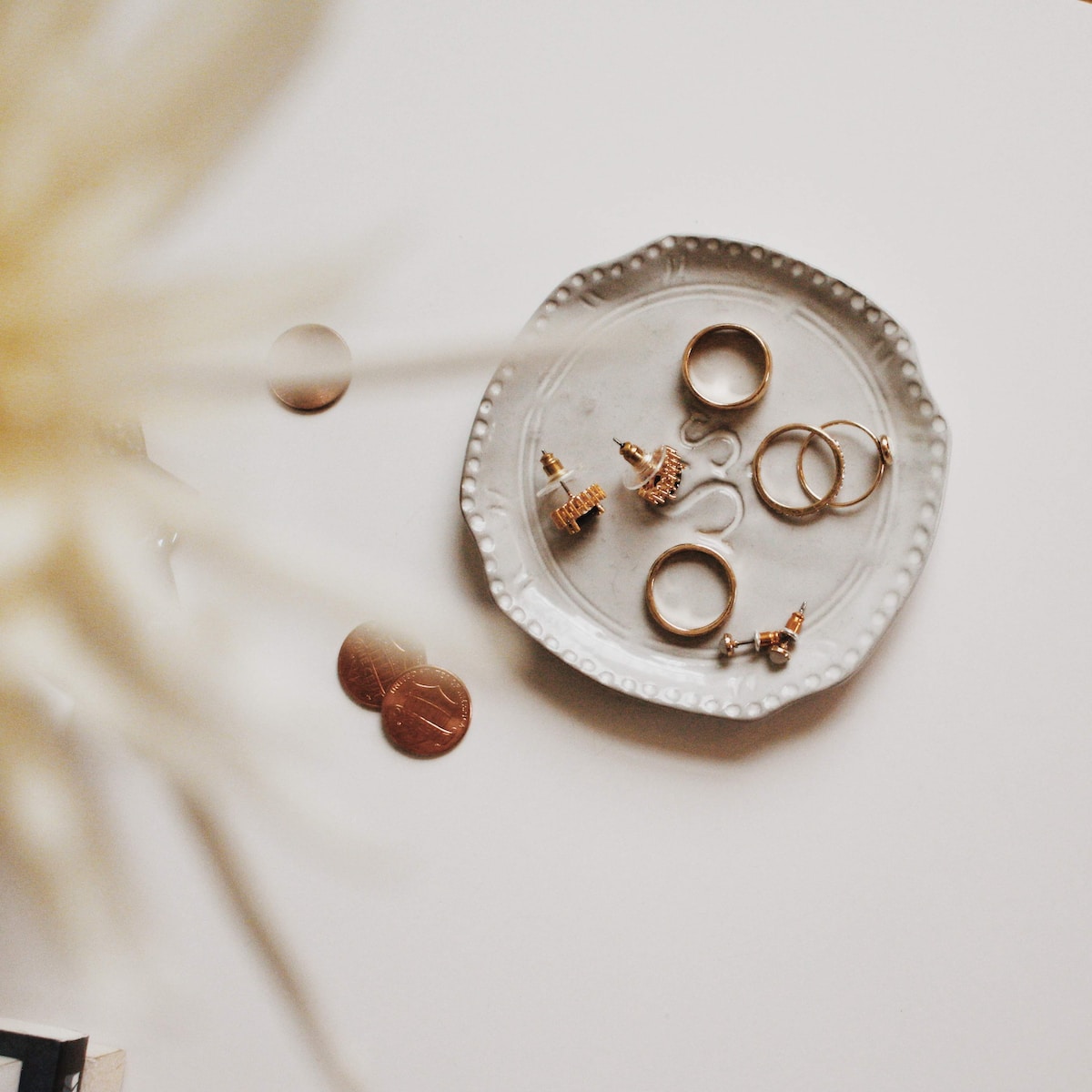
Vintage and antique jewelry has become increasingly popular in recent years, with many people seeking out unique pieces that have a historical significance. However, determining whether a piece of jewelry is vintage or antique can be a complex process that requires knowledge and expertise.
How does one identify a piece of jewelry as being vintage or antique?
What is the difference between vintage and antique jewelry?
Before we dive into how to identify vintage and antique jewelry, it’s important to understand the difference between the two. Generally, vintage jewelry is considered to be jewelry that is between 20 and 100 years old, while antique jewelry is jewelry that is over 100 years old. However, these definitions can vary depending on the source and context.
How to Identify Vintage Jewelry
There are several factors that can help you identify a piece of jewelry as being vintage, including:
Style and Design
One of the easiest ways to identify vintage jewelry is by looking at its style and design. Jewelry styles can vary greatly from decade to decade, with each era having its own distinctive look. For example, Art Deco jewelry from the 1920s and 1930s is known for its geometric shapes and bold colors, while jewelry from the 1960s and 1970s often features organic shapes and bright, psychedelic colors. By familiarizing yourself with the styles of different eras, you can better identify vintage jewelry.
Metal and Materials
The metal and materials used to create a piece of jewelry can also be a clue as to its age. For example, vintage jewelry from the 1920s and 1930s often features platinum or white gold, while jewelry from the 1940s and 1950s typically features yellow gold. Additionally, certain materials such as Bakelite, a type of early plastic, were popular in vintage jewelry from the 1930s and 1940s.
Clasps and Closures
The type of clasp or closure used on a piece of jewelry can also be a clue as to its age. For example, screw-back earrings were popular in the early 1900s, while clip-on earrings became popular in the 1930s and 1940s. Similarly, spring ring clasps were commonly used in the early 1900s, while lobster claw clasps became popular in the 1970s.
Maker’s Mark or Hallmarks
Many vintage jewelry pieces will have a maker’s mark or hallmark that can help to identify the piece’s age and origin. These marks can be found on the inside of a ring band, on the back of a brooch, or on the clasp of a necklace. By researching the maker’s mark or hallmark, you can often determine the age of the piece and the country of origin.
How to Identify Antique Jewelry
Identifying antique jewelry can be a bit more challenging than identifying vintage jewelry, as the age of the piece can make it difficult to discern certain details. However, there are several factors that can help you identify a piece of jewelry as being antique, including:
Materials and Techniques
Antique jewelry is often made using materials and techniques that are no longer used today. For example, jewelry from the Victorian era in the 1800s often features black enamel or hairwork, while jewelry from the Georgian era in the 1700s and 1800s often features foil-backed gemstones. By familiarizing yourself with the materials and techniques used in different eras, you can better identify antique jewelry.
Construction and Details
The construction and details of an antique piece of jewelry can also provide clues to its age. For example, many antique pieces were handmade, with intricate details and unique features that are not commonly seen in modern jewelry. Additionally, antique jewelry often features open-back settings for gemstones, while modern jewelry often uses closed-back settings.
Provenance and History
Finally, the provenance and history of an antique piece of jewelry can also help to identify its age. If a piece of jewelry can be traced back to a specific time period or owner, this can provide valuable information about its age and origin. Additionally, historical events and trends can also influence the styles and materials used in antique jewelry.
Conclusion
Identifying vintage and antique jewelry can be a fascinating and rewarding process, but it requires knowledge and expertise. By familiarizing yourself with the styles, materials, and techniques used in different eras, you can better identify vintage and antique jewelry pieces. It’s important to note, however, that not all jewelry pieces will have obvious or clear indications of their age, and that dating a piece accurately may require additional research or analysis. In any case, owning a piece of vintage or antique jewelry can be a unique and meaningful way to connect with history and artistry from the past.


