
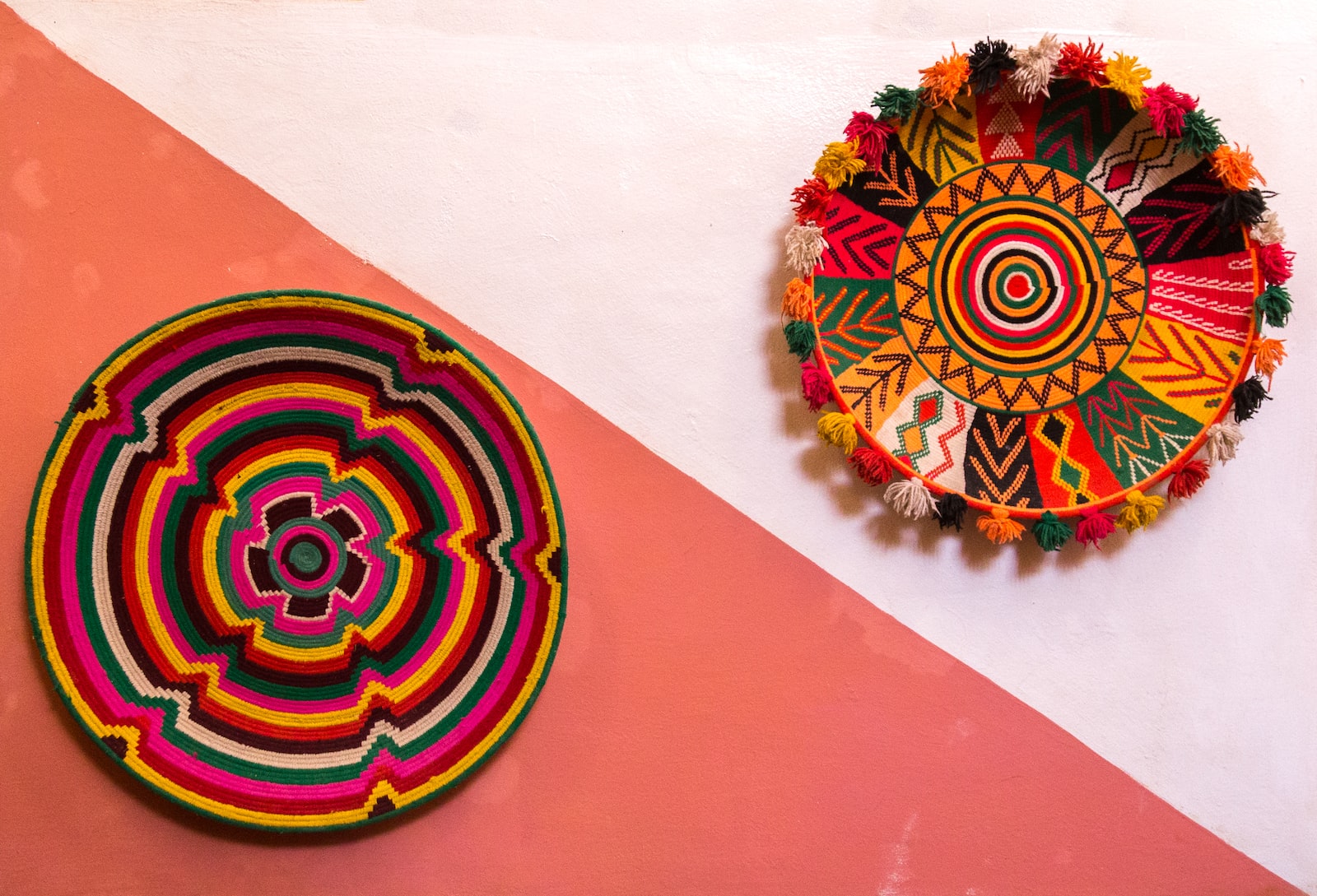
African art is rich and diverse, and it encompasses a broad range of styles, themes, and techniques. The art of Africa is as diverse as the continent itself, with each region, tribe, and culture having its unique artistic traditions. Identifying the different styles of African art can be challenging, as there are many variations, and the art forms have evolved over time. In this article, we will discuss how to identify the different styles of African art.
Identify Different Styles of African Art
Traditional African Art
Traditional African art is one of the most distinctive and recognizable styles of African art. This style of art has been passed down from generation to generation and is deeply rooted in African culture and traditions. Traditional African art often features abstract forms, bold patterns, and bright colors. It is also characterized by the use of natural materials such as wood, stone, clay, and cloth.
One of the most significant features of traditional African art is its function. In African culture, art is not created for its aesthetic value alone. Instead, art is created to serve a specific purpose, such as to communicate a message, to celebrate a ritual or ceremony, or to honor ancestors. This utilitarian aspect of traditional African art makes it easy to identify.
Another distinguishing feature of traditional African art is its symbolism. African artists often use symbolic elements such as masks, figures, and animals to convey a specific meaning or message. For example, a mask may represent a spirit or ancestor, while a figure may represent a specific person or social status.
Contemporary African Art
Contemporary African art refers to the art produced by African artists in the modern era. This style of art is characterized by its innovation, experimentation, and diversity. Contemporary African art is heavily influenced by Western art movements such as modernism, postmodernism, and conceptual art.
One of the most significant features of contemporary African art is its use of new materials and techniques. African artists are not limited to traditional materials such as wood, stone, and clay. They also use modern materials such as metal, plastic, and electronics. This blending of traditional and modern materials is a hallmark of contemporary African art.
Another feature of contemporary African art is its subject matter. While traditional African art often focused on themes such as religion, ritual, and tradition, contemporary African art explores a broader range of subjects, including politics, social issues, and identity. Contemporary African artists often use their art to comment on current events, challenge stereotypes, and explore their personal experiences.
Regional Styles of African Art
African art is not a monolithic entity, and there are many regional styles of African art. Each region of Africa has its unique artistic traditions and techniques. Here are some examples of regional styles of African art:
West African Art
West African art is characterized by its use of woodcarving, metalworking, and weaving. The art of the Yoruba people of Nigeria is one of the most well-known examples of West African art. Yoruba art is known for its intricate wood carvings, including doors, masks, and figures.
Central African Art
Central African art is known for its use of textiles and ceramics. The art of the Kuba people of the Democratic Republic of Congo is one of the most significant examples of Central African art. Kuba art features elaborate textiles, including raffia cloth, which is made from the fibers of a palm tree.
East African Art
East African art is characterized by its use of beadwork and carving. The Maasai people of Kenya and Tanzania are known for their intricate beadwork, including beaded jewelry, clothing, and headdresses. The Makonde people of Tanzania are known for their wood carvings, including masks and figurines.
Southern African Art
Southern African art is characterized by its use of ceramics, basketry, and metalworking. The art of the Ndebele people of South Africa is one of the most significant examples of Southern African art. Ndebele art features brightly colored geometric patterns, which are painted on the walls of homes and buildings.
Conclusion
African art is diverse, rich, and multifaceted. It encompasses a wide range of styles, themes, and techniques, each with its unique characteristics. Identifying the different styles of African art can be challenging, but understanding the history, culture, and symbolism behind each style can help. Traditional African art is characterized by its utilitarian function, symbolic elements, and use of natural materials. Contemporary African art is characterized by its innovation, experimentation, and diversity. Regional styles of African art, such as West African, Central African, East African, and Southern African art, each have their unique artistic traditions and techniques. By understanding the different styles of African art, we can appreciate the beauty, complexity, and cultural significance of this vibrant artistic tradition.


