
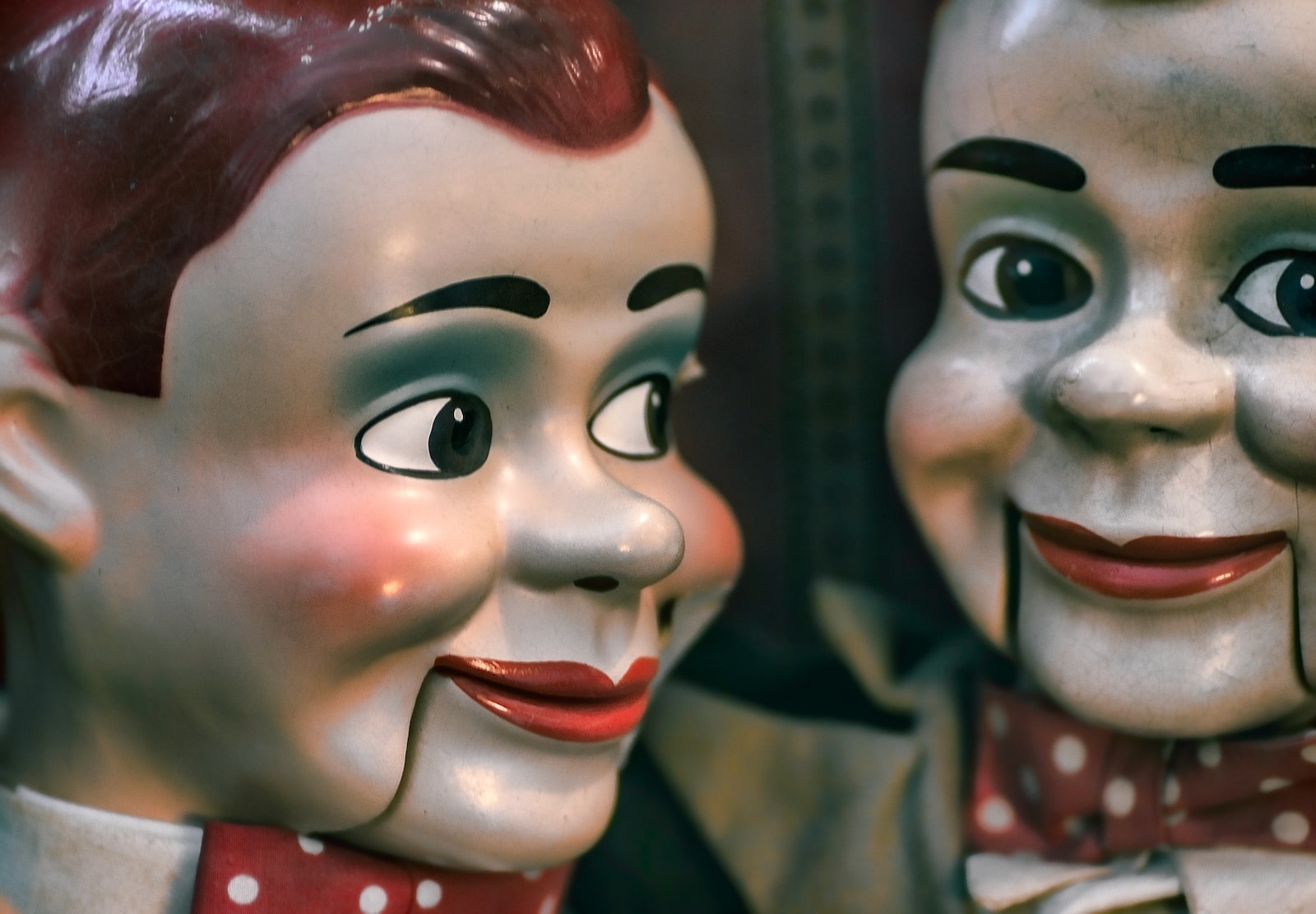
Music is an essential element of any puppet show. It adds depth, emotion, and energy to the performance, and can help to create a more immersive experience for the audience. Incorporating music into a puppet show can be a fun and rewarding experience, but it requires careful planning and consideration of the various elements involved.
- Choose the Right Music
The first step in incorporating music into a puppet show is to choose the right music. The music should be appropriate for the theme and mood of the show, and should complement the action on stage. This may include pre-recorded music, live music, or a combination of both.
When selecting music, it is important to consider the tempo, volume, and style of the music. The tempo should match the pace of the show, and the volume should be balanced with the dialogue and sound effects. The style of the music should fit the genre of the show, whether it is classical, folk, rock, or another style.
- Create a Soundtrack
Once you have selected the music, it is time to create a soundtrack for the show. This may include editing and mixing the music, adding sound effects, and syncing the music with the action on stage. The soundtrack can be created using digital audio software, such as Audacity or GarageBand, or with the help of a professional sound designer.
The soundtrack should be carefully timed to match the action on stage. This may include using different tracks for different scenes or characters, or creating a continuous score that runs throughout the show. The soundtrack should also be tested and refined during rehearsals to ensure that it enhances the performance and does not detract from it.
- Incorporate Live Music
In addition to pre-recorded music, live music can also be incorporated into a puppet show. This may include a live band, a solo musician, or even the puppeteers themselves playing instruments or singing. Live music adds an extra level of energy and excitement to the show, and can create a more immersive experience for the audience.
When incorporating live music, it is important to ensure that it complements the pre-recorded music and the action on stage. The musicians should be positioned in a way that does not obstruct the view of the audience or the movement of the puppets. The live music should also be rehearsed and refined during rehearsals to ensure that it enhances the performance.
- Use Music to Enhance Emotion
Music can be used to enhance the emotion and mood of a puppet show. This may include using music to create tension, suspense, or excitement, or to convey sadness, joy, or love. Music can also be used to highlight important moments in the show, such as the introduction of a new character or the climax of the story.
When using music to enhance emotion, it is important to be subtle and not overpower the action on stage. The music should be timed and synced with the action to create a seamless experience for the audience. The volume and tempo of the music should also be adjusted to match the emotion of the scene.
- Consider the Technical Aspects
Incorporating music into a puppet show requires consideration of the technical aspects involved. This may include the sound system, the placement of the speakers, and the timing and syncing of the music with the action on stage. It is important to test and refine these technical aspects during rehearsals to ensure that the music enhances the performance and does not detract from it.
- Make it Interactive
Finally, incorporating music into a puppet show can be a fun and interactive experience for the audience. This may include encouraging the audience to sing along or participate in the music in some way. The puppets themselves can also interact with the music, whether by playing instruments, dancing, or singing.
In conclusion, incorporating music into a puppet show is a creative and rewarding process that adds an extra layer of depth and emotion to the performance. It requires careful planning and consideration of the music selection, soundtrack creation, live music, emotional enhancement, technical aspects, and audience interaction. By following these steps, puppeteers can create a dynamic and engaging show that leaves a lasting impression on the audience.
It is also important to note that music can be an integral part of a puppet show, but it is not always necessary. Some shows may be more focused on the puppetry and storytelling, while others may rely heavily on music and dance. Ultimately, the incorporation of music should be based on the needs and goals of the particular show and its intended audience.
In addition, there are many different styles of music that can be incorporated into a puppet show, including classical, folk, pop, rock, and many more. The style of music chosen should be based on the genre and mood of the show, and should be selected with the intended audience in mind. For example, a show for young children may feature playful and catchy tunes, while a show for adults may feature more complex and emotional music.
Incorporating music into a puppet show can also be an opportunity to collaborate with musicians and other artists. This can help to create a more dynamic and diverse show, and can provide an opportunity to showcase the talents of multiple artists. Collaboration can also provide a fresh perspective and new ideas for the show, leading to a more unique and memorable performance.
In conclusion, music is an essential element of any puppet show, and its incorporation requires careful planning and consideration of the various elements involved. By choosing the right music, creating a soundtrack, incorporating live music, using music to enhance emotion, considering the technical aspects, and making the show interactive, puppeteers can create a memorable and engaging performance that resonates with the audience. Whether it is used to create tension, convey emotion, or simply to entertain, music is an integral part of the puppetry art form and can enhance the puppet show experience in many ways.


