
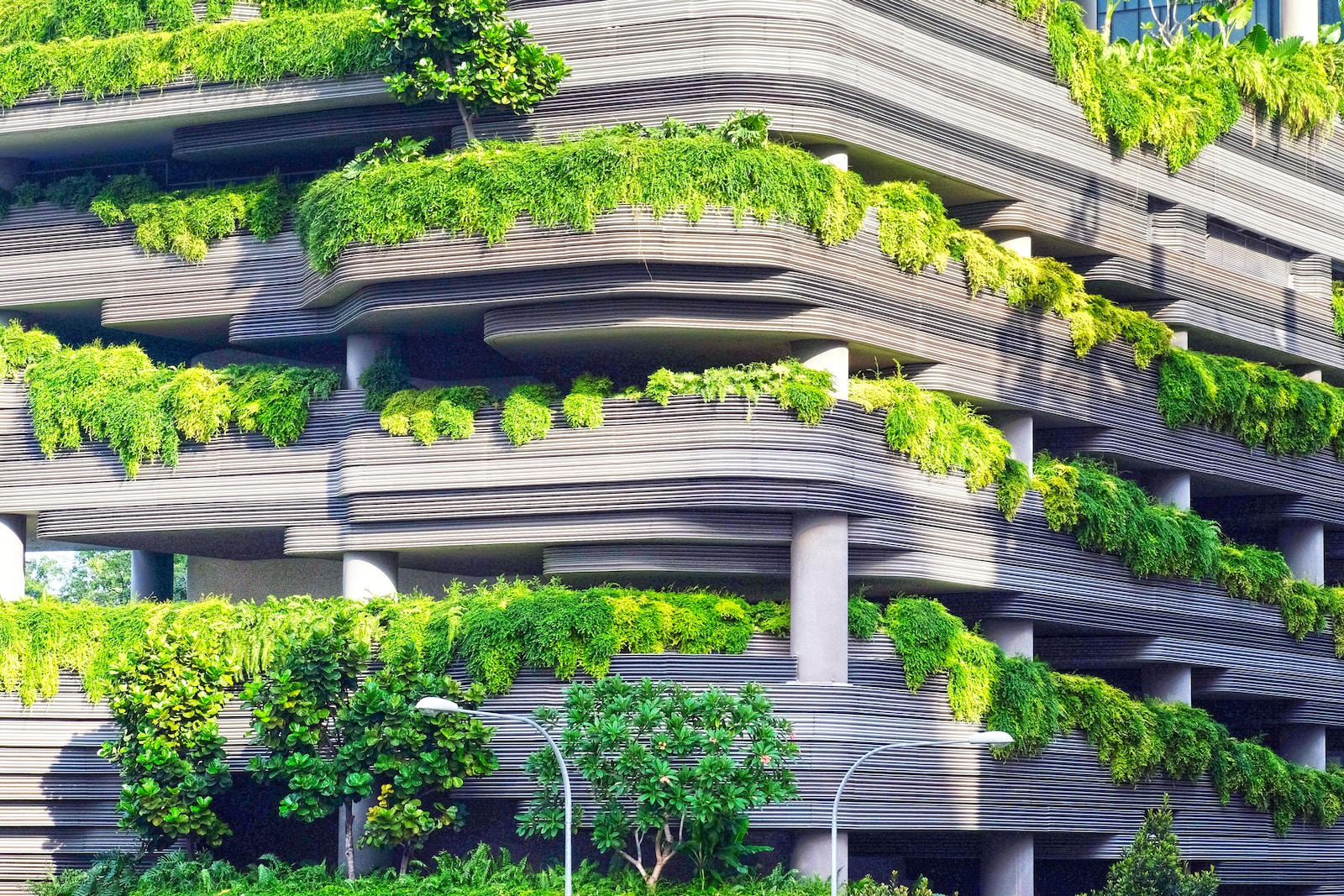
Incorporating sustainable design principles into an architectural project is becoming increasingly important as society continues to prioritize environmental sustainability. By designing buildings that are energy-efficient, use renewable resources, and reduce waste, architects can create structures that are not only environmentally responsible but also financially beneficial. Here are some key strategies for incorporating sustainable design principles into an architectural project.
Passive Design Strategies
Passive design strategies are an important aspect of sustainable design. Passive design focuses on designing buildings that take advantage of natural resources, such as sunlight and wind, to reduce energy consumption. Examples of passive design strategies include designing buildings that are oriented to maximize solar gain, using natural ventilation to cool the building, and using shading devices to block direct sunlight. By incorporating these strategies, architects can create buildings that are energy-efficient and that reduce reliance on fossil fuels.
Renewable Energy Sources
Incorporating renewable energy sources is another important aspect of sustainable design. Solar, wind, and geothermal energy are all renewable resources that can be used to power buildings. By incorporating solar panels or wind turbines into a building design, architects can create structures that generate their own power, reducing reliance on fossil fuels and reducing the overall carbon footprint. Geothermal energy can also be used to provide heating and cooling, which can reduce energy consumption and costs.
Efficient Water Management
Efficient water management is another important aspect of sustainable design. This includes strategies such as designing buildings that use low-flow fixtures, capturing and reusing rainwater, and using landscaping that requires minimal water. By reducing water consumption, architects can create buildings that are environmentally responsible and that can save money on water bills.
Use of Sustainable Materials
Using sustainable materials is another important aspect of sustainable design. This includes using materials that are renewable, recycled, or biodegradable. For example, using bamboo flooring or cork flooring is a sustainable alternative to hardwood flooring, which is often harvested from unsustainable sources. Using recycled materials, such as recycled glass or steel, can also reduce the demand for new materials and reduce waste.
Waste Reduction and Management
Reducing waste and managing waste is another important aspect of sustainable design. This includes strategies such as designing buildings that are modular and adaptable, so that they can be easily modified or repurposed. Designing buildings that can be disassembled and the materials reused can reduce waste and promote sustainability. Additionally, incorporating waste reduction strategies such as composting or using compostable materials can help reduce the amount of waste that is sent to landfills.
Life-Cycle Assessment
Conducting a life-cycle assessment is another important aspect of sustainable design. A life-cycle assessment takes into account the environmental impact of a building throughout its entire life cycle, including the manufacturing of materials, the construction process, the use of the building, and its eventual demolition or reuse. By conducting a life-cycle assessment, architects can identify opportunities to reduce the environmental impact of the building at each stage of its life cycle.
Conclusion
Incorporating sustainable design principles into an architectural project is becoming increasingly important in today’s society. By using passive design strategies, incorporating renewable energy sources, managing water efficiently, using sustainable materials, reducing waste, and conducting a life-cycle assessment, architects can create buildings that are not only environmentally responsible but also financially beneficial. Ultimately, the goal is to create buildings that are not only beautiful and functional but also sustainable and resilient. By prioritizing sustainability in architectural design, we can create a built environment that is both aesthetically pleasing and environmentally responsible, and that will serve society for generations to come.


