
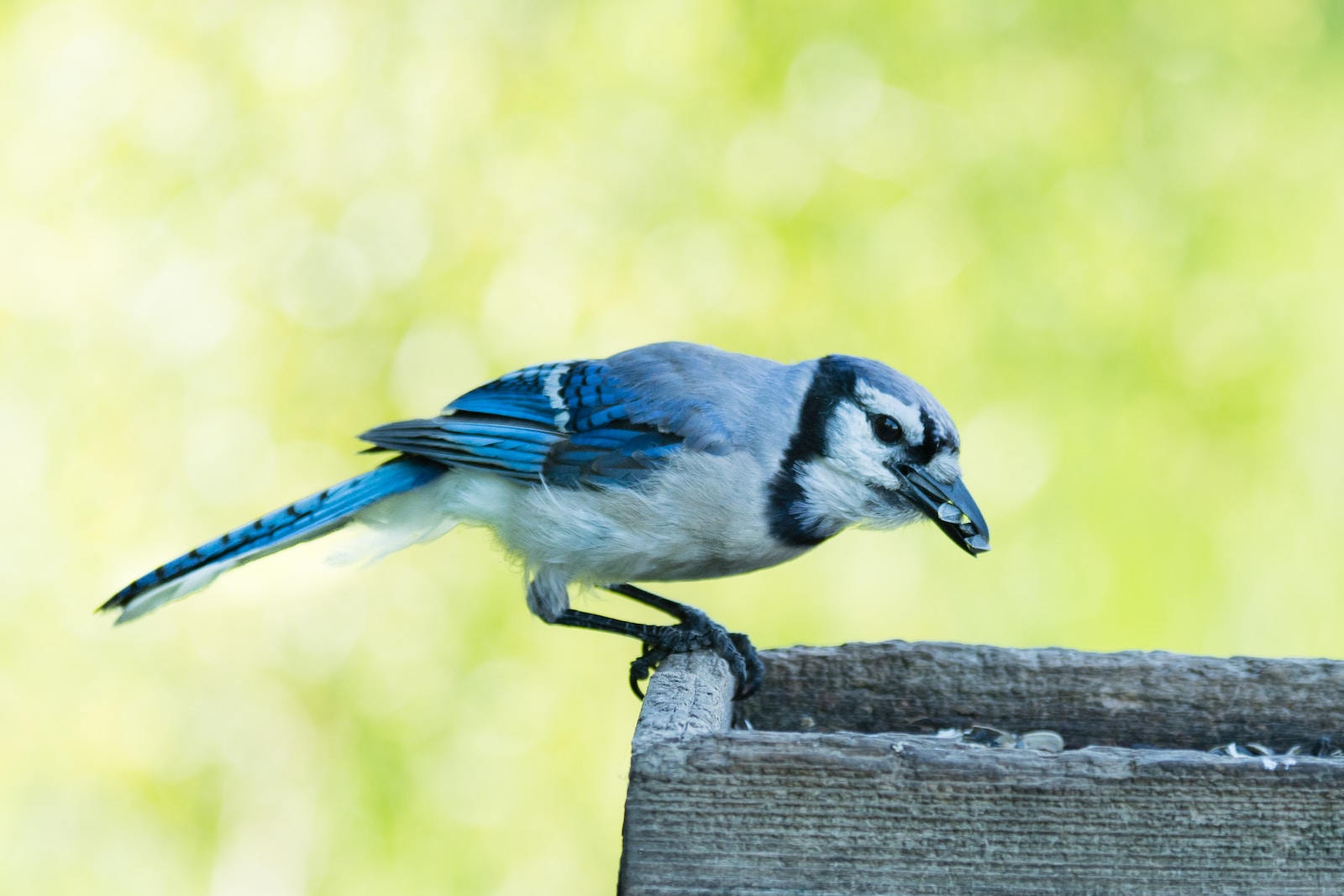
Birdwatching is not just a fun and educational hobby, but it can also be a way to contribute to conservation efforts for birds and their habitats. Birds play an essential role in the ecosystem as they help to pollinate plants, disperse seeds, and control pest populations. However, many bird populations are threatened by habitat loss, climate change, pollution, and other human activities. By participating in birdwatching and taking specific actions, birdwatchers can contribute to the conservation and protection of birds and their habitats. In this article, we will discuss some ways to contribute to conservation efforts for birds and their habitats through birdwatching.
Contribute to Conservation Efforts for Birds and their Habitats through Birdwatching
1. Participate in Citizen Science Projects
Citizen science projects involve volunteers in scientific research by collecting data and contributing to research projects. There are many citizen science projects focused on birds, such as eBird, the Christmas Bird Count, and the Great Backyard Bird Count. These projects allow birdwatchers to record their observations of bird species and share them with scientists and conservation organizations. The data collected can help to monitor bird populations, track migration patterns, and identify changes in bird behavior and distribution. By participating in citizen science projects, birdwatchers can contribute to scientific knowledge and help to inform conservation efforts.
2. Join Birding Groups and Organizations
Joining birding groups and organizations is a great way to connect with other birdwatchers and learn about conservation efforts. Many birding groups and organizations are involved in conservation projects, such as habitat restoration and bird banding. By joining these groups, birdwatchers can learn about local conservation issues and get involved in conservation projects. These groups can also provide opportunities to attend workshops, bird walks, and other educational events.
3. Support Conservation Organizations
There are many conservation organizations focused on protecting birds and their habitats. By supporting these organizations, birdwatchers can help to fund research, education, and conservation projects. Some examples of conservation organizations include the Audubon Society, the American Bird Conservancy, and the Cornell Lab of Ornithology. Donations, membership fees, and volunteering are all ways to support these organizations.
4. Birdwatch Responsibly
Birdwatchers can also contribute to conservation efforts by birdwatching responsibly. This means following ethical guidelines and avoiding activities that could harm birds or their habitats. For example, birdwatchers should avoid disturbing nests, nesting areas, and feeding areas. They should also avoid getting too close to birds or using playback calls that could disrupt bird behavior. Birdwatchers should also avoid littering and follow Leave No Trace principles when hiking or camping in bird habitats.
5. Learn About Threatened and Endangered Species
Birdwatchers can also contribute to conservation efforts by learning about threatened and endangered bird species. By learning about these species, birdwatchers can understand the threats they face and the conservation efforts underway to protect them. Some threatened and endangered bird species include the California Condor, the Northern Spotted Owl, and the Whooping Crane. Birdwatchers can also learn about the causes of endangerment, such as habitat loss, pollution, and climate change, and take action to support conservation efforts.
6. Plant Native Plants
One of the simplest ways to support bird conservation is by planting native plants in your backyard or community. Native plants are those that have evolved to grow naturally in a particular region without human intervention. These plants provide a natural habitat and food source for local bird species, as they have evolved to depend on these plants for survival. By planting native plants, you can help restore habitat for bird species that may have lost their natural habitat due to human development.
When choosing plants for your garden, it is important to consider the specific needs of the bird species you want to attract. For example, some birds may prefer nectar-producing flowers, while others prefer fruit-bearing trees or shrubs. You can also choose plants based on their bloom time, as this can help provide a constant source of food for birds throughout the year.
In addition to providing food and habitat for birds, native plants also require less maintenance and watering than non-native plants. This makes them a more sustainable choice for your garden, as they can help conserve water and reduce the need for chemical fertilizers and pesticides.
7. Participate in Citizen Science Projects
Citizen science projects are initiatives that engage members of the public in scientific research and data collection. By participating in these projects, birdwatchers can contribute to our understanding of bird populations and their habitats, which can help inform conservation efforts.
One example of a citizen science project for birdwatchers is eBird, a website and app that allows users to record and submit bird sightings to a global database. This data is used by researchers and conservationists to track bird populations and migration patterns, and to identify potential threats to bird species.
Another example of a citizen science project is the Christmas Bird Count, an annual event organized by the National Audubon Society. During this event, birdwatchers from around the world count the number of bird species they see in a designated area over a 24-hour period. This data is used to track changes in bird populations over time and to inform conservation efforts.
By participating in citizen science projects, birdwatchers can make a meaningful contribution to bird conservation while also enhancing their own birdwatching experience.
Conclusion
Birdwatching is a rewarding and fulfilling hobby that can provide a deeper appreciation for the natural world and the importance of conserving it. By taking steps to enhance your birdwatching experience, you can become a more skilled and knowledgeable birdwatcher while also contributing to bird conservation efforts.
Whether you are a beginner or an experienced birder, there are many ways to enhance your birdwatching experience and make a positive impact on the environment. From choosing the right gear and supplies to using technology and participating in citizen science projects, there are many ways to enhance your knowledge and skills as a birdwatcher while also contributing to conservation efforts.


