
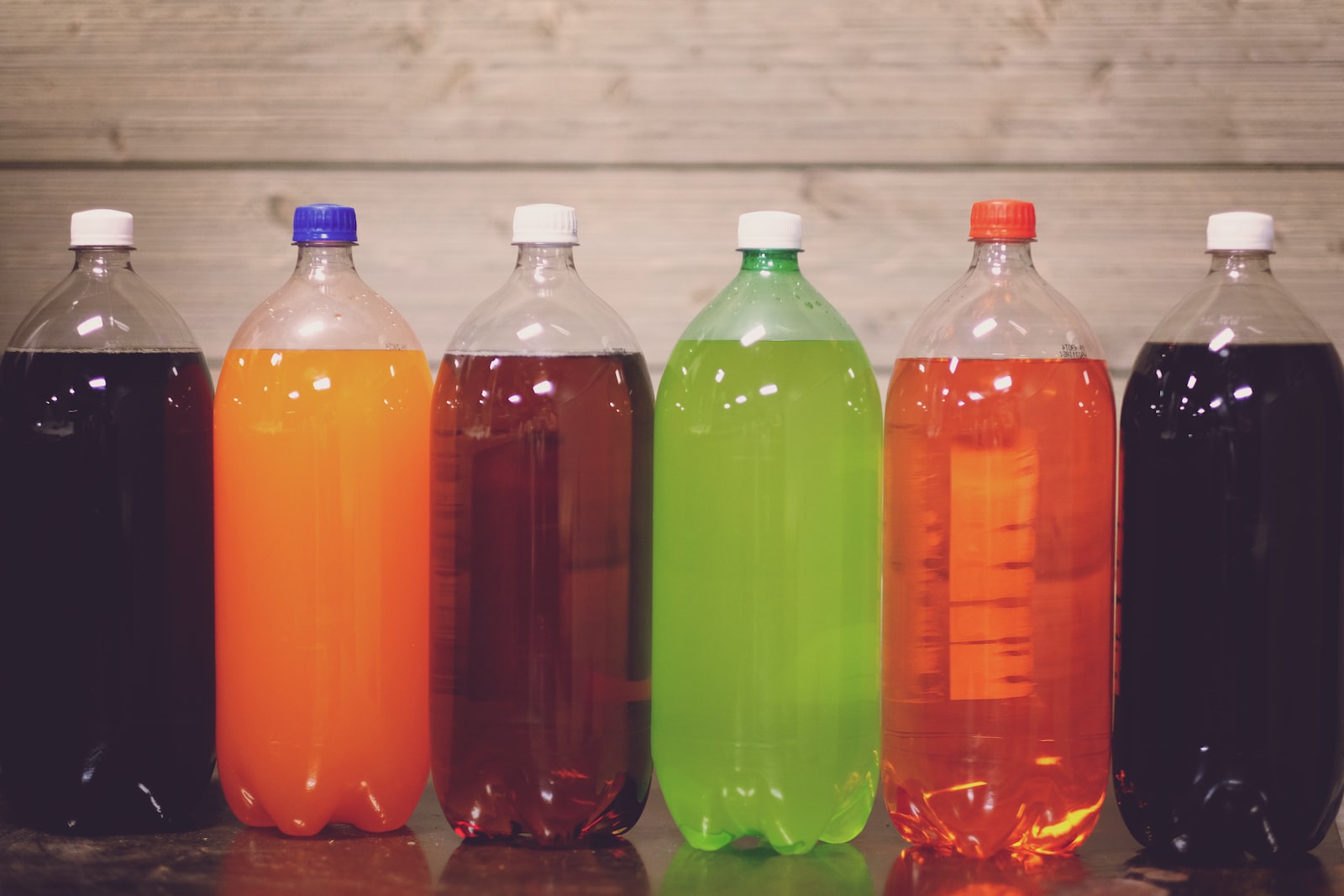
Making homemade soda can be a fun and rewarding activity, but it can also be dangerous if not done properly. One of the biggest risks when making soda at home is the potential for the bottles to explode.
Here are some tips to help you make sure your homemade soda doesn’t explode like a science experiment:
-
Use the Right Bottle
The type of bottle you use can make a big difference in whether or not your soda explodes. Avoid using glass bottles as they can break easily and cause injury. Instead, opt for plastic bottles that are designed to hold carbonated beverages. Make sure the bottles are in good condition and not cracked or damaged.
-
Don’t Overfill the Bottle
When filling your soda bottles, make sure to leave some space at the top. Overfilling the bottle can cause pressure to build up inside and increase the risk of explosion. As a general rule, leave at least 2 inches of space at the top of the bottle.
-
Use the Right Amount of Sugar
Sugar is necessary to create carbonation in homemade soda, but using too much sugar can cause the bottles to explode. Make sure to follow a recipe that uses the correct amount of sugar for the type of soda you’re making.
-
Control the Temperature
Temperature can also play a role in whether or not your soda bottles explode. Avoid exposing the bottles to extreme heat or cold, as this can cause the pressure inside to increase or decrease. It’s also important to let the soda cool to room temperature before adding it to the bottles.
-
Use a Pressure Relief Valve
A pressure relief valve can help release excess pressure from the bottle and prevent it from exploding. These valves are available at most homebrew supply stores and can be easily installed on the bottle cap.
-
Use Carbonation Drops
Carbonation drops are a convenient way to carbonate your homemade soda without risking an explosion. These drops are made of sugar and are designed to dissolve slowly in the bottle. They can be found at most homebrew supply stores.
-
Check the Carbonation Level
It’s important to check the carbonation level of your homemade soda regularly. If the soda is overcarbonated, it can increase the risk of an explosion. To check the carbonation level, gently squeeze the bottle. If it feels hard, the soda is likely overcarbonated and should be released slowly to release excess pressure.
-
Store the Bottles Properly
Storing the soda bottles properly can also help prevent explosions. Store them in a cool, dry place away from direct sunlight. It’s also a good idea to keep them in a container or box to contain any potential explosion.
In conclusion, making homemade soda can be a fun and rewarding activity, but it’s important to take safety precautions to prevent explosions. Use the right bottle, don’t overfill, control the temperature, use a pressure relief valve, use carbonation drops, check the carbonation level, and store the bottles properly. By following these tips, you can safely enjoy your homemade soda without any unexpected explosions.


