
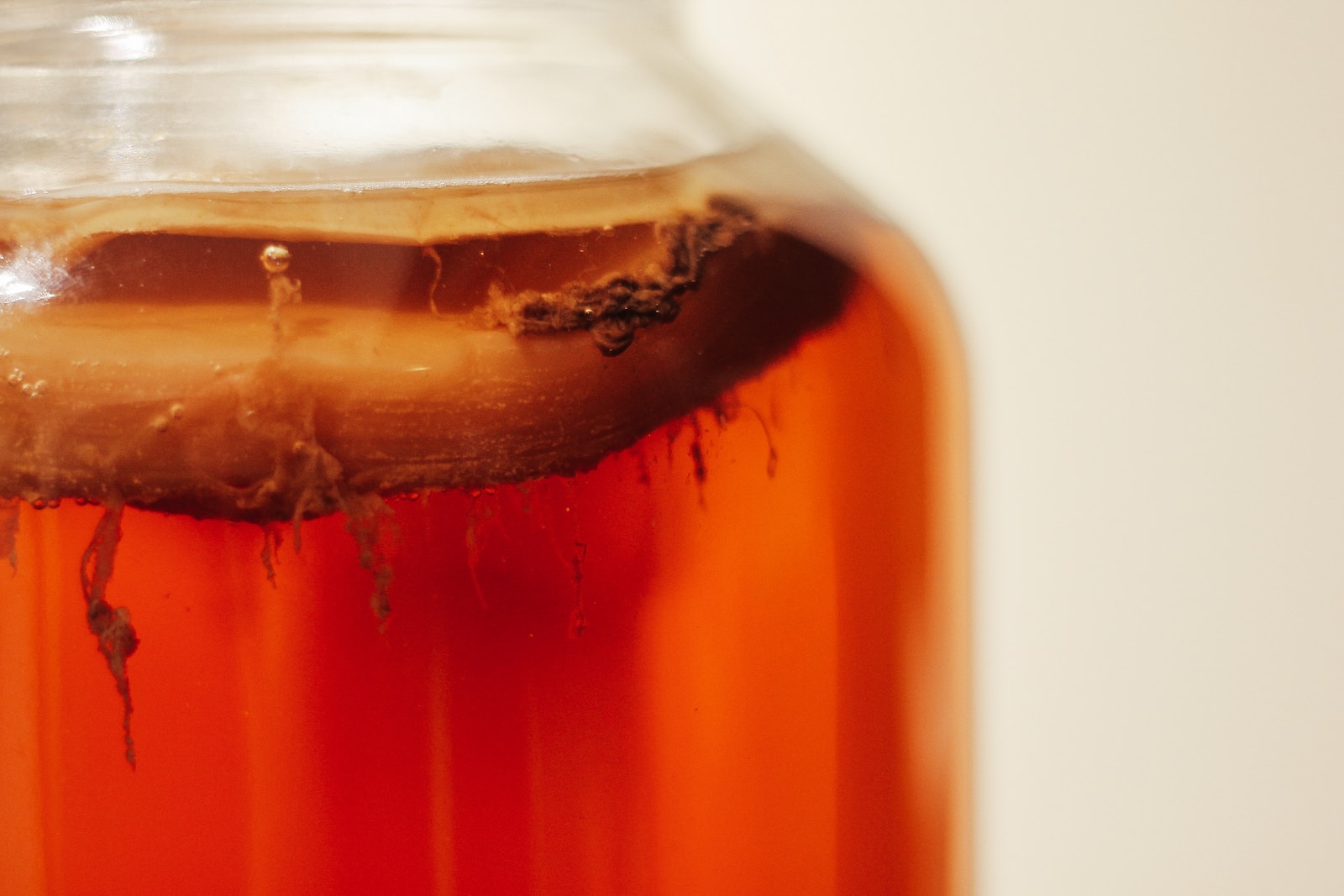
Fermentation is a crucial part of the beer brewing process that transforms wort into beer. During fermentation, yeast consumes the sugars in the wort and produces alcohol and carbon dioxide. The temperature at which fermentation occurs can have a significant impact on the flavor and aroma of the finished beer. In this article, we will discuss how to monitor and control fermentation temperature for optimal results.
Monitoring and Controlling Fermentation Temperature for Optimal Results
Why is Fermentation Temperature Important?
Fermentation temperature plays a critical role in determining the flavor and aroma of the finished beer. Yeast is sensitive to temperature and produces different flavor compounds at different temperatures. In general, cooler temperatures result in a cleaner and crisper flavor, while warmer temperatures can produce fruity and estery flavors.
Controlling fermentation temperature is especially important for certain beer styles. For example, lagers require cooler fermentation temperatures (around 45-55°F) to produce a clean and crisp flavor profile. Conversely, some ale styles benefit from warmer fermentation temperatures (around 65-75°F) to produce fruity and spicy notes.
How to Monitor Fermentation Temperature
To monitor fermentation temperature, it’s important to use a reliable and accurate thermometer. There are several options available, including digital thermometers, floating thermometers, and stick-on thermometers.
One popular option for monitoring fermentation temperature is a temperature controller. Temperature controllers are devices that allow you to set a specific temperature range and automatically adjust the temperature as needed. They typically include a heating element and a cooling element, as well as a temperature probe to monitor the temperature.
Another option for monitoring fermentation temperature is to use a temperature strip. Temperature strips are adhesive strips that attach to the outside of your fermenter and provide a visual indicator of the temperature range.
How to Control Fermentation Temperature
Controlling fermentation temperature requires careful monitoring and adjustment of the temperature. There are several methods for controlling fermentation temperature, including:
Fermentation Chamber
A fermentation chamber is a dedicated space for fermenting beer that allows you to control the temperature with precision. It can be as simple as a small refrigerator or as elaborate as a custom-built insulated chamber. A fermentation chamber allows you to maintain a consistent temperature throughout the entire fermentation process.
Swamp Cooler
A swamp cooler is a low-tech solution for controlling fermentation temperature. It involves placing the fermenter in a container of water and using a fan to circulate air over the surface of the water. As the water evaporates, it cools the air around the fermenter. Adding frozen water bottles to the water can help maintain a consistent temperature.
Cooling Jackets
Cooling jackets are insulated sleeves that fit over your fermenter and can be connected to a cooling source, such as a refrigerator or glycol chiller. They allow you to control the temperature with precision and are especially useful for larger fermentation vessels.
Heating Pads
In addition to cooling methods, it’s also important to consider heating methods for colder fermentation temperatures. Heating pads are a simple and effective way to raise the temperature of your fermenter. They can be placed under the fermenter or wrapped around it.
Other Considerations
When monitoring and controlling fermentation temperature, it’s important to consider several other factors. For example, the size of your fermenter and the amount of beer you’re fermenting can impact the rate of temperature change. It’s also important to avoid rapid temperature changes, as this can stress the yeast and impact the flavor of the finished beer.
Conclusion
In conclusion, monitoring and controlling fermentation temperature is crucial for producing high-quality beer. With the right equipment and techniques, brewers can achieve optimal results and create a consistent, delicious product. By selecting the appropriate yeast strain, monitoring and adjusting temperature, and using proper insulation and temperature control devices, brewers can achieve optimal fermentation conditions for their specific beer style. This will result in a beer that is well-attenuated, with good flavor and aroma characteristics, and free from off-flavors and other undesirable traits.
Remember to always consult your specific yeast strain’s recommended fermentation temperature range and adjust accordingly for the best results. And as with any aspect of homebrewing, practice and experimentation will ultimately lead to improved techniques and better beer. So don’t be afraid to try new methods and make adjustments as necessary to achieve the perfect fermentation temperature for your brews.


