
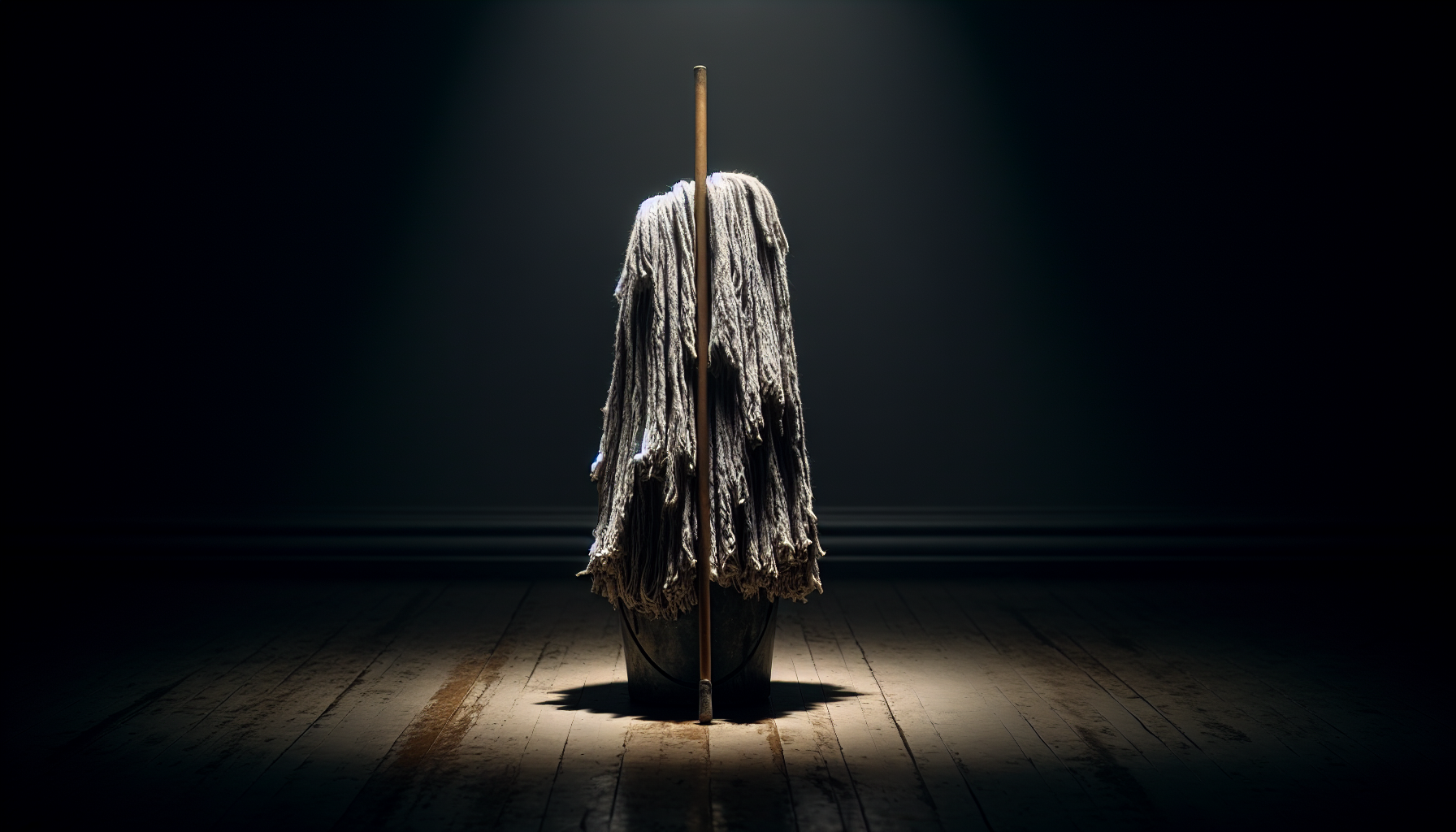
In the realm of art and philosophy, the transformation of mundane objects into pieces of artistic expression has long been a subject of intrigue and debate. Among these objects, the humble mop, often relegated to the corners of closets and seen solely as a tool for cleanliness, emerges as an unlikely candidate for artistic metamorphosis. Yet, this very act of turning an old mop into a new-age art piece can be justified through a variety of philosophical lenses, each offering unique insights into the nature of art, value, and the human experience.
The Ontology of Art: Redefining Objects
Ontology, the branch of metaphysics dealing with the nature of being, provides a foundational perspective for understanding how an old mop can be reimagined as art. Traditional views of art often prioritize materials that are inherently seen as valuable or aesthetically pleasing. However, contemporary art challenges this notion by suggesting that the essence of art lies not in the material itself but in the transformation and reinterpretation of that material.
An old mop, when viewed through an ontological lens, is stripped of its utilitarian identity and redefined as a medium of artistic expression. The act of repurposing it into art challenges the preconceived boundaries between everyday objects and objects of aesthetic value. This redefinition aligns with the theories of artists like Marcel Duchamp, whose “readymades” – ordinary objects presented as art – questioned the traditional definitions and contexts of art. By transforming a mop into art, the artist engages in a philosophical discourse on what constitutes art and its intrinsic value.
Existentialism and the Mop: Finding Meaning in the Mundane
Existentialist philosophy, particularly the works of Jean-Paul Sartre and Albert Camus, emphasizes the search for meaning in an otherwise indifferent universe. The transformation of a mop into an art piece can be seen as an existential act – a deliberate imposition of meaning onto an object that otherwise holds none beyond its practical function.
For the existentialist artist, the mop represents the absurdity of life – a banal, overlooked tool devoid of inherent significance. By repurposing it into art, the artist asserts their own existence and agency, creating meaning where there was none. This act of creation becomes a metaphor for the human condition: just as the artist infuses the mop with new significance, individuals must forge their own meanings and purposes in life, despite its inherent absurdity.
Eco-Philosophy and Upcycling: Ethical Considerations
In an era increasingly aware of environmental concerns, the philosophy of upcycling – creatively reusing discarded materials – takes on ethical dimensions. The transformation of an old mop into art can be seen as an eco-philosophical statement, aligning with the principles of sustainability and environmental stewardship.
Eco-philosophy advocates for a harmonious relationship between humans and nature, emphasizing the need to reduce waste and reimagine our consumption patterns. By turning a discarded mop into art, the artist engages in a form of ecological activism, highlighting the possibilities of reusing and repurposing materials. This act serves as a critique of consumer culture, which often values newness and disposability over sustainability. Philosophically, it challenges us to reconsider our relationship with objects and the environment, promoting a mindset of resourcefulness and creativity.
Aesthetic Philosophy: Beauty in the Unexpected
Aesthetic philosophy delves into the nature of beauty and the ways we perceive and appreciate it. Traditional aesthetics might dismiss a mop as devoid of beauty, confined to its role as a cleaning tool. However, modern and postmodern art movements have expanded the boundaries of what is considered beautiful or worthy of artistic exploration.
The philosophical justification for turning a mop into an art piece lies in the recognition of beauty in unexpected places. The textures, forms, and even the wear and tear of an old mop can be appreciated for their aesthetic qualities. This perspective is rooted in the belief that beauty is not an intrinsic property of objects but a subjective experience shaped by context and perception. By presenting the mop as art, the artist invites viewers to reconsider their notions of beauty and to find aesthetic value in the ordinary and overlooked.
The Dialogical Nature of Art: Engaging the Audience
Art, from a philosophical standpoint, is often viewed as a dialogue between the artist and the audience. This dialogical nature is crucial in understanding the transformation of a mop into an art piece. The artist’s intent, the context of the artwork, and the viewers’ interpretations all contribute to the artwork’s meaning and significance.
When an artist presents a mop as art, they initiate a conversation about the nature of creativity, the value of objects, and the boundaries of artistic expression. This act can provoke a wide range of responses, from curiosity and admiration to skepticism and critique. The philosophical justification for this transformation lies in the richness of this dialogue – the way it challenges viewers to question their assumptions and to engage with the artwork on a deeper level.
Conclusion: The Mop as a Symbol of Philosophical Inquiry
The transformation of an old mop into a new-age art piece serves as a powerful metaphor for various philosophical inquiries. It challenges traditional notions of art and beauty, explores the search for meaning in everyday life, promotes ecological responsibility, and fosters a dialogical relationship between the artist and the audience.
Through the lens of ontology, the mop is redefined as a medium of artistic expression. Existentialism frames its transformation as an assertion of human agency and the creation of meaning. Eco-philosophy highlights the ethical implications of upcycling and sustainability, while aesthetic philosophy invites us to find beauty in the mundane. Ultimately, this act of artistic transformation is a testament to the boundless creativity of the human spirit and its ability to find significance and value in even the most unexpected places.
In this way, turning an old mop into a new-age art piece is not merely an exercise in creativity but a profound philosophical statement that invites us to reconsider our perceptions and values. It reminds us that art is not confined to traditional materials or forms but is an ever-evolving dialogue that reflects the complexities and nuances of the human experience.


