
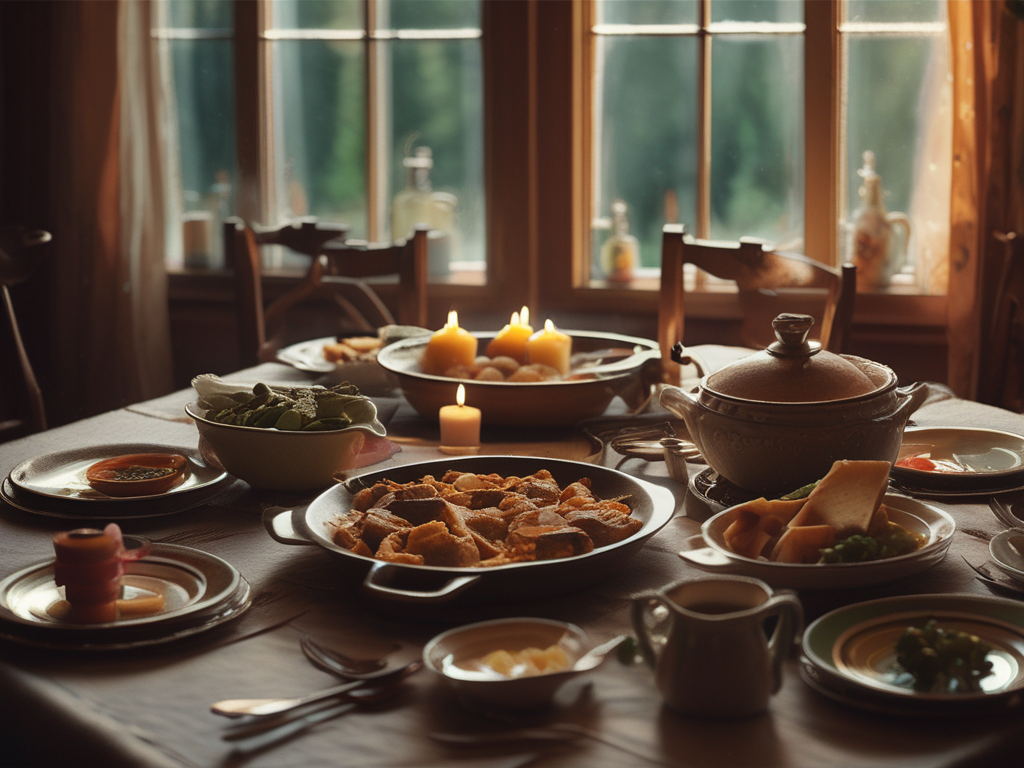
Family meals often create some of our most cherished memories. They bring everyone together, sharing laughs, love, and, of course, food. Grandmas usually play an essential role in this experience, dishing out delicious homemade meals that tell stories of tradition and care. However, when faced with a third helping of Grandma’s mystery casserole, it can be tricky to refuse without feelings of guilt or awkwardness. So, how can you politely decline without hurting her feelings?
Understanding Grandma’s Intentions
To navigate this delicate situation, it’s important to understand what’s driving Grandma’s insistence on serving you more food.
The Emotional Context
For Grandma, food often represents more than just sustenance. It’s a way of showing love and care. Rejecting a third helping may feel like rejecting her affection. This emotional context explains why declining can feel like an act of ingratitude, even when you’re simply too full to eat another bite.
Tactful Ways to Politely Decline
You’ve savored every bite of Grandma’s casserole, but your stomach just can’t accommodate another serving. Here are some strategies for declining her offer without causing hurt feelings.
Using Humor to Lighten the Situation
Humor can be a great tool. Light-hearted remarks like, “Grandma, if I eat one more bite, I might just roll out of here!” can convey your fullness while keeping the mood cheerful.
Expressing Gratitude
Make sure to express genuine thanks. Say something like, “Grandma, your casserole is amazing. I’m so full, but I can’t wait to enjoy the leftovers tomorrow.” Compliments and gratitude show appreciation for her effort without making her feel rejected.
Alternative Suggestions
When declining more food, you can offer alternatives that keep the appreciation alive.
Offering to Take Home Leftovers
Suggest taking some leftovers home. This way, Grandma knows her food won’t go to waste and you get to enjoy it later. Say, “Can I take some home? I’d love to savor it again tomorrow.”
Asking for a Smaller Portion
If a complete refusal feels too harsh, ask for a much smaller serving. “Could you give me just a tiny bit more? It’s so delicious, but I’m almost full.”
Making Future Plans
Discussing future meals can also help. “Grandma, your casserole is so good. Let’s plan a dinner next week so I can enjoy it again.”
Cultural Considerations
Different cultures have unique food-sharing norms, and understanding these can help you navigate family meals more smoothly.
Family Dynamics
Family roles affect how your refusal is perceived. Parents may emphasize manners, siblings might tease, but Grandma likely focuses on care and wellbeing. Being aware of these dynamics helps you respond more thoughtfully.
Conclusion
Declining a third helping of Grandma’s mystery casserole might feel awkward, but understanding her intentions and showing appreciation can make all the difference. Tactful humor, gratitude, and suggesting alternatives ensure you maintain love and respect. With empathy and thoughtfulness, you can enjoy those cherished family meals without overstuffing. Family bonds thrive on love and respect, even in the face of a delicious but too-filling casserole.


