
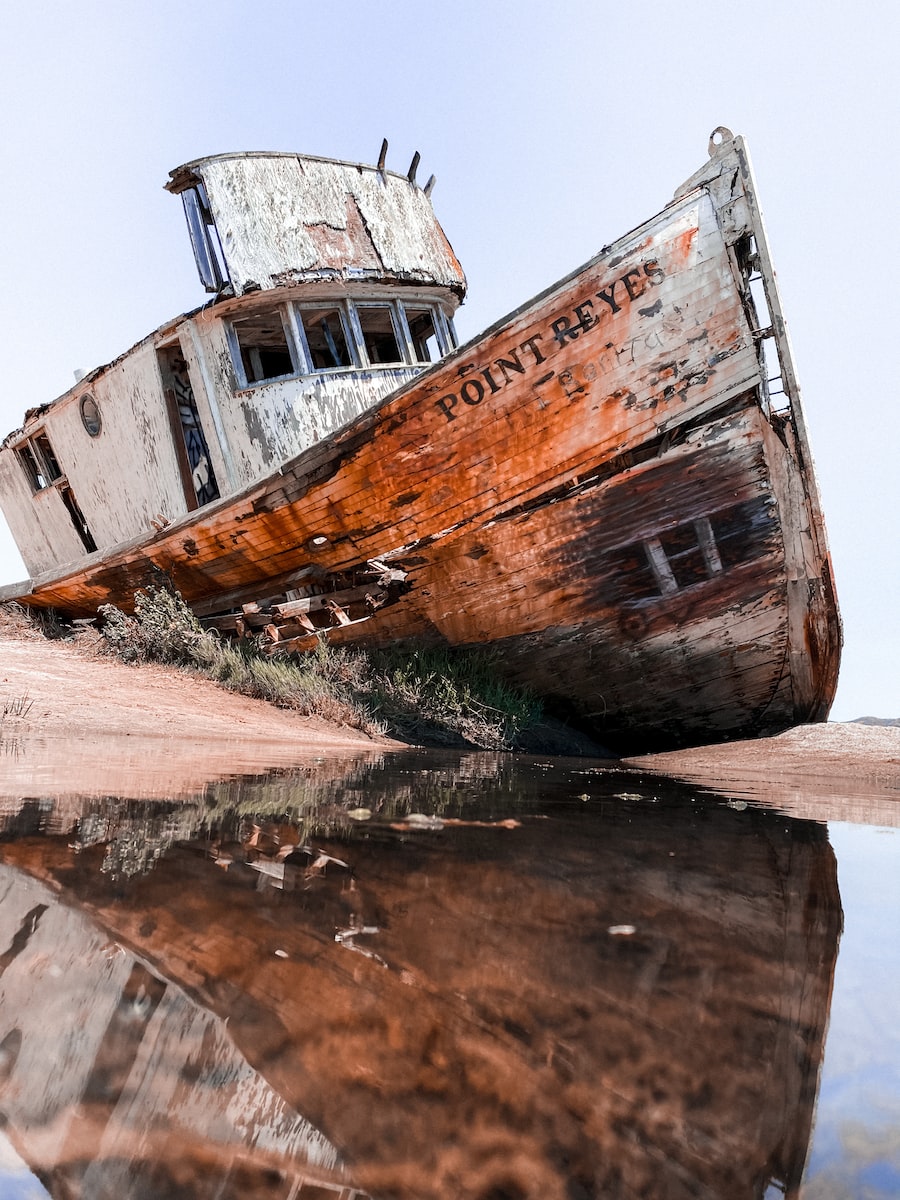
Wooden ships have been a staple of maritime transport for centuries. However, one of the biggest challenges of owning and operating a wooden ship is preventing damage from marine organisms, such as shipworms. Shipworms are a type of marine mollusk that bore into wooden structures, causing extensive damage over time. In this article, we will explore some of the methods used to prevent shipworm damage to wooden ships.
How to Prevent Shipworms from Damaging a Wooden Ship
What Are Shipworms?
Shipworms are a type of marine bivalve mollusk that bore into wooden structures. They are often referred to as “termites of the sea” due to their destructive feeding habits. Shipworms can cause significant damage to wooden ships, including weakening the hull and compromising the structural integrity of the vessel.
Methods for Preventing Shipworm Damage
There are several methods that can be used to prevent shipworm damage to wooden ships. These methods include:
Anti-Fouling Paint
One of the most common methods for preventing shipworm damage is by applying anti-fouling paint to the hull of the ship. Anti-fouling paint is designed to deter marine organisms, such as shipworms, from attaching to the hull and boring into the wood. The paint contains biocides that are toxic to these organisms and prevent them from establishing a foothold on the hull.
Copper Sheathing
Copper sheathing is another method used to prevent shipworm damage. Copper is toxic to marine organisms, including shipworms, and can prevent them from boring into the wooden hull of the ship. Copper sheathing involves applying thin sheets of copper to the hull of the ship, creating a protective barrier that prevents shipworms from gaining access to the wood.
Chemical Treatments
Chemical treatments are another option for preventing shipworm damage. These treatments involve applying chemicals to the hull of the ship that are toxic to shipworms and other marine organisms. Chemical treatments can be effective in preventing shipworm damage, but they can also be expensive and can have negative environmental impacts.
Wood Selection
Another method for preventing shipworm damage is by selecting the right type of wood for the construction of the ship. Some types of wood are more resistant to shipworms than others. For example, teak and oak are both highly resistant to shipworms and can be good choices for wooden ships.
Dry Docking
Dry docking is a method used to prevent shipworm damage by removing the ship from the water and exposing the hull to air. Shipworms require a moist environment to survive and cannot bore into dry wood. Dry docking allows the hull to dry out, which can prevent shipworm damage and also provide an opportunity to inspect and repair any damage that has already occurred.
Conclusion
Preventing shipworm damage is an important part of maintaining a wooden ship. There are several methods that can be used to prevent shipworm damage, including anti-fouling paint, copper sheathing, chemical treatments, wood selection, and dry docking. By using these methods, shipowners can help to protect their vessels from the destructive effects of shipworms and extend the life of their wooden ships.


