
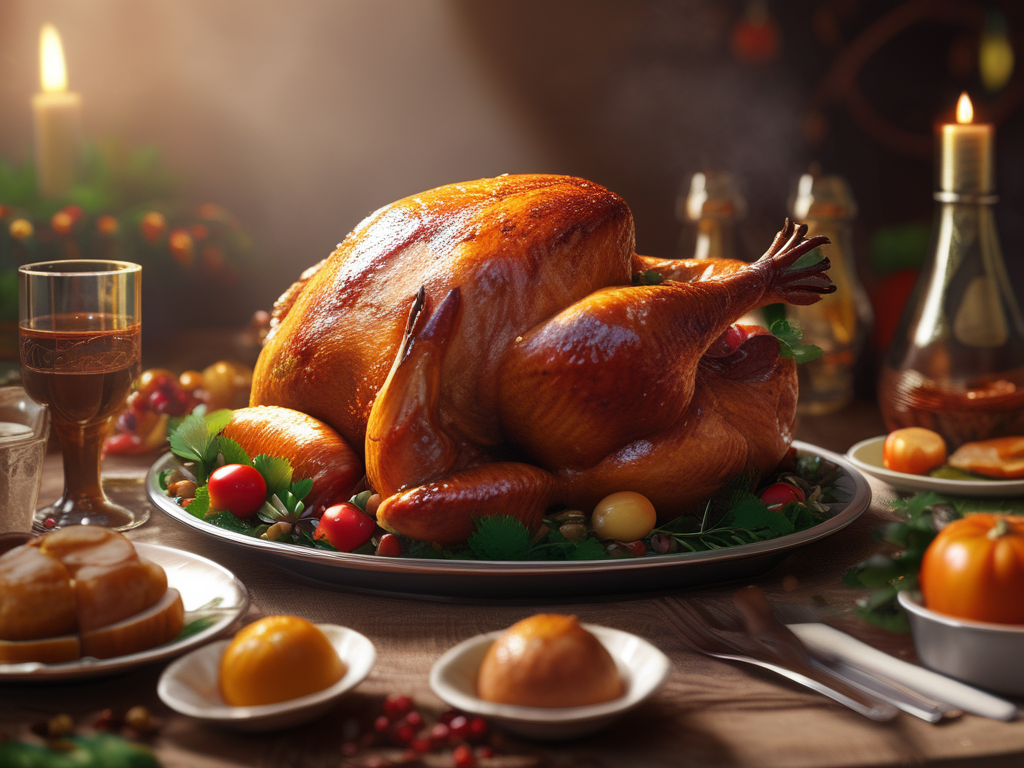
The holiday season brings family, joy, and of course, the centerpiece of the meal – the turkey. Nothing deflates holiday cheer faster than presenting a burnt, dry bird. But how can you ensure your holiday turkey isn’t more suited for a Viking funeral than a dinner table? Let’s dive into some tips and tricks to avoid a holiday disaster.
Choosing the Right Turkey
The foundation of a delicious, moist turkey starts with selecting the right bird.
Fresh vs. Frozen Turkey
Wondering if you should buy a fresh or frozen turkey? Here’s the scoop:
- Fresh Turkeys: These are pricier but often have better flavor and texture. They also save you the hassle of thawing.
- Frozen Turkeys: More budget-friendly, but consider the thawing process. A 12-pound turkey can take 3-4 days to thaw in the fridge. Plan accordingly to avoid last-minute panic.
Selecting the Proper Size
Choosing the right size turkey is crucial. Follow this simple rule of thumb:
- Plan for 1 to 1.5 pounds of turkey per guest. For a small gathering of 8 people, a 12-pound turkey is sufficient. Bigger crowds may require a second bird or a larger turkey.
Preparing the Turkey
Proper preparation ensures your turkey stays juicy and flavorful.
Brining for Juiciness
Brining adds moisture and flavor. Here’s a basic brine recipe:
- Ingredients: 1 cup kosher salt, 1 cup sugar, 1 gallon water, and optional aromatics like garlic, herbs, and spices.
- Method: Dissolve salt and sugar in water. Add aromatics. Submerge turkey and refrigerate for 12-24 hours. Rinse and pat dry before cooking.
Seasoning Techniques
Seasoning is key to a flavorful turkey:
- Rubs: Create a mixture of salt, pepper, garlic powder, paprika, and any other favorite spices. Rub generously inside and out.
- Marinades: Marinades add complexity but be careful with sugar content, which can burn. Try a herb-infused olive oil or citrus-based marinade.
Cooking Methods to Prevent Burning
Different cooking methods can help achieve a beautifully cooked turkey.
Oven Roasting Tips
Oven roasting is a classic method. Follow these tips:
- Temperature: Preheat oven to 325°F. Roast until internal temperature reaches 165°F.
- Tools: Use a roasting pan with a rack to allow even heat distribution. Cover the breast with foil to prevent burning.
- Timing: Estimate 15 minutes per pound. Baste occasionally with pan juices or melted butter to keep the meat moist.
Alternative Cooking Methods
Sometimes traditional roasting isn’t enough. Here are some alternatives:
- Deep Frying: Cooks quickly and creates crispy skin. Needs a large pot and thermometer. Be careful of oil splatters and fire hazards.
- Smoking: Adds a rich, smoky flavor. Low and slow for several hours.
- Slow Cooking: Another low and slow method, ideal for producing tender meat, but can lack the crispy skin of other methods.
Monitoring the Cooking Process
Keeping a close eye on your turkey as it cooks can prevent mishaps.
Using a Meat Thermometer
A meat thermometer is your best ally:
- Insert into the thickest part of the breast and thigh, avoiding bone. Look for 165°F.
- Instant-read thermometers give quick and accurate readings.
Visual Cues for Doneness
Beyond temperature, your turkey should show these signs:
- Juices: Run clear when the thigh is pierced.
- Skin: Golden brown with no burnt spots, indicating an even cook.
Conclusion
Creating the perfect holiday turkey takes a bit of planning and attention to detail. Choose a quality bird, prepare it well, and monitor the cooking process. With these tips, you’ll avoid the dreaded burnt offering and instead present a succulent, golden masterpiece. Enjoy the process and share your success with loved ones – after all, that’s what the holiday spirit is all about. Happy cooking!


