
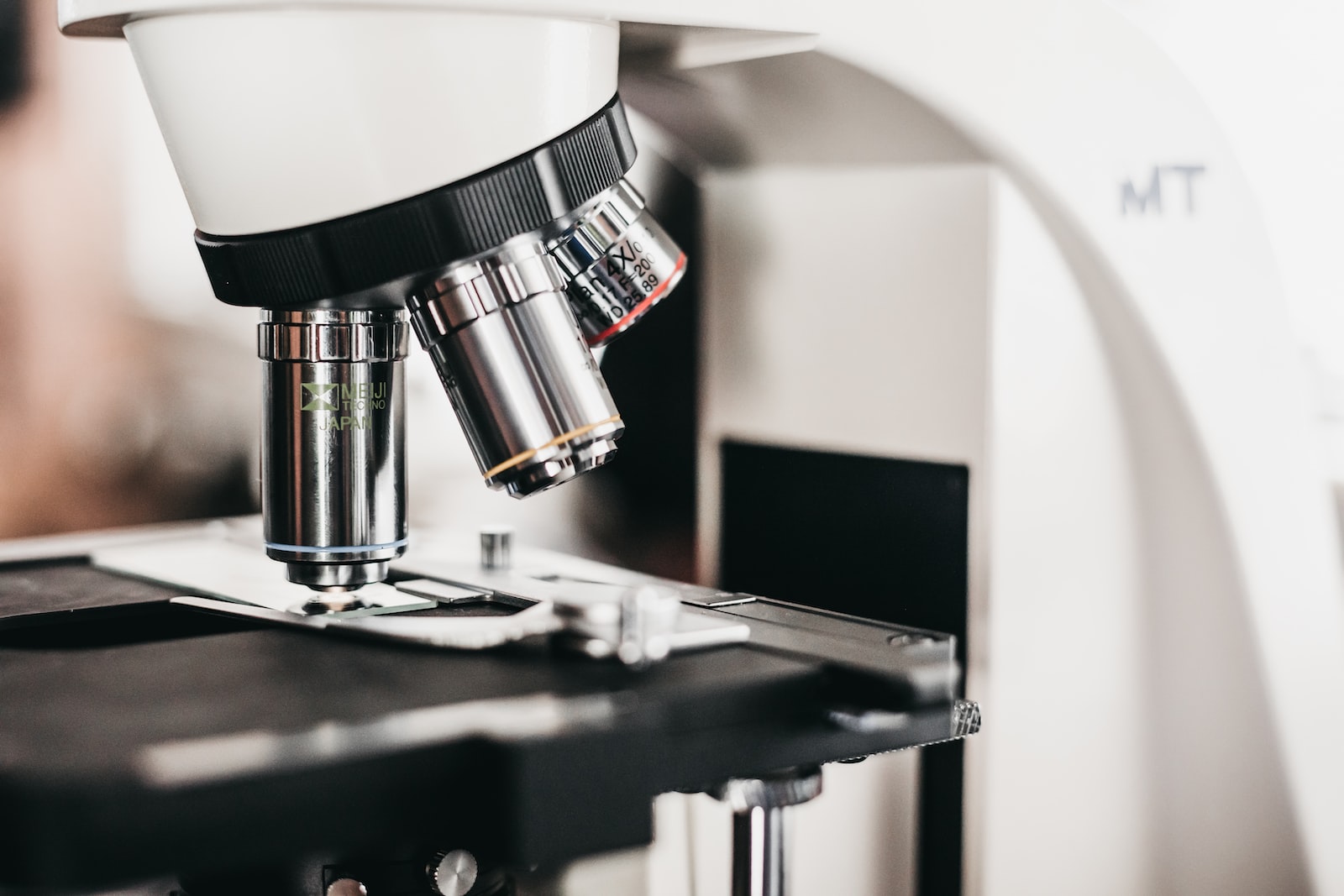
Preparing a microscope slide is a crucial step for any microscopic observation. The quality of the sample on the slide directly affects the quality of the image observed under the microscope.
Here are the steps for preparing a microscope slide properly:
Step 1: Choosing the Sample
The first step is to select an appropriate sample to observe under the microscope. The sample can be anything from cells, tissue, bacteria, or any other specimen. If the sample is solid, it needs to be sliced thinly, and if it is liquid, it needs to be placed as a drop or smear onto the slide. The sample should be as clean as possible and free from any dust, debris, or other contaminants. The sample should also be thin enough to allow the light to pass through easily.
Step 2: Cleaning the Slide
The slide used for observation should be cleaned before placing the sample. This ensures that there is no dirt, dust, or other debris that can obstruct the view of the specimen. To clean the slide, use a clean piece of cloth or tissue paper, and gently wipe the slide to remove any debris.
Step 3: Placing the Sample
After the slide is cleaned, place the sample on it. If the sample is liquid, use a pipette to add a small drop on the slide. Spread the sample gently using a toothpick or a needle to create a thin layer. For a solid sample, cut a thin slice and place it in the center of the slide. Add a small drop of water or any other liquid to moisten the sample. Spread the sample thinly and evenly.
Step 4: Covering the Sample with a Cover Slip
After the sample is placed on the slide, it should be covered with a cover slip. The cover slip protects the sample from contamination, prevents it from drying out, and flattens the sample for easier observation. A cover slip is a small, thin piece of glass or plastic that is placed on top of the sample. To place the cover slip, hold it at an angle and place one edge on the slide, touching the sample. Slowly lower the cover slip until it is flat on the slide, being careful not to create any air bubbles. Air bubbles can distort the image and obstruct the view of the sample. Once the cover slip is in place, use a fine-tipped instrument to remove any air bubbles that may have formed.
Step 5: Labeling the Slide
To keep track of the sample and any relevant information, it is important to label the slide. Label the slide with the name of the specimen, the date, and any other relevant information.
Additional Tips
Here are some additional tips to keep in mind when preparing a microscope slide:
- Use a clean pipette or dropper when placing the sample on the slide to prevent contamination.
- Be gentle when spreading the sample and avoid pressing too hard on the sample to prevent damage or distortion.
- Use a cover slip that is slightly larger than the sample to prevent air bubbles from forming.
- Store the slide in a slide box to protect it from dust and debris.
Conclusion
Properly preparing a microscope slide is an essential step for any microscopic observation. By following these steps and tips, you can ensure that your samples are prepared correctly and that you obtain high-quality images under the microscope.


