
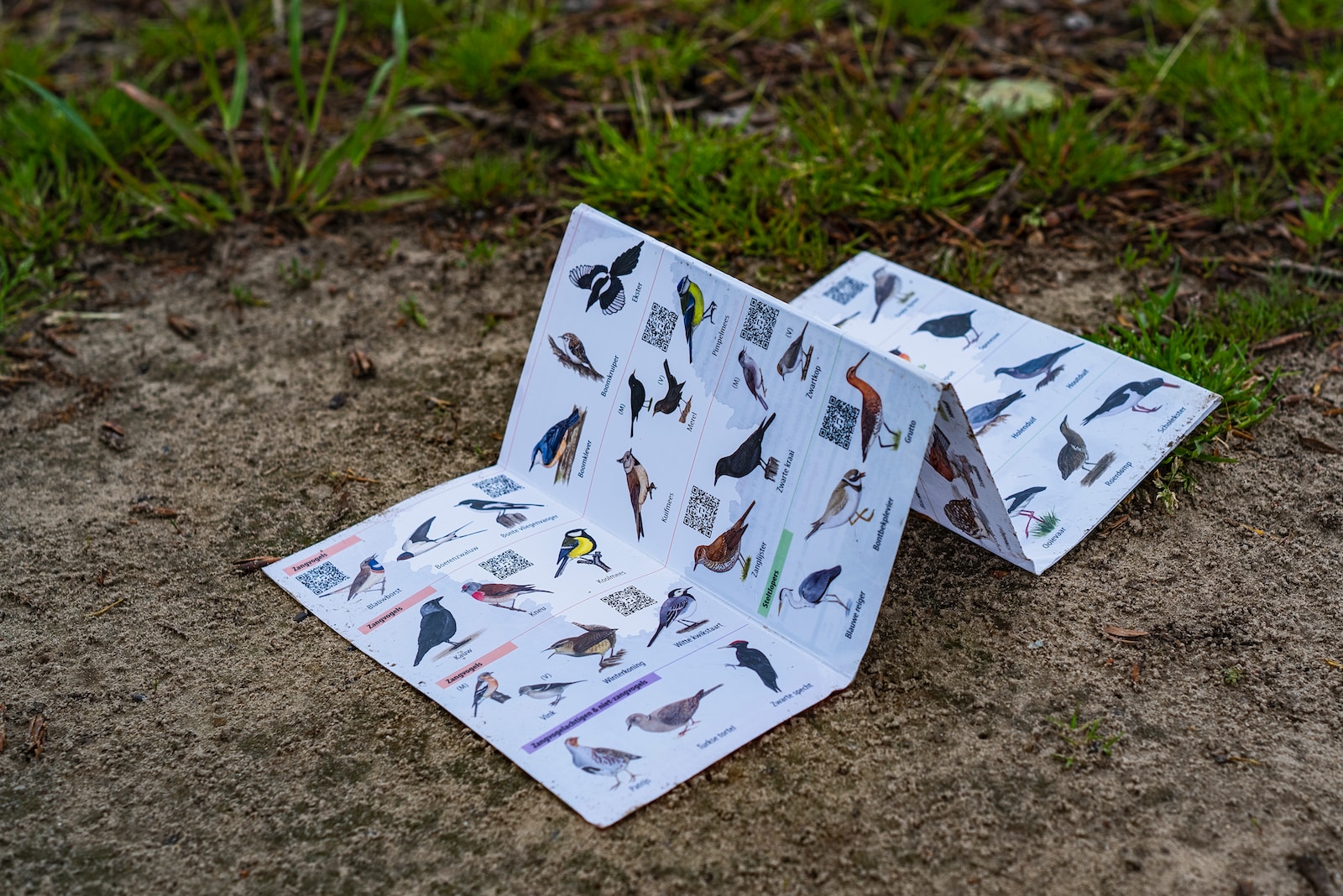
Birdwatching is a popular hobby for people of all ages and backgrounds. Whether you’re a seasoned birdwatcher or a beginner, a good birdwatching field guide is an essential tool for identifying different species of birds. However, knowing how to use a birdwatching field guide can be daunting at first. In this article, we’ll provide some tips on how to read a birdwatching field guide effectively.
Read a Birdwatching Field Guide
Understanding the Layout
The first step in reading a birdwatching field guide is understanding the layout. Most field guides are organized in a similar manner, with each page featuring one or more bird species. The bird’s common name is usually listed at the top of the page, along with a picture or illustration of the bird.
Below the bird’s name, you’ll usually find information about the bird’s size, habitat, and range. This information can be useful when trying to identify a bird, as it can help narrow down the list of possible species.
The main body of the page is usually devoted to the bird’s physical characteristics and behaviors. This section may include a description of the bird’s plumage, bill shape, and wing shape. It may also provide information about the bird’s behavior, such as its flight pattern or feeding habits.
At the bottom of the page, you’ll often find additional information, such as the bird’s scientific name, conservation status, and a map showing its range.
Using the Index
Another important aspect of reading a birdwatching field guide is knowing how to use the index. Most field guides will have an index in the back of the book, which lists all of the bird species included in the guide.
The index can be especially helpful if you’re not sure what kind of bird you’re looking at. Simply look up the characteristics of the bird you observed, such as its size, habitat, and color, and the index will provide a list of possible matches.
Understanding Bird Names
Understanding the scientific names of birds can also be helpful when using a field guide. Scientific names are based on a system of binomial nomenclature, which uses two names to identify each species. The first name is the genus, and the second name is the species.
For example, the scientific name for the Bald Eagle is Haliaeetus leucocephalus. Haliaeetus is the genus, and leucocephalus is the species. Scientific names can be helpful because they provide a universal way of identifying a species, regardless of language barriers or regional variations in common names.
Using Illustrations
Illustrations can be incredibly helpful when trying to identify birds in the field. Most field guides will feature illustrations or photographs of each bird species, which can be used to compare and contrast different species.
When using illustrations, it’s important to pay attention to the details. Look for differences in bill shape, plumage color and pattern, and wing shape. Pay attention to the bird’s posture, as this can also be helpful in identifying the species.
Conclusion
Reading a birdwatching field guide can be a bit overwhelming at first, but with practice, it becomes easier. Understanding the layout of the guide, using the index, and paying attention to the details can all help you identify different bird species. With a little bit of patience and persistence, you’ll be able to use your field guide to identify birds in the field with confidence.


