
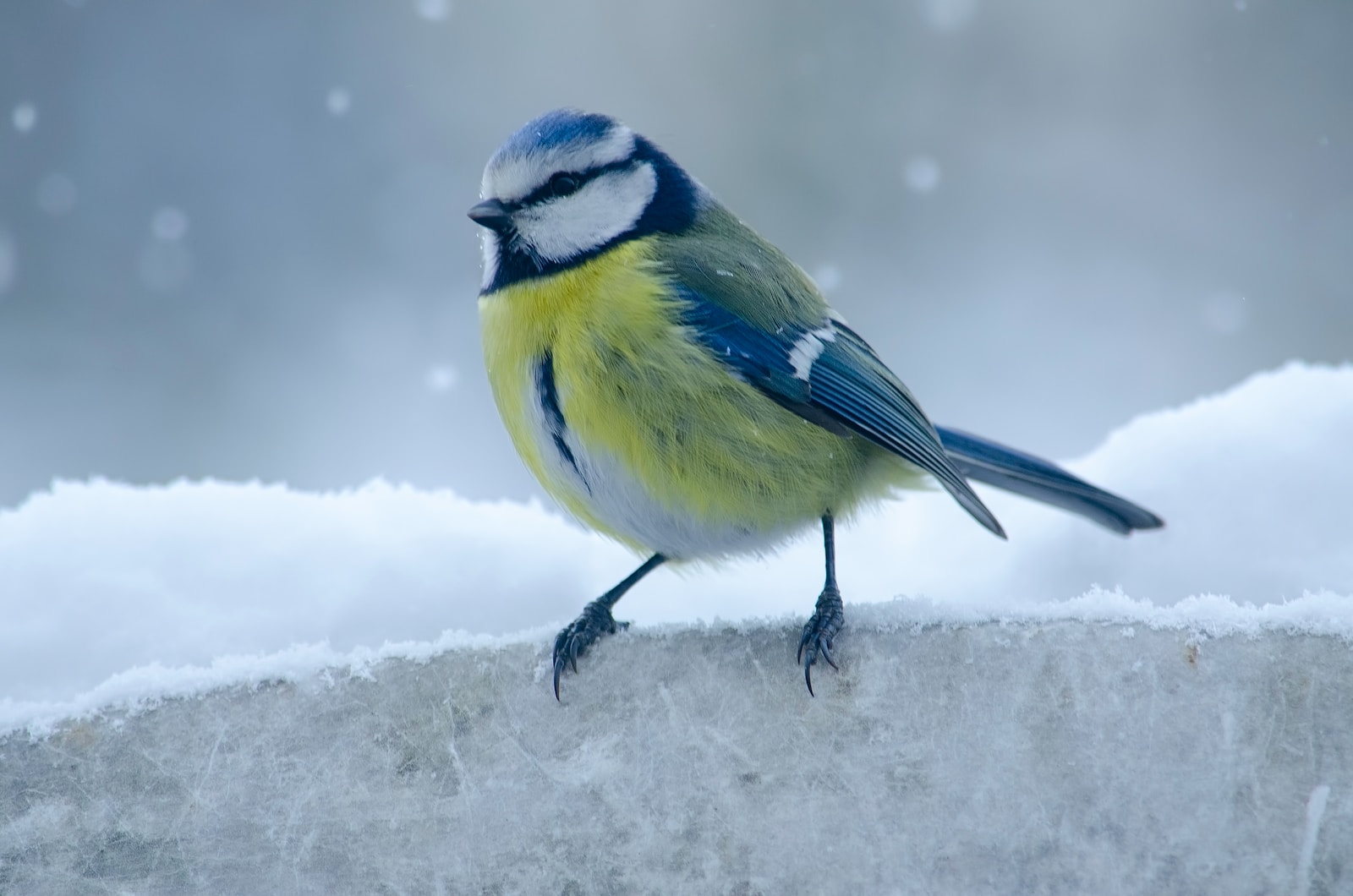
Understanding bird behavior can be a valuable tool for birdwatchers to identify and learn more about the birds they are observing. By paying attention to certain behaviors, birdwatchers can often gain insight into a bird’s feeding habits, social structure, territorial behavior, and much more. In this article, we will discuss how to recognize bird behavior and interpret what it means.
Recognize Bird Behavior and Interpret What It Means
Observing Bird Behavior
The first step in recognizing bird behavior is to observe the birds themselves. This requires patience, a keen eye, and a willingness to be still and quiet. Some behaviors may be obvious and easy to recognize, while others may be more subtle and require closer attention.
Here are some tips for observing bird behavior:
- Choose a good observation spot: Find a spot where you can observe birds without disturbing them. A quiet corner of your backyard, a secluded park bench, or a hidden trail in a nature preserve are all good options.
- Use binoculars: Binoculars can help you observe birds from a distance without getting too close and disturbing them.
- Watch and listen: Pay attention to the bird’s movements, sounds, and interactions with other birds. Take notes if necessary.
- Be patient: Some behaviors may take a while to observe, so be patient and allow the birds to behave naturally.
Common Bird Behaviors
Once you are observing birds, you can start to recognize common bird behaviors and what they mean. Here are some examples:
- Feeding Behavior: Birds have different feeding habits, depending on their species and the environment they are in. For example, some birds may use their beaks to probe for insects in the ground, while others may catch insects in mid-air.
- Vocalizations: Birds use a wide variety of vocalizations to communicate with each other. Some vocalizations are used for territorial defense, while others are used to attract mates or warn of danger.
- Nesting: Birds build nests to lay their eggs and raise their young. Different species have different nesting habits, such as building nests on the ground or in trees.
- Territorial Behavior: Many bird species are territorial and will defend their feeding and nesting areas from other birds. This behavior can manifest in aggressive displays and vocalizations.
Interpreting Bird Behavior
Interpreting bird behavior can be a bit more challenging than simply observing it. It requires knowledge of bird species, their habits, and the environment they live in. Here are some tips for interpreting bird behavior:
- Research the species: Learn as much as you can about the species you are observing. Read field guides, watch documentaries, and join birdwatching groups to gain more knowledge.
- Consider the environment: Birds’ behavior is often influenced by the environment they are in. For example, some species may migrate to different areas during different seasons, while others may change their behavior in response to changing weather patterns.
- Observe patterns: Look for patterns in the bird’s behavior over time. This can help you make connections between their behavior and other factors, such as the time of day or the season.
- Consider context: Interpretation of bird behavior often requires considering the broader context of the observation. For example, a bird that is aggressively defending its territory may be doing so because it is protecting its nest or young.
Conclusion
In conclusion, recognizing bird behavior and interpreting what it means can be a valuable tool for birdwatchers. By observing common behaviors and interpreting them in context, birdwatchers can gain insight into a bird’s habits, social structure, and much more. So grab your binoculars and head out into nature to start observing bird behavior today!


