
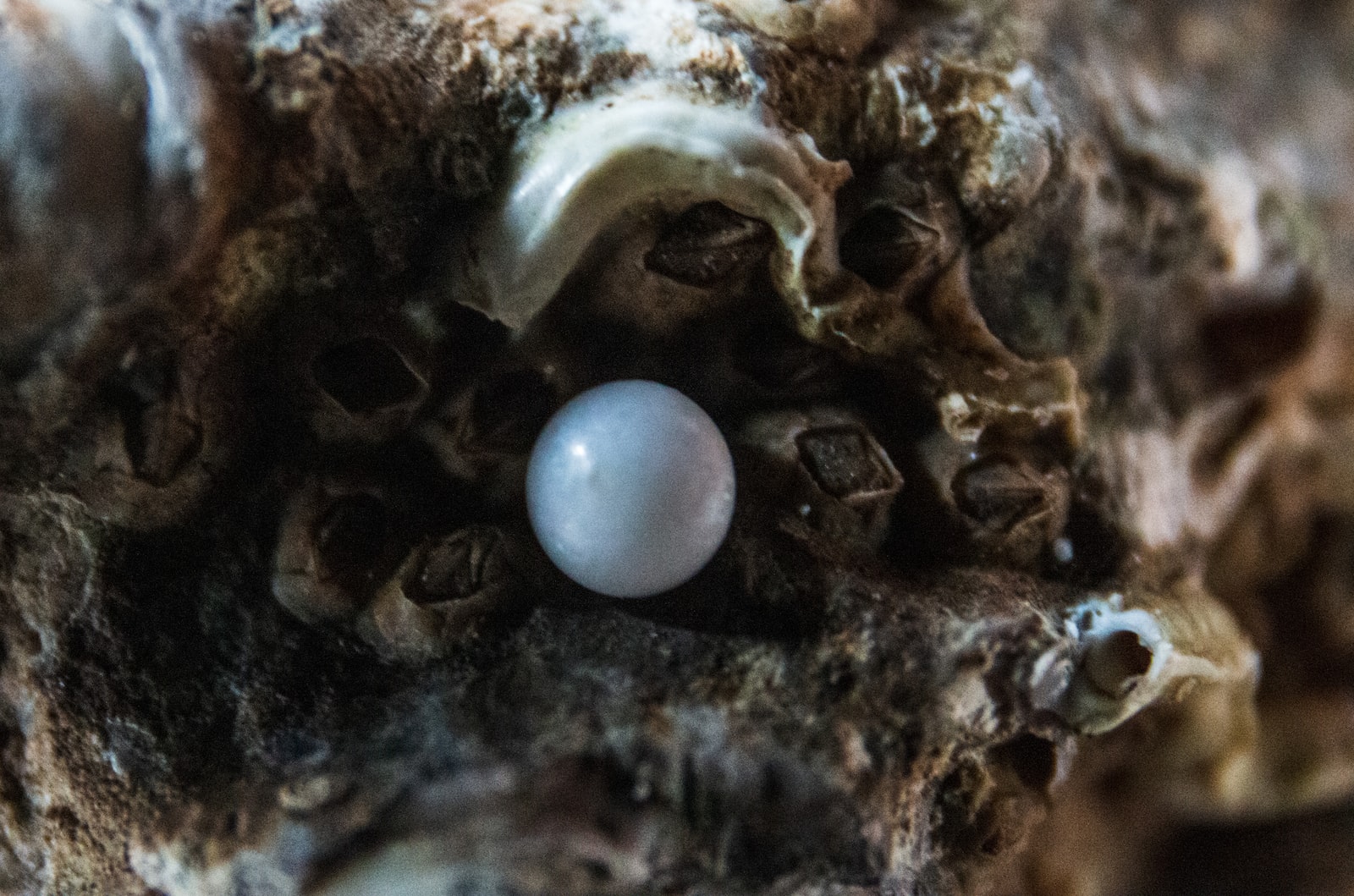
Turning rocks into pearls might sound impossible, but it’s a beautiful metaphor inspired by nature. Pearls start forming when an irritant, like a grain of sand, slips inside an oyster. To protect itself, the oyster coats the irritant with layers of nacre, slowly transforming it into a gleaming pearl. This ancient process is as much about persistence as it is about creating beauty from discomfort. In this post, we’ll break down the natural transformation that connects these seemingly unrelated objects in a way that feels almost magical.
Understanding Pearls and Their Formation
Pearls are nature’s way of turning irritation into beauty. These treasures, often hailed as the jewels of the sea, are not just charming but also fascinating in how they form. To grasp their true wonder, we need to break the process down step by step.
What is a Pearl?
A pearl is a hard, lustrous gem formed inside the tissue of certain mollusks, most commonly oysters and mussels. They’re unique because they’re one of the few organic gemstones, meaning they’re produced by living organisms. Pearls come in two main types:
- Natural Pearls: These form without human intervention. An irritant, such as a parasite, accidentally gets lodged in the mollusk, prompting it to form a pearl. Natural pearls are rare and highly prized.
- Cultured Pearls: These are created through human assistance. A small bead or tissue is intentionally placed into the mollusk to start the pearl-making process. Cultured pearls make up the majority of pearls sold today because they’re more accessible.
For a better understanding, see this deep dive into types and origins of pearls here.
The Irritant Factor
At the heart of every pearl lies a tiny annoyance. This can be a grain of sand, but more often, it’s a parasite or a small piece of debris. When this intruder enters the mollusk’s shell and agitates its soft inner tissue, the mollusk responds defensively. Much like how humans might cover a sharp object to make it less painful, the mollusk creates a protective barrier around the irritant.
This defensive mechanism begins the magic. Slowly but surely, layers of a substance called nacre are secreted, encapsulating the irritant and transforming it over time into a pearl. For more on this fascinating interaction between mollusks and irritants, check out this detailed explanation here.
Nacre and Its Role
Nacre, often referred to as “mother of pearl,” is the key ingredient in a pearl’s creation. It’s a smooth, shell-like material made of calcium carbonate and conchiolin, giving pearls their signature sheen and durability. When layers of nacre stack up over weeks, months, or even years, the pearl takes on its rounded, lustrous form.
This process is slow, but every layer of nacre adds depth and character to the final result. Its iridescent property is what makes pearls shimmer beautifully under light. If you’d like to further understand nacre and how it contributes to a pearl’s luster, explore more here.
By piecing together the roles of irritants, nacre, and the mollusk’s natural defense mechanisms, it’s easy to see how turning rocks—or irritants—into pearls is both a scientific marvel and a poetic reminder of nature’s resilience.
The Process of Pearl Formation
Pearl formation begins as a chance encounter and ends with a beautiful result, all thanks to the mollusk’s survival instinct. Let’s break down how these precious gems are naturally cultivated step by step.
Initial Irritation
The pearl-making process starts with an unexpected intrusion. Typically, an irritant, such as a grain of sand, parasite, or debris, finds its way into the delicate tissue of a mollusk. This unwelcome guest disrupts the mollusk’s soft interior, triggering a defensive response.
Think of this irritant like a splinter in our own finger — an annoying little thing that needs to be dealt with. The mollusk can’t eject the irritant, so instead, it protects itself by isolating it. This is where the magic begins. By covering the irritant, the mollusk effectively “packages” the problem and sets the stage for a pearl to form. For more on this fascinating biological response, read how mollusks react to irritants.
Layering of Nacre
Once the irritant is in place, the mollusk secretes a smooth, iridescent material called nacre or “mother of pearl.” Nacre is made of calcium carbonate (the same compound found in chalk) and a type of protein called conchiolin. Together, these components form the mollusk’s shell and are key to its protection.
The mollusk doesn’t stop with one layer. Over days, weeks, and even years, it continues to coat the irritant with nacre. Each thin layer adds luster and strength, transforming the irritant into a pearl. This meticulous layering is what gives pearls their unmistakable shimmer and smooth roundness. Dive deeper into the science behind nacre here.
Time and Growth
Patience is essential in the creation of pearls. Depending on factors like the mollusk type and environmental conditions, pearl formation can take anywhere from a few months to several years.
For natural pearls, this timeline is even more unpredictable, as it depends on when and if a suitable irritant enters the mollusk. Cultured pearls, on the other hand, are more consistent, as humans intentionally introduce the irritant to guide the process.
The time spent growing a pearl isn’t just about the number of nacre layers; it’s also about developing its shape, size, and color. A perfect pearl is truly a product of time and persistence, much like any beautiful outcome in nature. Discover more about this gradual yet precise pearl-making journey here.
The process of turning rocks—or in this case, irritants—into pearls is nothing short of extraordinary. It’s a testament to how nature finds solutions in the smallest of challenges, crafting beauty out of necessity.
From Nature to Nurture: Cultured Pearls
Cultured pearls are the result of human ingenuity working in harmony with nature. Unlike natural pearls, which form by chance, cultured pearls are intentionally created. This process begins by introducing a small irritant into the mollusk. Over time, the mollusk’s natural defenses coat the irritant with layers of nacre, just as it would in nature. Let’s dive into the methods used by modern pearl farmers and how they affect the final product.
The Culturing Process: Detail the methods used by pearl farmers to cultivate pearls.

Photo by cottonbro studio.
Creating cultured pearls begins with a delicate and skillful process. It mostly involves “grafting,” a surgical procedure where pearl farmers deliberately insert a nucleus or piece of mantle tissue into the mollusk. This step acts as the catalyst for nacre secretion.
Here are the primary stages:
- Selection and Conditioning: Farmers choose healthy oysters or mussels and nurture them in controlled environments to prepare them for grafting. This could take several months.
- Grafting Procedure: A small, round bead made from mother-of-pearl or a bit of donor tissue is gently introduced into the mollusk’s soft tissue using precision tools. The survival and acceptance of the implant largely depend on the grafter’s expertise.
- Culturing Period: Once the mollusks are returned to the water, they’re closely monitored and cared for. The mollusks secrete layers of nacre over the nucleus, slowly creating a pearl. The process can last anywhere from 6 months to several years, depending on the desired pearl size and quality.
- Harvesting: After sufficient time has passed, the pearls are carefully harvested. Skilled hands are crucial to extracting pearls without harming the mollusks, many of which can be reused for future culturing.
If you’re curious about the intricate grafting process, dive deeper into the steps of pearl farming here.
Impact on Pearl Quality: Discuss how the culturing process influences the quality and characteristics of the pearls produced.
The culturing process profoundly impacts the attributes of the pearls produced. Since every step in the process is carefully managed, pearl farmers have a significant influence over factors like size, shape, luster, and color. However, the quality of a cultured pearl still depends on a mix of human skill and the mollusk’s natural activity.
Factors That Shape Quality:
- Luster and Nacre Thickness: The amount of time given for nacre layering directly correlates to the pearl’s shine and durability. Longer culturing periods often result in thicker nacre, enhancing quality. Research shows that pearls cultured for extended periods tend to have higher luster and depth, as noted here.
- Shape and Symmetry: Uneven nacre deposition can lead to irregularly shaped pearls, which may appeal to certain tastes but are less valued in traditional markets.
- Color and Overtone: The choice of mollusk species and environmental conditions (like water temperature and mineral content) influence the pearl’s color spectrum, adding an extra layer of uniqueness.
On the flip side, mass production and rushed harvesting can lead to pearls with thinner nacre layers, making them less durable and less visually appealing. While advances in culturing techniques have made pearls more accessible, they’ve also introduced variations in quality. Producers who prioritize craftsmanship and patience yield pearls that truly mirror the beauty of natural formations.
Can cultured pearls match the mystique of their natural cousins? While the debate continues, there’s no denying the allure they bring as nature and nurture combine.
The Beauty and Value of Pearls
Pearls are treasures of the natural world, celebrated for their elegance and uniqueness. They are often symbols of sophistication and wealth, yet remain as accessible as they are extraordinary. Their charm stems from a blend of aesthetic allure and fascinating rarity, making each pearl a tiny masterpiece. Below, we explore what sets pearls apart and why they’re a prized possession both visually and economically.
Aesthetic Qualities of Pearls

Photo by Arif Khan.
At first glance, pearls capture attention with their iridescent glow and soft, alluring luster. Unlike other gemstones, pearls shimmer with a spectrum of light, creating what experts often refer to as their “orient.” This delicate visual effect is caused by nacre, the microscopic layers of calcium carbonate that coat the pearl’s core.
But not all pearls are the same. Their beauty depends on several factors:
- Luster: The way light reflects off a pearl’s surface determines its brilliance and depth. A high-quality pearl should exhibit sharp and bright reflections.
- Surface Quality: Flawless pearls with minimal blemishes are much more desirable. Imperfections, though natural, can make pearls feel less polished to the eye.
- Shape: While perfectly round pearls are considered the pinnacle of elegance, irregular shapes known as baroque pearls intrigue collectors with their uniqueness.
- Color: Pearls come in a range of hues, from classic white and cream to black, gold, pink, and lavender. The subtle undertones, or overtones, like rose or silver, further enhance their visual appeal. For more on pearl characteristics, check out this in-depth guide here.
What makes pearls so enchanting is their organic origin, offering a soft, natural glow that stands apart from the faceted brilliance of other gemstones. Much like snowflakes, no two pearls are ever truly identical, which adds to the poetic beauty of owning them.
Market Value and Rarity
The value of pearls is anchored in their rarity and desirability. Natural pearls, formed without human intervention, are incredibly scarce, making them some of the most expensive gems in the world. In contrast, cultured pearls—created through human-guided processes—dominate the market and offer more accessible price points.
Several factors influence their market value:
- Type: Wild pearls are worth significantly more than their cultured counterparts. A classic strand of natural pearls can fetch thousands of dollars, while freshwater cultured pearls might range from affordable to premium, depending on quality. Learn more on this value guide.
- Size: Larger pearls, especially those over 10mm, tend to carry a higher price tag simply because they take longer to form and are rarer.
- Origin: Pearls from certain regions, like South Sea or Akoya pearls, are often more valuable due to their exceptional luster and size.
- Rarity: While cultured pearls are plentiful, finding flawless specimens with thick nacre and impeccable luster remains a challenge, ensuring top-tier pearls stay exclusive.
For example, a simple freshwater pearl necklace might cost $300, but a strand of South Sea pearls could rise well into the $10,000 range. The rarity of these oceanic treasures, coupled with their labor-intensive cultivation, ensures their lasting status as a symbol of luxury and sophistication. Delve deeper into the intricacies of pearl valuation here.
Beyond their financial worth, pearls carry cultural and emotional value. They have adorned royalty and enriched traditions for centuries, cementing their place as a timeless accessory in jewelry. Their ability to turn natural imperfections into dazzling beauty echoes the sentiment of resilience and transformation, making them much more than just an ornament.
Embracing Transformation
Transformation doesn’t just happen; it’s often prompted by challenges that push us to adapt, grow, and evolve. In the same way that an oyster turns an intruding particle into a glistening pearl, life provides us with opportunities to turn our own irritants into brilliance. But how can we truly embrace transformation when it often comes wrapped in uncertainty or discomfort?
The Power of Letting Go
Growth begins where comfort ends, but letting go of the familiar isn’t easy. Just as the mollusk must work through the intrusion of an irritant, we face unexpected challenges that disrupt our stability. Transformation requires relinquishing the need to control every step and instead trusting the process, much like the natural pearl-forming journey. By recognizing that discomfort often signals growth, we can begin to see challenges not as obstacles, but as opportunities.
This mindset shift takes practice. It’s about embracing the imperfection, the unknown, and even the failure that may come along the way. Want to explore how letting go can fuel transformation? Read more about it here.

Photo by Vlada Karpovich.
Turning Barriers into Stepping Stones
Every obstacle we encounter can act as a stepping stone if viewed through the right lens. Like the oyster’s persistence in coating an irritant with nacre, we too can gradually build layers of strength and resilience. Consider challenges as raw materials that, when handled with care and attention, can produce exceptional outcomes.
This perspective makes it easier to navigate tough times. Instead of focusing on the inconvenience or pain of a situation, ask yourself: What can I learn from this? How can I grow? For strategies on reframing challenges, check out this helpful resource here.
Trusting in the Process
Transformation takes time. Much like pearls, shining outcomes aren’t created overnight. They require patience, repetition, and effort. Yet, as time passes, the layers of experience, understanding, and persistence will refine your own ‘pearl.’
The key to embracing transformation lies in trusting the journey, even when its endpoint isn’t clear. Focus on progress over perfection and remember, every small step adds up. For insights on cultivating this mindset, discover more here.
Transformation mirrors the pearl-making process—a steady, fascinating evolution where something as ordinary as a grain of sand becomes extraordinary.
Conclusion
Pearl formation is a fascinating journey of transformation. What begins as an irritant—a grain of sand or other debris—can become one of nature’s most stunning treasures. This process, driven by layers of nacre coated over time, highlights the unmatched resilience of mollusks.
It also mirrors a larger lesson: beauty often arises from discomfort or struggle. Whether in nature or in life, challenges can yield incredible results when met with persistence and care.
Next time you marvel at a pearl, remember its humble beginnings. Appreciate its creation—not just as a gem, but as a symbol of growth and adaptation.


