
Wars have a profound and far-reaching impact on societies and cultures. From the loss of life and the physical destruction of infrastructure, to the psychological and emotional toll on survivors, the impact of wars can be felt for generations. Understanding the impact of wars on societies and cultures requires a multi-disciplinary approach, combining historical, sociological, psychological, and cultural perspectives.
One of the most obvious impacts of wars on societies is the loss of life. Wars often result in large numbers of casualties, both among military personnel and civilian populations. This can have a profound and long-lasting impact on the families and communities affected, as well as on the larger society as a whole. For example, the loss of a large number of young men can result in a skewed demographic and an imbalance in the gender ratio, which can have significant social and economic consequences.
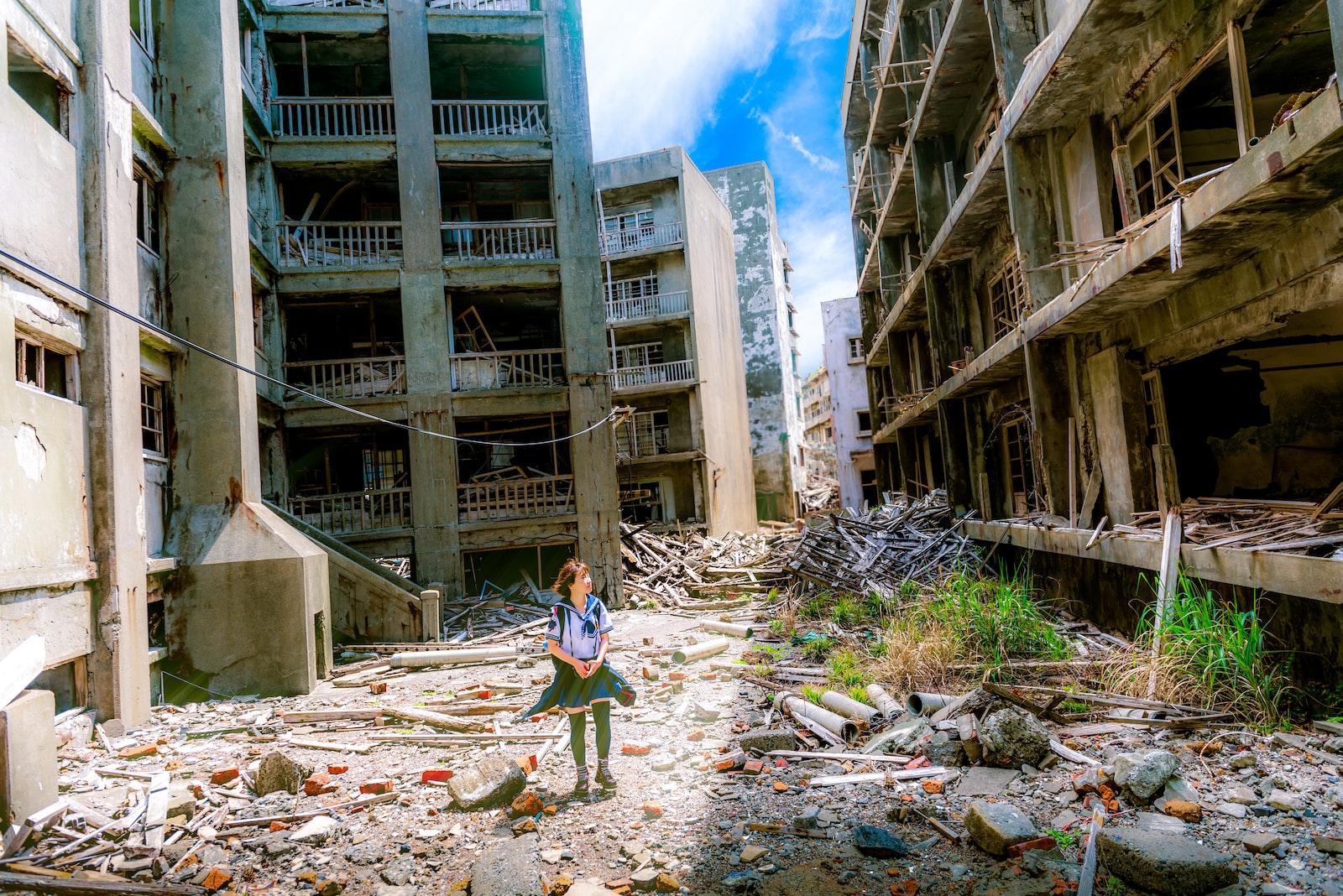
Another significant impact of wars on societies is the physical destruction of infrastructure. Wars often result in the bombing and destruction of buildings, homes, and other structures, which can displace large numbers of people and leave communities struggling to rebuild. This physical destruction can also have a profound impact on the cultural heritage of a region, destroying important historical sites and monuments that are critical to preserving the region’s cultural identity.
The psychological and emotional toll of wars on survivors can also be significant. Wars often result in trauma, anxiety, and depression, which can have long-lasting consequences for the mental health of survivors. In addition, wars can also result in the displacement of large numbers of people, who may struggle to adjust to new cultures, languages, and environments. This can result in feelings of loss, loneliness, and disconnection, which can have a lasting impact on the psychological well-being of affected individuals and communities.
The cultural impact of wars can also be far-reaching. Wars often result in the mixing of cultures and populations, as refugees and displaced persons are forced to flee their homes and resettle in new regions. This can result in the fusion of cultural traditions, languages, and beliefs, creating new and unique cultural identities. For example, the cultural impact of the Ottoman Empire on the Middle East and Europe has been significant, as the empire’s diverse populations brought together a rich tapestry of cultural traditions and practices.
However, the cultural impact of wars can also be more negative. Wars can result in the suppression of cultural traditions, languages, and beliefs, as governments and military forces seek to assert control over newly acquired territories. For example, the cultural impact of colonialism has been profound, as colonial powers sought to impose their own cultural norms and beliefs on the populations they conquered.
The economic impact of wars can also be significant. Wars often result in the disruption of trade and commerce, as well as the destruction of physical infrastructure, such as roads, bridges, and ports. This can result in the decline of local economies, as well as the displacement of large numbers of people, who may struggle to find work and support themselves in the aftermath of a war. In addition, wars can also result in the mobilization of large numbers of people, as armies and militaries seek to conscript or recruit soldiers to fight in their wars. This can result in the displacement of large numbers of workers, who are critical to the functioning of local economies.
In conclusion, wars have a profound and far-reaching impact on societies and cultures. Understanding the impact of wars requires a multi-disciplinary approach, combining historical, sociological, psychological, and cultural perspectives. From the loss of life and the physical destruction of infrastructure, to the psychological and emotional toll on survivors and the cultural and economic impacts, the effects of wars can be felt for generations, shaping the societies and cultures of the world in profound and far-reaching ways.


