
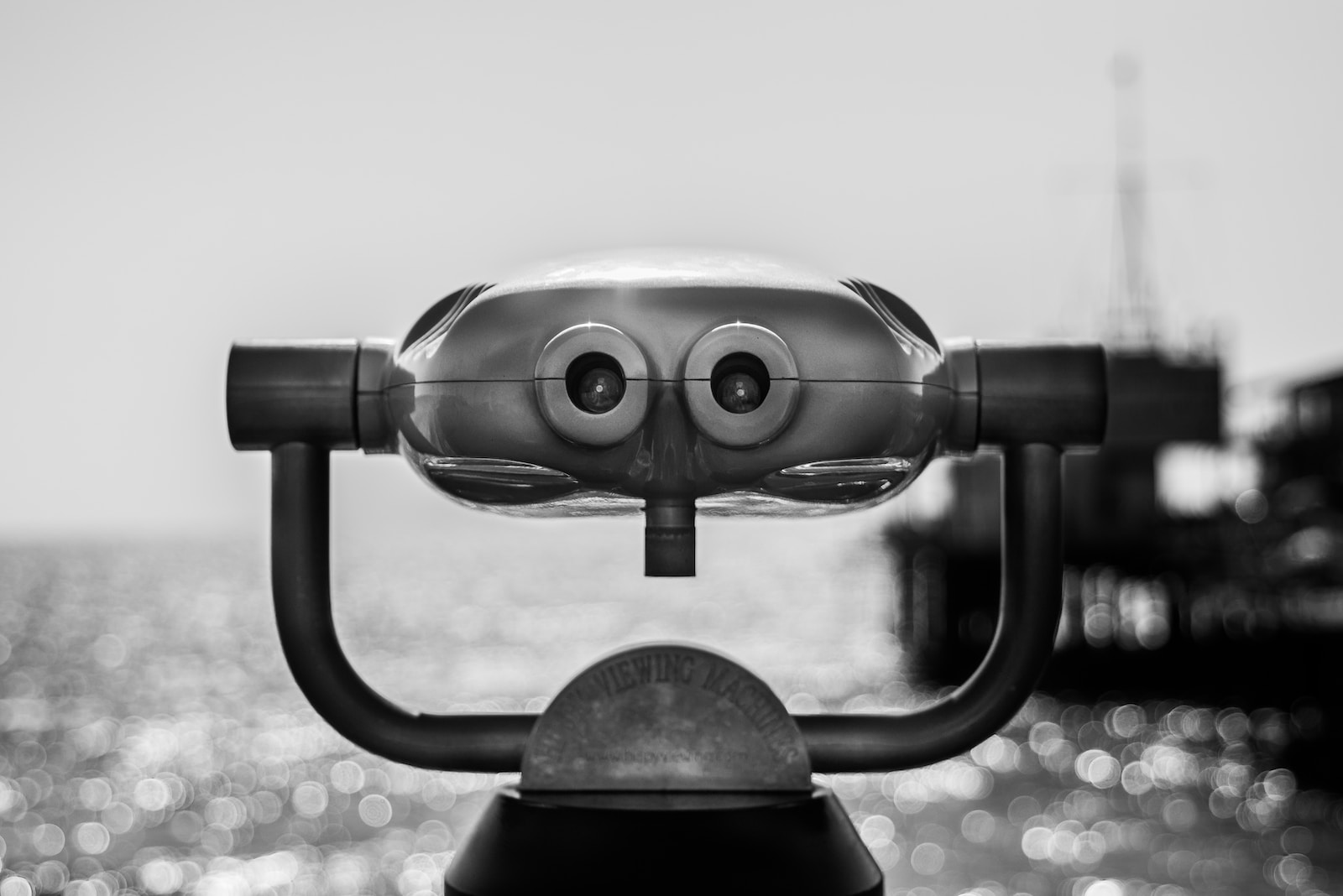
Binoculars are an essential tool for birdwatching. They allow you to get a closer look at birds without disturbing them, making it easier to identify species and observe their behavior. However, using binoculars effectively requires some practice and knowledge of the right techniques. In this article, we will provide tips on how to use binoculars effectively for birdwatching.
Use Binoculars Effectively for Birdwatching
Choosing the Right Binoculars
The first step in using binoculars effectively for birdwatching is to choose the right pair. The most important factor to consider is the magnification power. For birdwatching, a magnification of 8x or 10x is recommended. Higher magnifications may be too difficult to stabilize and can cause the image to appear shaky. The objective lens diameter is also important. A larger objective lens will provide a brighter image, but it also means a heavier and bulkier pair of binoculars.
Adjusting the Focus
Before using your binoculars for birdwatching, you need to adjust the focus. This is especially important if you wear glasses. To adjust the focus, look at a distant object and turn the focusing knob until the object appears sharp and clear. If you wear glasses, adjust the diopter, which is usually located on the right eyepiece, until the image is in focus.
Using Proper Technique
Using proper technique is crucial for using binoculars effectively for birdwatching. Here are some tips to help you get the most out of your binoculars:
Steady Your Hands
One of the biggest challenges of using binoculars for birdwatching is keeping the image steady. Shaky hands can make it difficult to focus on the bird and make it more challenging to identify the species. To steady your hands, lean against a tree or other stable object, or use a tripod or monopod.
Keep Both Eyes Open
When using binoculars for birdwatching, it is important to keep both eyes open. This allows you to maintain your natural field of vision and makes it easier to track moving birds. To do this, focus on the bird with your right eye while keeping your left eye open. This technique takes some practice, but it can significantly improve your birdwatching experience.
Use Both Hands
Using both hands to hold your binoculars can also help you keep the image steady. Hold the binoculars with both hands and keep your elbows close to your body. This will help you maintain a stable grip and minimize movement.
Use the Correct Eye Relief
Eye relief is the distance between your eye and the eyepiece of the binoculars. It is important to use the correct eye relief to avoid eye strain and fatigue. Adjust the eye relief so that the image is clear and comfortable to view.
Practice and Patience
Using binoculars effectively for birdwatching takes practice and patience. It may take some time to get used to the techniques, and it may take some time to locate and identify the birds you want to see. Be patient and persistent, and don’t give up if you don’t see the birds right away. As you become more experienced, you will be able to identify birds more easily and quickly.
Conclusion
Binoculars are an essential tool for birdwatching. Choosing the right pair, adjusting the focus, using proper technique, and practicing patience are all important for using binoculars effectively. With these tips, you will be able to observe birds more closely and identify species with greater accuracy. Remember to always consider your surroundings and the safety of the birds when using binoculars, and enjoy the beauty and diversity of the avian world.


