
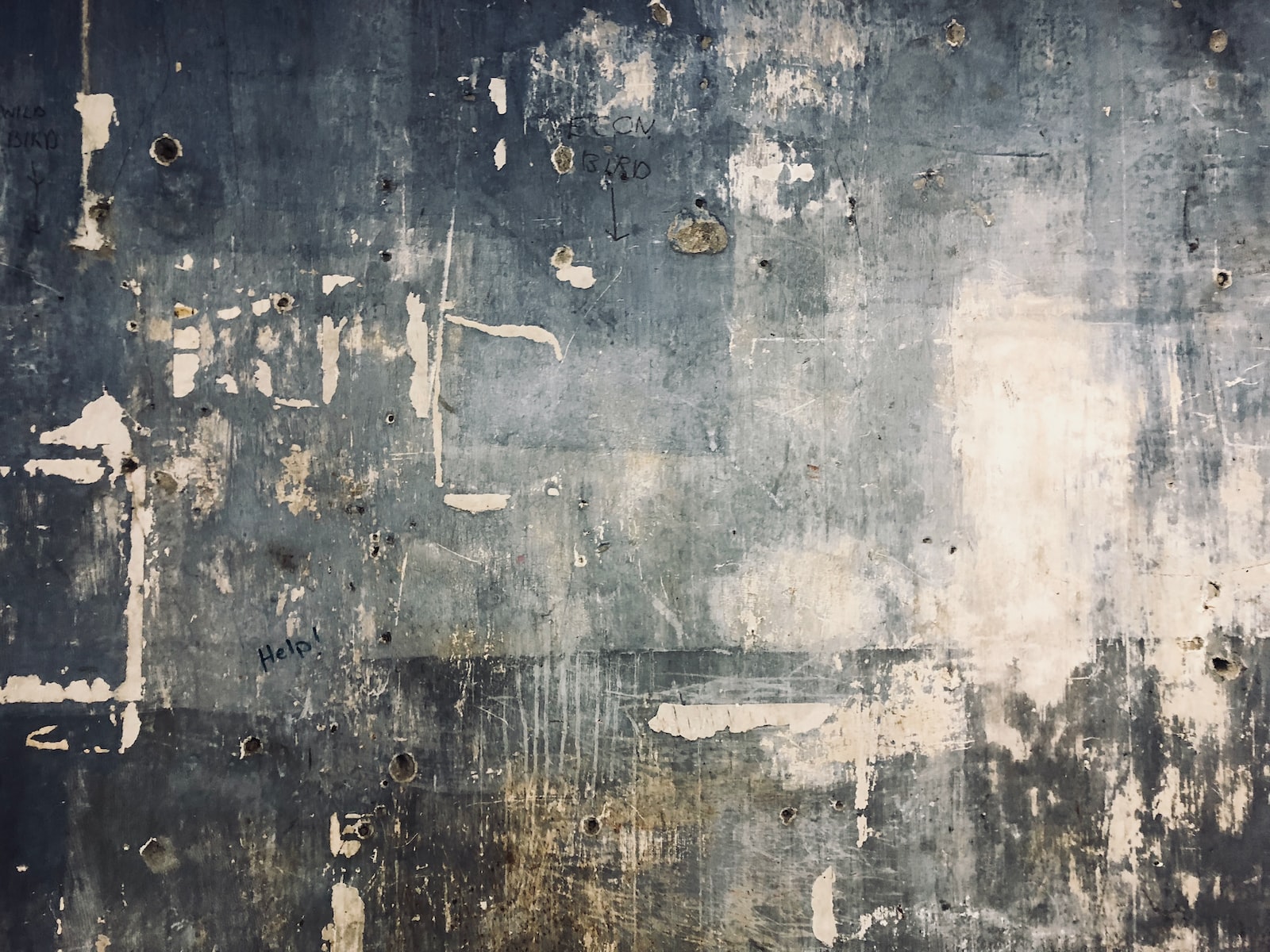
Texture is an essential element in interior design that can be used to add visual interest, depth, and dimension to a space. By incorporating different textures, designers can create a layered and dynamic environment that is both visually appealing and engaging to the senses. Here are some key strategies for using texture to add interest to an interior design.
Mix and Match Textures
One of the easiest ways to add texture to an interior design is to mix and match different textures. By combining different materials such as wood, metal, glass, stone, or textiles, designers can create a space that feels rich and layered. For example, a room with a mix of wood furniture, metal lighting fixtures, and a plush area rug can create a dynamic and visually interesting environment. In addition to material textures, designers can also mix and match patterns and colors to add even more depth and interest to a space.
Use Wall Treatments
Wall treatments are another effective way to add texture to an interior design. By using materials such as wallpaper, stone veneer, wood paneling, or textured paint, designers can create a focal point that adds visual interest and depth to a room. For example, a feature wall with a textured wallpaper or wood paneling can add warmth and texture to a space. In addition to adding texture, wall treatments can also help define a space, create contrast, and set the tone for the overall design.
Incorporate Textured Fabrics
Textured fabrics such as velvet, wool, linen, or leather can add a tactile and visual element to a space. By incorporating textured fabrics into furniture, window treatments, and accessories, designers can create a cozy and inviting environment. For example, a plush velvet sofa, a textured wool area rug, or a set of linen curtains can add softness and dimension to a room. Additionally, patterned fabrics can also be used to add interest and texture to a space. Bold prints or geometric patterns can create contrast and add visual interest to an otherwise neutral design.
Add Organic Elements
Incorporating natural elements such as plants, flowers, or wood can add an organic and textural element to an interior design. By bringing the outdoors in, designers can create a calming and peaceful environment. For example, a vase of fresh flowers or a potted plant can add life and texture to a room. In addition to plants, designers can also incorporate natural materials such as wood, stone, or woven baskets to add texture and warmth to a space.
Create Contrast
Creating contrast is another effective way to add interest and texture to an interior design. By using contrasting materials, colors, or patterns, designers can create a visually dynamic environment. For example, a room with a white leather sofa and a black and white striped area rug can create a striking and bold contrast. Additionally, designers can also use lighting to create contrast by highlighting different textures or materials.
Use Lighting
Lighting is an important element in interior design that can be used to highlight texture and create a sense of depth. By using different types of lighting such as accent lighting or uplighting, designers can create a focal point that adds visual interest and texture to a space. For example, a piece of artwork or a textured wall can be highlighted with a directional spotlight to add depth and dimension. In addition to highlighting specific textures, lighting can also be used to create a soft and warm ambiance, which can add texture and depth to a room.
Conclusion
Incorporating texture is an important element of interior design that can greatly enhance the overall look and feel of a space. By mixing and matching textures, using wall treatments, incorporating textured fabrics, adding organic elements, creating contrast, and using lighting effectively, designers can create a visually dynamic and engaging environment. Ultimately, texture can add depth, dimension, and interest to a space, which can make it feel more comfortable, inviting, and visually appealing. When incorporating texture into an interior design, it is important to consider the overall style and mood of the space, as well as the practical considerations such as durability and maintenance. By carefully selecting and combining different textures, designers can create a space that is both functional and aesthetically pleasing. Whether using natural materials, fabrics, or wall treatments, texture is an important element of interior design that can greatly enhance the overall look and feel of a space.


