
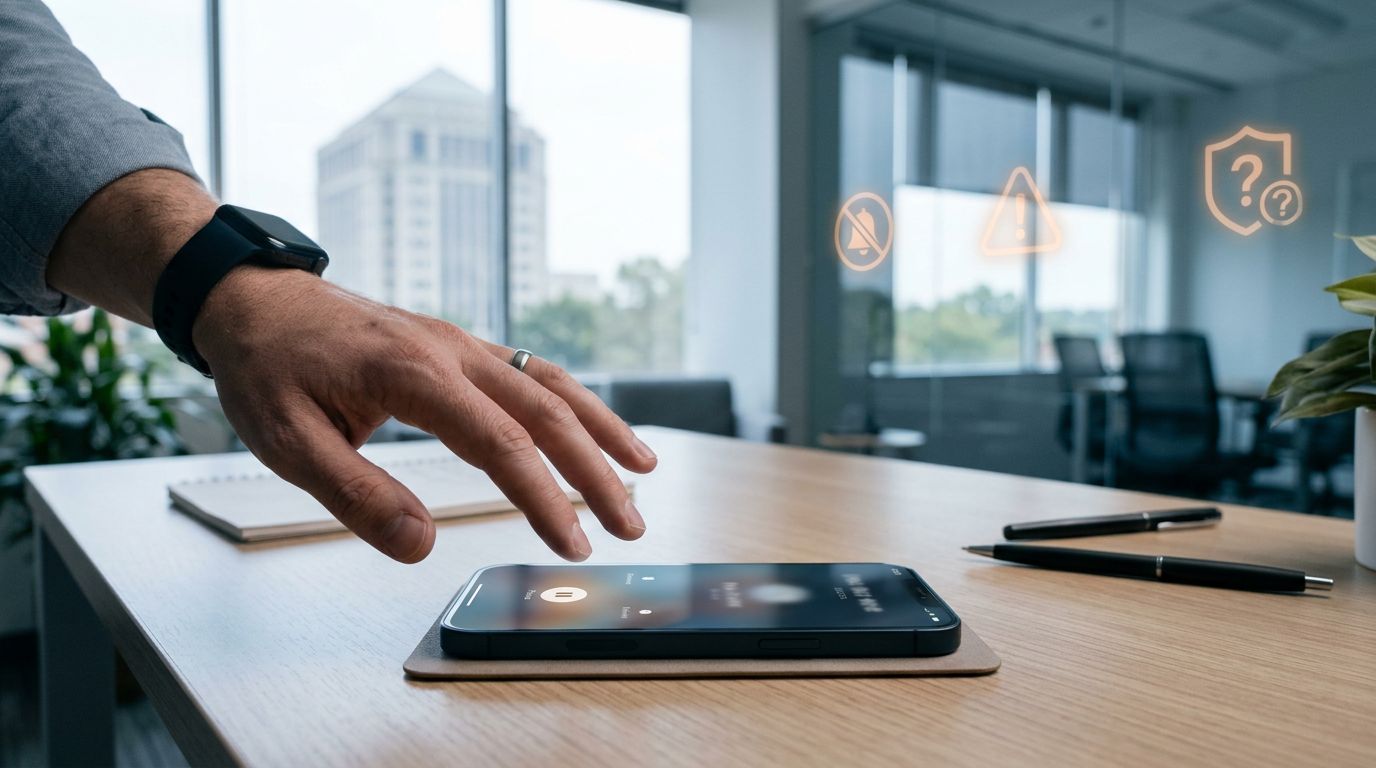
A social security scam rarely looks ridiculous at first. It usually sounds official, urgent, and annoyingly believable, often involving someone claiming to represent the Social Security Administration to gain your trust.
That is why so many people get caught. The safest habit is simple, pause before you confirm anything, click anything, or answer a personal question. Once you know the pattern, these scams stop sounding powerful and start sounding scripted.
Key Takeaways
- Recognize the urgency trap: Scammers rely on manufactured fear and artificial deadlines to prevent you from thinking clearly; if a request demands immediate action or threatens arrest, it is almost certainly a scam.
- Verify through official channels: The Social Security Administration will never demand payment via gift cards, wire transfers, or cryptocurrency, nor will they ask you to move money to a ‘safe account.’
- Don’t trust the caller ID: Phone numbers can be spoofed to look like legitimate government offices, so never rely on caller ID as proof of identity.
- Establish a family rule: The most effective defense is a simple household policy: never share personal or financial information with anyone who contacts you first, regardless of how official they sound.
The first clue is pressure
Most scams start the same way, with an unexpected call, text, email, letter, or social media message from someone claiming to be with the Social Security Administration. This type of government imposter scam often arrives with a sense of urgency. You might be told your Social Security number has been suspended, that your benefits are in danger, or that your identity is tied to a crime. You are told you need to act now.
That urgency is not a side detail. It is the whole engine. A scammer wants you worried before you are thinking clearly, as fear makes people answer questions they would never answer on a calm Tuesday afternoon.
Real staff from the Social Security Administration do not threaten arrest over the phone. They do not say the police are on the way if you do not cooperate, and they certainly do not use the threat of arrest to force you into compliance. They do not demand instant payment to fix a problem. A government office can be frustrating, slow, and bureaucratic, but it is not a late-night hostage negotiator.

The pressure often sounds personal because scammers know a little about how people behave. Many older adults were raised to be polite on the phone, while many caregivers are already busy and tired. Many beneficiaries worry that one mistake could interrupt money they depend on. Scammers lean on all of those vulnerabilities.
If fear shows up before facts, treat the contact like a scam until you verify it yourself.
That one rule cuts through a lot of noise. A real agency can wait while you check the facts. A scammer usually cannot.
What real Social Security contact usually looks like
People sometimes hear that the government will never contact them and take it too literally. The truth is a little more ordinary. Social Security may contact you if you already reached out first, if you have a known case, or if there is an issue tied to business you already started. Texts or emails are usually connected to preferences you set yourself.
Routine communication is usually boring. That is a good sign. It does not arrive with threats, countdowns, or dramatic claims about frozen benefits, which are common tactics used to facilitate identity theft. The official SSA scam warning page says the Social Security Administration will not ask for sensitive information through social media, email, or text, and it will not demand unusual forms of payment.
This quick comparison helps when a message sounds polished.
| Scam message | What SSA usually does |
|---|---|
| Says your Social Security number is facing benefit suspension | Does not suspend Social Security numbers |
| Threatens immediate arrest or legal action | Does not threaten immediate arrest over phone, text, or email |
| Demands gift cards, cash, prepaid cards, or crypto | Does not ask for payment that way |
| Tells you to move money to a safe account | Does not tell you to transfer money for protection |
| Asks for personal details out of the blue | Usually contacts you about business you already started |
| Uses caller ID that looks official | Caller ID can be spoofed |
The last point matters more than people think. Caller ID is not proof. A phone can display a government number and still be part of a fraud attempt involving criminal activity. That trick is called spoofing, and it is one reason a calm callback matters so much.
If someone claims to be from the agency, hang up and use a number you found yourself. You can verify your identity and the status of your claim through official channels, including 1-800-772-1213. That small pause is often the moment the scam falls apart.
The questions that should stop the conversation
A scammer does not need your whole life story. A few pieces will do. That is why these contacts often drift toward your Social Security number, bank account details, account logins, date of birth, mailing address, or benefit information. The request may sound harmless at first. They might ask you to confirm the last four digits of your Social Security number, verify your bank account for direct deposit, or log in to your my Social Security account so they can supposedly help you resolve an issue.
Do not play along. Even partial information helps a crook build the rest. Think of it like handing over one key from a ring. It may not open every door, but it tells the stranger where to start.
Fraudulent emails have their own tells. Watch for spelling mistakes, odd phrasing, unfamiliar sender addresses, or fake links that look close to official sources but are not legitimate. Some scams are clumsy, while others are clean and polished. Pretty design does not make a message honest.
A common trap is the use of fake links that claim you need to “fix your account.” The message says something is wrong with your benefits, then provides a shortcut to solve it. That link can steal your credentials, collect personal data, or send you to a fraudulent portal designed to gain access to your my Social Security account. For older adults and families, consumer resources on Social Security scams show how many forms these contacts can take, including mail, phone calls, and online messages.
When in doubt, do less. Do not click. Do not answer security questions. Do not explain that you are careful. The best way to protect personal information is to quietly end the contact and verify the situation on your own terms.
The payment request that gives the scam away
The clearest sign of a Social Security scam is often not the first sentence. It is the moment money enters the conversation. Suddenly, you are instructed to use specific payment methods, such as buying gift cards, loading a prepaid card, sending cash, paying with cryptocurrency, or initiating a wire money transfer to a so-called safe account.
A real government agency does not work like that. It does not run on store-bought gift cards from the pharmacy rack, nor does it protect your savings by asking you to move them somewhere else. The safe account story is pure theater, and it is a surprisingly successful one.
Scammers insist on these methods for one reason: they are incredibly hard to reverse. Once the card numbers are read aloud or the digital currency is sent, the money is often gone forever. That is why they push for speed. They do not want you talking to your bank, your family, or the sensible part of your own brain.
If you have already shared personal information, sent money, or provided login credentials, stop the contact immediately. Change your passwords if an account was compromised. If your financial details were exposed, call your bank or card issuer right away. To report fraud, contact the Social Security Office of the Inspector General at 1-800-269-0271, or file a report with the Federal Trade Commission at ReportFraud.ftc.gov. If you need to confirm whether any part of the contact was legitimate, call the Social Security Administration directly using an official verified number.
The same pattern appears across various types of benefit-related fraud. Even veteran scam-prevention tips repeat the same core advice: do not trust inbound pressure and never make a payment on demand.
If you’re helping a parent or partner, make one household rule
Caregivers often spot a social security scam only after a strange voicemail or a worried call that starts with, “I may have done something silly.” That is the wrong frame. The person was targeted, not foolish. Scammers often bait their victims with promises of a cost-of-living adjustment or a false benefit increase to create a sense of urgency. They may even claim they can help the recipient claim benefits faster if they provide personal details immediately. Shame keeps these crimes hidden, and hidden scams do the most damage.
A better approach is to create one simple family rule before anything happens. No one gives personal information, banking details, or payment to anyone who contacted them first. Not by phone. Not by text. Not by email. If the message is real, it will still be there after a callback to a trusted number.
It helps to give people a script. Something short. “Thanks, I will contact Social Security directly.” Then hang up. No debate. No proving you are smart. No staying on the line because the caller sounds stern and official.
You can make the process easier by writing the official SSA phone number near the home phone, saving it in a cell phone, and agreeing that unfamiliar calls go to voicemail first. Review suspicious messages together. Open mail together if a notice sounds alarming. A scam often loses its power the second another set of eyes enters the room.
Frequently Asked Questions
Can the Social Security Administration threaten me with arrest over the phone?
No. The Social Security Administration does not contact individuals to threaten arrest, legal action, or the suspension of Social Security numbers. If you receive a call making such threats, hang up immediately.
Why do scammers ask for payment in gift cards or cryptocurrency?
Scammers prefer these methods because they are nearly impossible to trace or reverse once the money is sent. Official government agencies will never ask for payment through store-bought cards or digital currencies.
Is it safe to call back a number that leaves a voicemail about my benefits?
No, because that number may be part of the scam or spoofed to look official. Instead, look up the official Social Security Administration contact information on their website or use the verified number 1-800-772-1213.
What should I do if I accidentally shared information with a scammer?
If you provided login credentials, change your passwords immediately and contact your financial institutions to secure your accounts. You should also report the incident to the Social Security Office of the Inspector General or the Federal Trade Commission at ReportFraud.ftc.gov.
The safest answer is a pause
The best tool for identifying a social security scam is not a fancy app or a perfect memory. It is simply the power of a pause.
Whenever you receive a suspicious call from someone claiming to be from the Social Security Administration who demands immediate answers, you should consciously slow the moment down. Real government business can always survive a verified callback. A fraudster depends entirely on your panic, their manufactured speed, and your silence. Once those elements disappear, the entire scheme usually collapses.


