
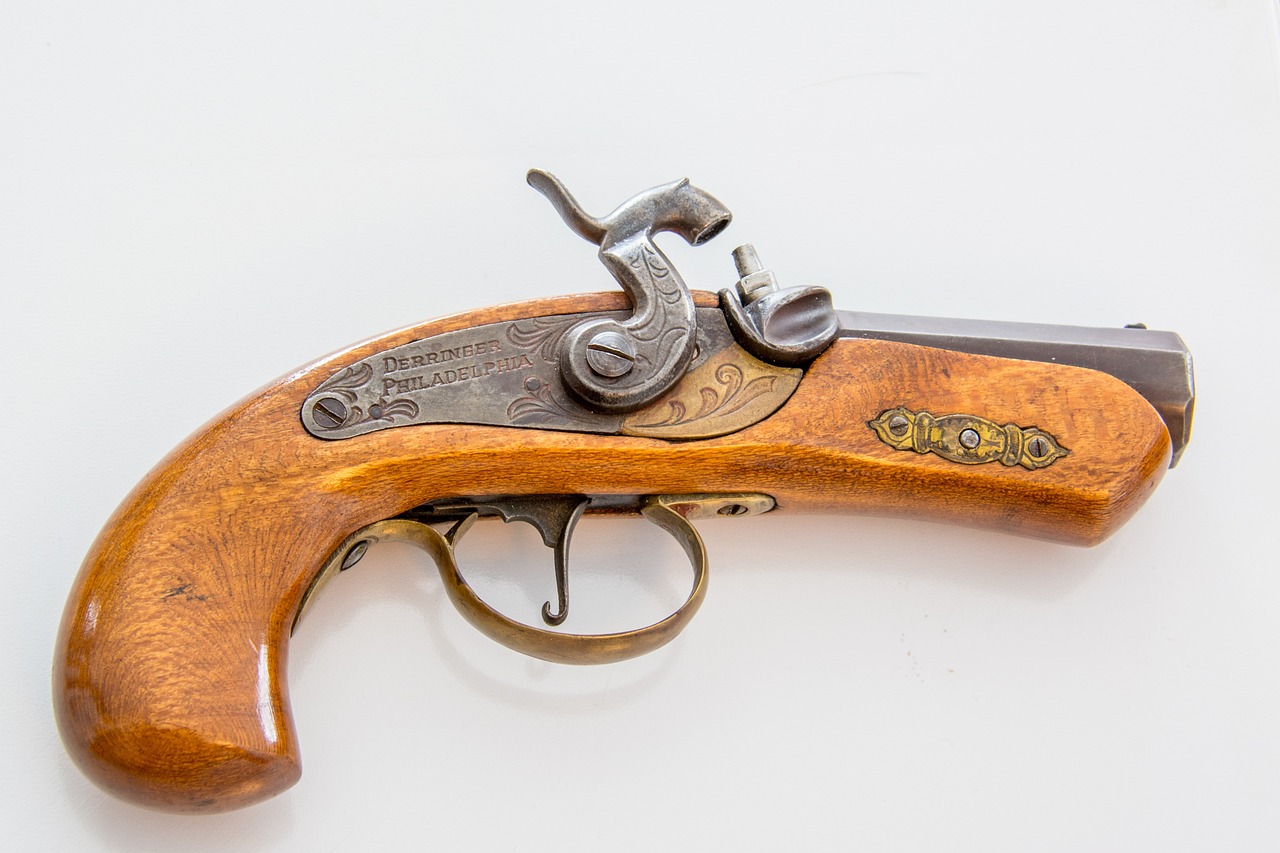
Determining the rarity of antique firearms and weapons is a fascinating pursuit that allows collectors, enthusiasts, and historians to appreciate the unique qualities and historical significance of these artifacts. Rarity is an important factor in assessing the value and desirability of antique firearms and weapons, making it essential to understand the various elements that contribute to their rarity. This comprehensive guide will provide you with valuable insights and techniques to help you determine the rarity of antique firearms and weapons.
How Does One Determine the Rarity of Antique Firearms and Weapons?
1. Evaluate Historical Production Figures
One of the primary indicators of rarity is the production figures of a specific firearm or weapon. Research historical records, manufacturer catalogs, or reference books to gather information about the quantity of a particular model or type produced during its era. Firearms or weapons with low production numbers or limited availability are often considered rarer and can fetch higher prices in the collector’s market.
2. Examine Scarcity in the Collectors’ Market
The level of scarcity in the collectors’ market also plays a crucial role in determining the rarity of antique firearms and weapons. Evaluate auction records, sales data, and collector forums to gain insights into the availability and demand for specific firearms or weapons. If an item is rarely seen in the market or is highly sought after by collectors, it suggests a higher level of rarity.
3. Consider Historical Significance and Cultural Impact
The historical significance and cultural impact of a firearm or weapon can contribute to its rarity. Firearms or weapons associated with pivotal historical events, famous individuals, or significant periods in history tend to be rarer and hold greater value. Consider the context in which a particular firearm or weapon was used and its impact on military, social, or cultural history. These factors can elevate its rarity and desirability among collectors.
4. Assess Uniqueness in Design or Features
Uniqueness in design or features sets certain firearms or weapons apart, making them rarer in the collector’s market. Look for distinctive design elements, unusual variations, or rare markings that differentiate a particular firearm or weapon from others of its kind. Limited editions, custom-made pieces, or prototypes are often highly sought after by collectors due to their rarity and exclusivity.
5. Explore Historical Documentation and Provenance
Historical documentation and provenance can provide valuable insights into the rarity of antique firearms and weapons. Research the firearm or weapon’s history, previous ownership, and any notable associations. Look for documentation such as letters, certificates, or records that highlight its unique qualities or provenance. Firearms or weapons with well-documented histories, connections to famous individuals, or specific events often possess a higher degree of rarity.
6. Consult Experts and Collectors
Seeking the expertise of knowledgeable experts and engaging with fellow collectors can provide valuable guidance in assessing the rarity of antique firearms and weapons. Experts in the field of firearms and weapons possess extensive knowledge and experience in recognizing rare pieces, identifying unique features, and understanding market trends. Engaging with collectors and participating in collector communities can also provide valuable insights and firsthand experiences in assessing rarity.
7. Consider Condition and Originality
The condition and originality of an antique firearm or weapon can impact its rarity. Firearms or weapons in excellent condition, retaining their original parts, finishes, or accessories, are often considered rarer and more valuable. The presence of original grips, stocks, or accessories that are typically missing in similar examples can contribute to its rarity and desirability among collectors.
8. Assess the Survival Rate and Availability
The survival rate and availability of a specific type or model of antique firearm or weapon can indicate its rarity. Evaluate historical data, expert opinions, and collector feedback to understand the extent to which a particular firearm or weapon has survived over time. If a specific type or model is scarce or seldom encountered, it suggests a higher level of rarity.
Conclusion
Determining the rarity of antique firearms and weapons requires a multifaceted approach that combines research, evaluation of historical production figures, scarcity in the collectors’ market, consideration of historical significance and cultural impact, assessment of uniqueness in design or features, exploration of historical documentation and provenance, consultation with experts and collectors, and evaluation of condition and originality. By considering these factors, collectors and enthusiasts can gain a deeper understanding of the rarity and significance of antique firearms and weapons, enabling them to make informed decisions and appreciate these historical artifacts to the fullest.


