
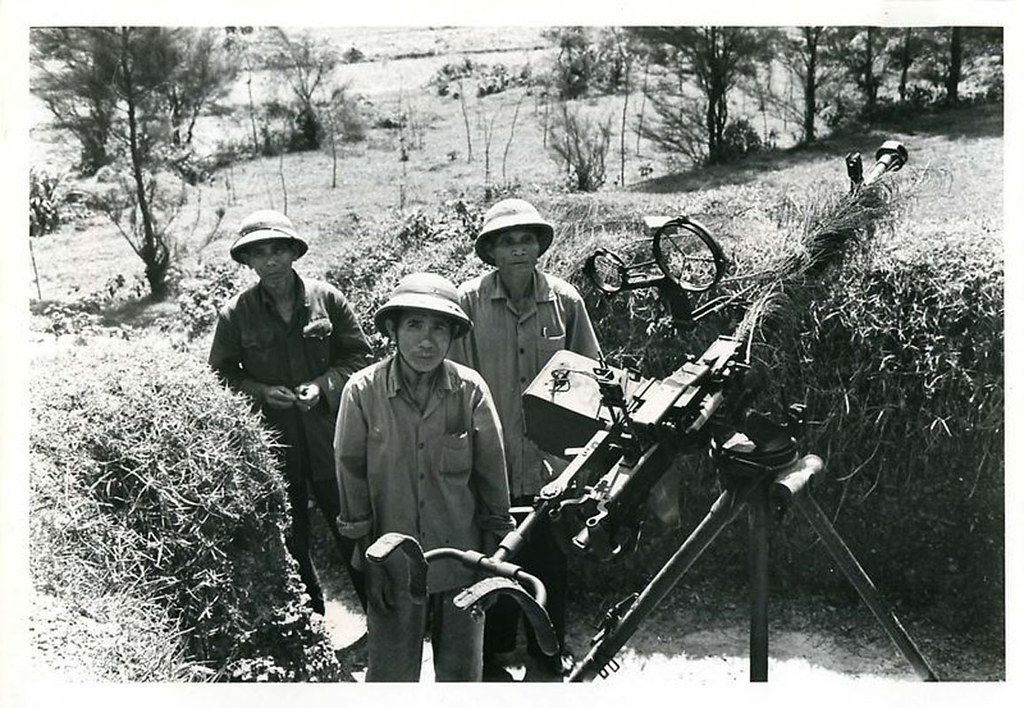
Appraising the value of antique firearms and weapons is a complex and meticulous process that requires a deep understanding of historical significance, craftsmanship, rarity, and market dynamics. Whether you are a collector, a seller, or simply curious about the worth of such artifacts, this comprehensive guide will equip you with the knowledge and tools needed to navigate the world of antique firearms and weapons valuation.
How Does One Appraise the Value of Antique Firearms and Weapons?
1. Historical Research and Documentation
The first step in appraising the value of an antique firearm or weapon is conducting thorough historical research. Dive into the archives, consult reputable reference books, and explore online resources to gather information about the item’s origin, manufacturer, and historical context. Historical documentation adds a layer of authenticity and can significantly impact its value.
2. Evaluation of Condition and Rarity
The condition of an antique firearm or weapon is a crucial factor in determining its value. Examine the item’s physical state, taking note of any damage, repairs, or modifications. Originality and completeness play a significant role as well. Additionally, consider the rarity of the piece. Uncommon features, limited production runs, or historical significance can elevate its value.
3. Expert Assessment and Appraisal
Engaging the services of a reputable expert or appraiser is highly recommended for accurate valuation. These professionals possess the expertise and knowledge required to evaluate the intricacies of antique firearms and weapons. Their trained eye can identify unique features, assess historical importance, and provide an unbiased opinion of the item’s value.
4. Market Research and Analysis
To appraise the value of antique firearms and weapons effectively, one must stay informed about market trends and dynamics. Research recent auction results, examine prices in specialized antique firearms and weapons publications, and consult online platforms dedicated to buying and selling such items. Understanding current demand and market preferences is crucial for a realistic valuation.
5. Provenance and Historical Significance
The provenance and historical significance of an antique firearm or weapon can significantly impact its value. Tracing the item’s ownership history, especially if it has a notable connection to a famous individual, historical event, or military unit, adds value and enhances its appeal to collectors and enthusiasts.
6. Comparative Analysis with Similar Items
Conducting a comparative analysis with similar items can provide valuable insights into the valuation process. Explore auction catalogs, visit museums or exhibitions, and connect with fellow collectors to examine comparable pieces. Identifying similar firearms or weapons that have been sold or appraised can help establish a benchmark for determining value.
7. Factors Affecting Value
Several additional factors can influence the value of antique firearms and weapons. These include the overall design, craftsmanship, materials used, age, condition of the bore or blade, rarity of accessories or accompanying items, and historical demand. Understanding these factors and their impact on value is crucial for accurate appraisal.
8. Documenting and Certifying Valuation
Once the appraisal process is complete, it is essential to document and certify the valuation. Obtain a detailed written appraisal report from the expert or appraiser, including all relevant information and supporting documentation. This certified document serves as proof of value for insurance purposes, potential sales, or estate planning.
Preserving the Legacy
Appraising the value of antique firearms and weapons is a multifaceted undertaking that requires a blend of historical research, expert assessment, market analysis, and careful consideration of various factors. By unlocking the mystery of valuation and understanding the intricacies of the market, you can ensure a fair and accurate assessment of antique firearms and weapons.


