
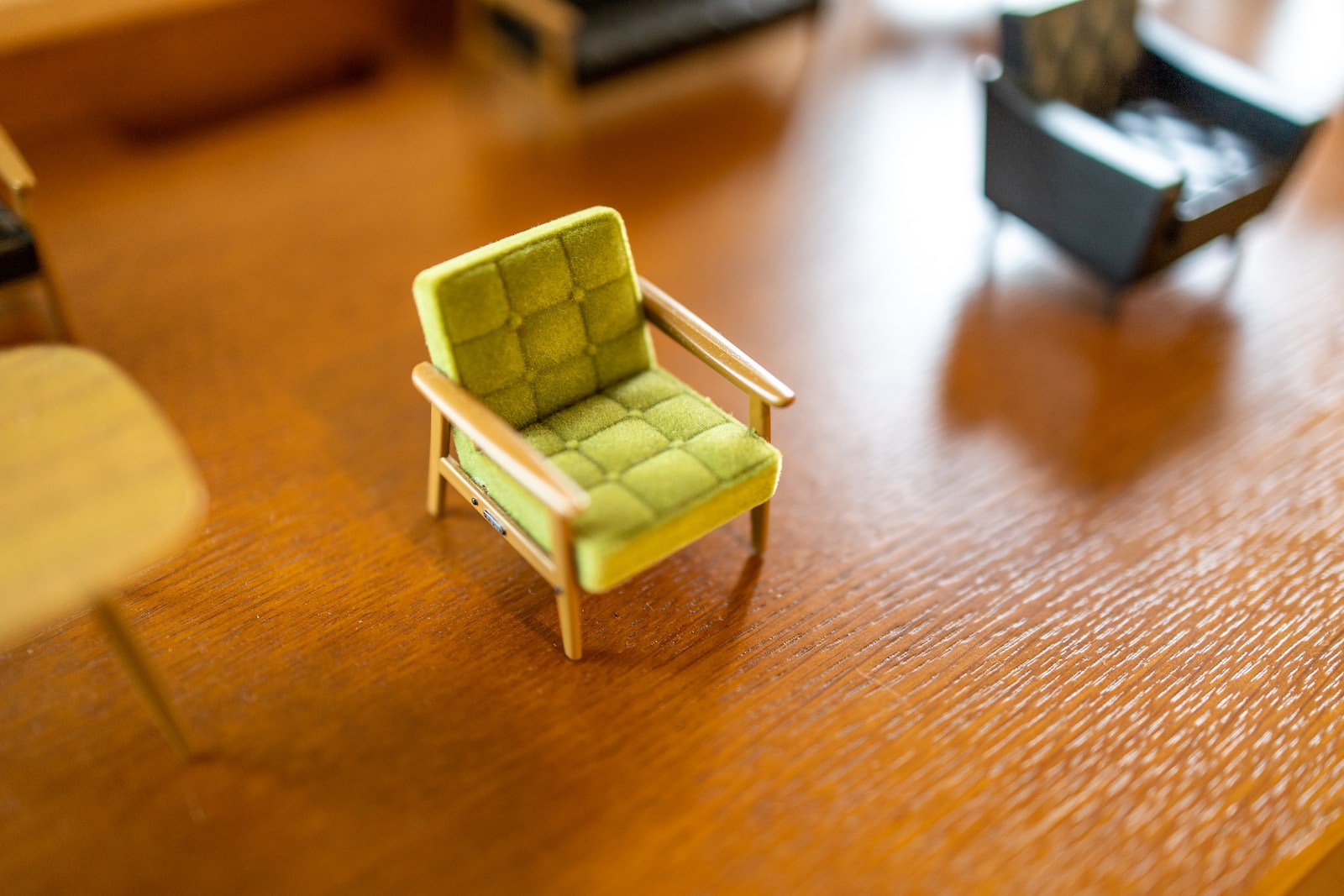
If you’re a fan of dollhouses and miniatures, making your own miniature furniture can be a fun and rewarding hobby. Not only can you create custom pieces that perfectly fit your dollhouse’s style and scale, but you can also save money by using inexpensive materials and tools. In this article, we’ll walk you through the process of making miniature furniture for dollhouses, including choosing materials, planning your designs, and assembling your pieces.
Make Miniature Furniture for Dollhouses
Choosing Materials
When making miniature furniture for dollhouses, you have a wide range of materials to choose from, depending on your budget, skill level, and desired outcome. Here are some common materials used for miniature furniture:
Wood: Wood is a popular choice for making miniature furniture due to its durability and versatility. Balsa wood and basswood are popular choices for beginners, as they are easy to cut and shape with basic tools. Hardwoods like cherry, maple, and walnut are more difficult to work with but can provide a more realistic finish.
Cardboard: Cardboard is a great choice for making quick and easy miniature furniture, especially if you’re just starting out. You can use thin cardboard sheets to create flat pieces like bookshelves and picture frames, or thicker cardboard like cereal boxes for more substantial pieces like chairs and tables.
Polymer Clay: Polymer clay is a type of modeling clay that can be baked to harden into a permanent shape. It’s a popular choice for making miniature food and small accessories, but can also be used to create larger furniture pieces. Polymer clay can be expensive, but a little goes a long way.
Wire: Wire is a versatile material that can be used to create the framework for miniature furniture pieces. You can then cover the wire with fabric, paper, or other materials to create the finished piece.
Planning Your Designs
Before you start making your miniature furniture, it’s important to plan out your designs to ensure that your pieces will be the right scale and style for your dollhouse. Here are some tips for planning your designs:
Measure: Measure the rooms in your dollhouse to determine the scale of your furniture. For example, if your dollhouse is 1/12 scale, then your furniture pieces should be one-twelfth the size of their real-life counterparts.
Research: Look at real-life furniture pieces or reference photos online to get inspiration for your designs. Pay attention to the style, shape, and details of the furniture pieces you’re interested in replicating.
Sketch: Sketch out your designs on paper or use a computer program to create a digital blueprint. This will help you visualize how the pieces will fit together and ensure that all of the proportions are correct.
Assembling Your Pieces
Once you’ve chosen your materials and planned your designs, it’s time to start assembling your miniature furniture pieces. Here are some tips to keep in mind:
Use the Right Tools: Depending on the materials you’re using, you’ll need different tools to cut, shape, and assemble your pieces. Common tools include a craft knife, sandpaper, a ruler, and a hot glue gun.
Be Patient: Making miniature furniture can be a tedious process, especially if you’re working with small pieces. Take your time and be patient with yourself to avoid mistakes and ensure that your pieces are well-made.
Think About Details: The details are what will make your miniature furniture stand out. Consider adding small embellishments like trim, fabric upholstery, or painted details to make your pieces look more realistic.
Take Breaks: Making miniature furniture can be a time-consuming and detail-oriented process, so it’s important to take breaks to avoid eye strain or hand cramps. Make sure to stretch your hands and take frequent breaks to keep your mind and body fresh.
Experiment: Don’t be afraid to experiment with different materials and techniques to create unique and interesting pieces. Try using different types of wood, or experiment with different finishes like staining or painting.
Finishing Touches
Once you’ve assembled your miniature furniture pieces, it’s time to add the finishing touches to make them look realistic and polished. Here are some tips for finishing your pieces:
Sand: Use sandpaper to smooth out any rough edges or surfaces on your furniture pieces. This will give them a more professional look and feel.
Paint or Stain: Depending on the material you used to make your furniture pieces, you may want to add a coat of paint or stain to give them a finished look. Be sure to choose a paint or stain that is appropriate for your material, and allow ample drying time before handling your pieces.
Add Details: Once your pieces are sanded and painted or stained, consider adding small details like drawer pulls or knobs, or decorative trim to give your pieces a finished look.
Conclusion
Making miniature furniture for dollhouses can be a fun and rewarding hobby for people of all ages and skill levels. With the right materials, planning, and patience, you can create custom pieces that perfectly fit your dollhouse’s style and scale. Whether you’re a beginner or an experienced crafter, making miniature furniture is a great way to unleash your creativity and explore new techniques and materials.


