
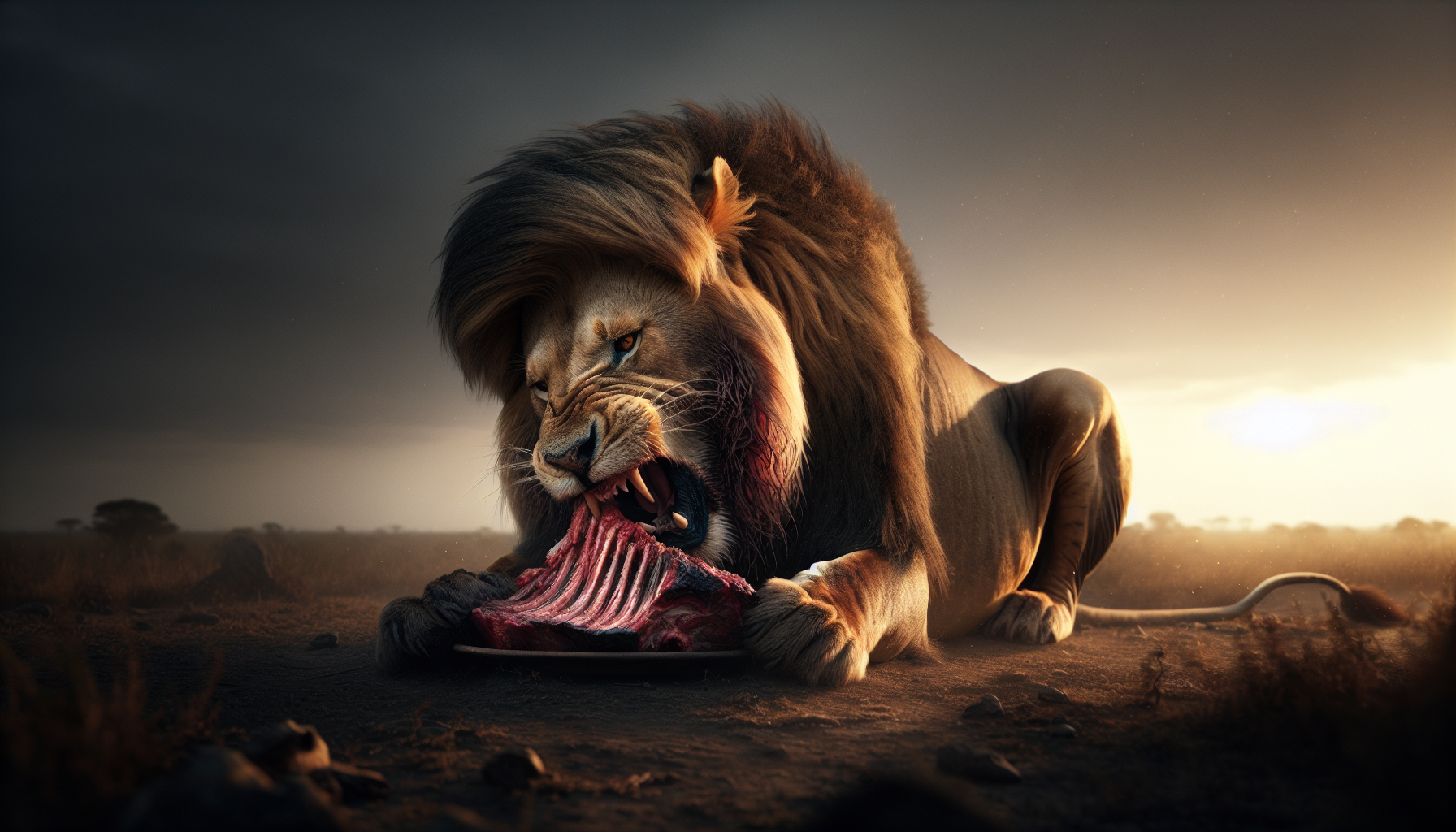
To cook a steak so tough it could stump even the king of the jungle sounds absurd, but it’s a challenge worth considering—if only for the humor. Since most people strive for tender, juicy cuts, intentionally creating a jaw-breaking steak takes a different kind of skill. Overcooking, ignoring marinades, and choosing the wrong cut of meat are just a few ways to achieve this goal. This post dives into the quirky techniques behind making a steak tougher than it has any right to be.
Understanding Steak Toughness
Cooking a steak that’s tough as leather starts with understanding the science behind why meat can turn out chewy in the first place. A steak’s toughness isn’t just about overcooking; the meat itself holds secrets in its very structure, from muscle fibers to connective tissues. Let’s break it down.
The Science of Meat Structure
At its core, meat is an intricate blend of muscle fibers, connective tissue, and fat. These components not only influence the flavor but also play a significant role in how tender or tough your steak will be. Muscle fibers are long, cylindrical cells that form the bulk of the meat. They contract during an animal’s life and toughen further under heat, especially when cooked incorrectly. Add to the mix some connective tissue—like collagen—and now you’re wrestling with one of the prime contributors to steak toughness.
When heated, collagen begins to break down into gelatin, but this process requires time and low temperatures. Without this, it remains rigid, turning into a chewy foe that’s impossible to ignore. Learn more about how muscle structure affects meat quality.
Another factor? Intramuscular fat, or marbling, which acts like a natural lubricant. Tough steaks often lack sufficient marbling, emphasizing the harder textures of the muscle and connective tissue. Think about it: a well-marbled ribeye melts in your mouth, while a lean cut from a cow’s well-exercised muscle, like the shoulder, might feel like crunching on tree bark.
Types of Tough Cuts
Not all cuts of meat are created equal. Some are naturally tougher due to the location on the animal’s body and how much those muscles were worked during its life. Here are a few commonly recognized tough cuts:
- Chuck: Taken from the shoulder, chuck is dense and loaded with connective tissue. It’s flavorful but demands slow cooking or braising.
- Round: Sourced from the rear leg, this cut is lean but highly fibrous, often used for roasting or preparation as ground beef.
- Brisket: A favorite for barbecue, but only tender when cooked low and slow. It starts off like a brick.
- Flank: Long, flat, and fibrous, the flank steak is well-known for its chewiness if improperly cooked.
- Shank: Taken from the leg, it’s perhaps one of the toughest cuts, usually relegated to hearty stews for a reason.
Each of these cuts has the potential to turn into a steak so tough that even a lion might think twice. Achieving this level of toughness often involves avoiding techniques like marinating or searing, which can soften their robust texture. Explore a guide to all cuts of beef.
Understanding these tough cuts and the structure of meat is only the first step. Using this knowledge, you can manipulate your steak into culinary indestructibility or tender perfection. The choice, of course, is up to you!
Cooking Techniques That Enhance Toughness
Cooking a steak tough enough to challenge even a lion requires an unconventional approach. The secret lies in using methods that intentionally rob the meat of tenderness. Let’s unpack the techniques that are sure to result in meat that’s more like leather than filet.
High-Temperature Cooking
Cooking meat at high temperatures might sound tempting if you’re in a hurry. However, this method has a notorious reputation for ruining steaks. When meat is exposed to high heat, especially without proper preparation, it loses internal moisture at a rapid rate. The heat causes muscle fibers to contract tightly, wringing out any remaining juice. What’s left? A steak that’s impossibly dry and frustratingly tough.
Think about it this way: frying a steak in a blazing hot pan might sear the outside beautifully, but without quick removal, the inside transforms into a dense and rubbery mass. It’s a great way to lose all the natural juiciness the cut once had. If you’re aiming for toughness, cranking up the heat and leaving the steak unattended is your best bet. Learn more about the effects of high-temperature cooking on meat toughness.
Slow Cooking Gone Wrong
Slow cooking is typically praised for its tenderizing effect. But when misunderstood, it can leave you with a steak that’s dry, stringy, and tough. Cooking too low and too long, without adequate moisture or fat content, can cause the meat to dry out. Connective tissues, which are supposed to break down into gelatin, don’t get a chance to soften when the cooking temperature is mismanaged.
Unlike precise, moist slow cooking, simply tossing a steak into a crockpot without enough liquid and forgetting about it is a recipe for disaster. Instead of falling-apart tenderness, you’ll get something that feels like biting into jerky. Understand how to avoid slow cooking mistakes.
Dry Cooking Methods
Grilling or broiling steaks without incorporating moisture is another surefire way to ruin any hope of tenderness. These methods rely on direct, high heat that aggressively dehydrates the surface of the meat. Without basting, marinating, or using fat, steaks quickly dry out. The lack of internal moisture creates that dreaded chewiness.
Picture placing a lean steak under the broiler without preparation. It chars beautifully on the outside but turns into a dense, unforgiving slab inside. Dry heat cooking works against leaner cuts in particular, leaving you with the mightiest jaw workout. Dive into the pitfalls of dry cooking.
Who knew cooking a steak tougher than a lion’s patience could be so simple? With these methods, the path to jaw-breaking meat is clear.
Mistakes to Avoid When Cooking Steak
Cooking a steak might seem simple, but even small missteps can lead to a tough, chewy piece of meat. Whether you’re grilling, pan-searing, or baking your steak, avoiding a few common mistakes can make the difference between a juicy masterpiece and something that feels like it belongs in a rubber factory. Let’s dive into some critical errors and how to steer clear of them.
Not Letting it Rest

Photo by Josh Withers
Ever cut into a steak right after cooking, only to see a pool of juices flood your plate? This happens because the juices inside haven’t had time to settle. Letting your steak rest after cooking is essential for preserving its juiciness and flavor. When a steak is cooked, the heat drives the juices toward the center of the meat. Without rest time, slicing it open lets all that flavorful moisture spill out at once. The result? A dry, lackluster steak that even a lion might reject.
To avoid this, set your steak aside after removing it from the heat. A good rule of thumb is to let it rest for about 5–10 minutes, depending on the thickness. Cover it loosely with aluminum foil to keep it warm. This allows the juices to redistribute evenly throughout the meat, ensuring every bite is as succulent as the next. According to The Food Lab, proper resting can drastically improve the meat’s overall texture and flavor, resulting in a satisfying dining experience.
Overcooking the Steak
Overcooking a steak is one of the quickest ways to turn a prime cut into something fit for boot leather. When steak is left on the heat for too long, the natural juices evaporate, and the muscle fibers tighten up, creating a dry and dense texture. Think of a sponge that’s been squeezed dry—there’s nothing left to enjoy.
The ideal doneness depends on your personal preference, but a medium-rare steak is widely considered the gold standard. It’s cooked to an internal temperature of 130–135°F (54–57°C), leaving it juicy yet tender. Use a meat thermometer if you’re unsure; it’s a small step that can have a big impact. As Steak & Barbells explains, monitoring the exact temperature of a steak is critical in preventing overcooking mishaps.
If you’re aiming for controlled doneness, consider removing the steak slightly before it reaches the desired temperature. Residual heat will continue to cook the meat as it rests, a process called carryover cooking. This little trick ensures your steak doesn’t cross over into the dreaded well-done territory unless, of course, you’re purposefully trying to toughen it up.
Enhancing Toughness through Preparation
Creating a steak so tough it could stump a lion requires a unique approach. Instead of opting for the usual tenderizing techniques, this section covers how to reverse the process, making your steak as unyielding as possible. From using surprising marinating strategies to misusing equipment meant for tenderizing, these methods will give your steak that indomitable chew.
Marinating with Toughening Agents
Marinades are often relied upon to add flavor and break down muscle tissue, resulting in tender steak. But what if we flipped the script entirely and aimed for the opposite effect? There are plenty of cunning ways to toughen your meat through creative marinating.
First, avoid all acidic ingredients like vinegar or citrus juice, as those will naturally tenderize the meat. Instead, try marinades heavy in salty soy sauce and Worcestershire—without adding enough moisture. These ingredients extract water from the muscle fibers, making them stiffer. Including alcohol-heavy liquids, like whiskey or rum, can also dry out the surface layers, creating a tougher chew.
Another unconventional approach? Skip the oils. Marinating without fat ensures that the steak absorbs no additional moisture or smoothness. For maximum impact, season it with coarse salt well before cooking and let it sit uncovered in the fridge. This will thoroughly dehydrate the surface. Lean, unmarbled cuts such as sirloin or flank are ideal for these techniques because they’re already lacking in fat, which naturally cushions against toughness. Want a steak so tough it bites back? This is the way to go.
Learn more about the effects of salt in steak marinades.
Mechanical Tenderizing Gone Wrong

Photo by Los Muertos Crew
Mechanical tenderizing tools have long been a chef’s best friend when it comes to creating mouthwatering meat—but they’re also heavily prone to misuse. Over-tenderizing has an unintended effect. It crushes the structure of meat so completely that it can turn tough instead of tender, especially if you make critical mistakes like using the wrong tool for the job.
Consider the meat mallet. Using the sharp side excessively, especially on a steak not resting on a flat surface, can create uneven textures. Some portions might over-compress while others stay untouched. The result? A steak that’s inconsistently cooked and frustratingly chewy.
Blade tenderizers—those spiked rollers or handheld tools—are another area to tread with caution. If you jab repeatedly into a steak without ensuring even pressure, you’ll create tiny channels throughout the meat. When cooked, those channels can trap excess heat and dry out internal juices, leaving you with tough, overcooked patches.
Misapplication of these tools, coupled with lean, unforgiving cuts, will only support your goal of crafting an indestructible slab of meat. Need proof? Try tenderizing a flank steak with minimal effort, then rush to grill it over blistering heat. What you’ll get isn’t tender delight but a chewing contest waiting to happen.
Explore the dangers of over-tenderizing meat.
When you approach marinating and mechanical tenderizing with the intent to toughen, understanding the quirks of these processes can give your steak an altogether different character. Adjusting everyday techniques in unusual ways transforms an inviting meal into an unforgettable challenge—for all the wrong (or perhaps right?) reasons.
Wrapping Up the Absurdity of Steak Toughness
Creating a steak so tough it could stop even a lion is an oddly amusing culinary experiment. By flipping traditional cooking wisdom on its head, we’ve explored methods that people normally work to avoid. From choosing the wrong cut to sabotaging preparation and cooking techniques, achieving an unyielding steak requires precision of a different kind.
In the world of steak toughness, humor lies in the irony of intentionally breaking all the “rules.” After all, who would knowingly cook a meal that’s more workout than feast? But as we’ve discovered, knowing how to cook a steak that’s impossibly tough also teaches us what not to do if tender meat is the goal. It’s a culinary perspective that’s as educational as it is entertaining. For those seeking even more detailed advice on tenderizing steak (or, in our case, toughening it), this guide from Food Network offers insights into how these techniques work—or counteract tenderness entirely.
Cooking tough steaks should always remain a fun endeavor, not a dining reality. After all, there’s something delightfully absurd about intentionally sabotaging a meal simply to challenge your own jaw strength or—hypothetically—leave a lion grumbling in frustration at the dinner table.
By understanding these techniques and their effects, one can approach steak preparation with more confidence, humor, and a lighthearted touch. Would a lion really struggle with such a steak? Probably not. But the image it conjures is worth every failed sear and overcooked bite.


