
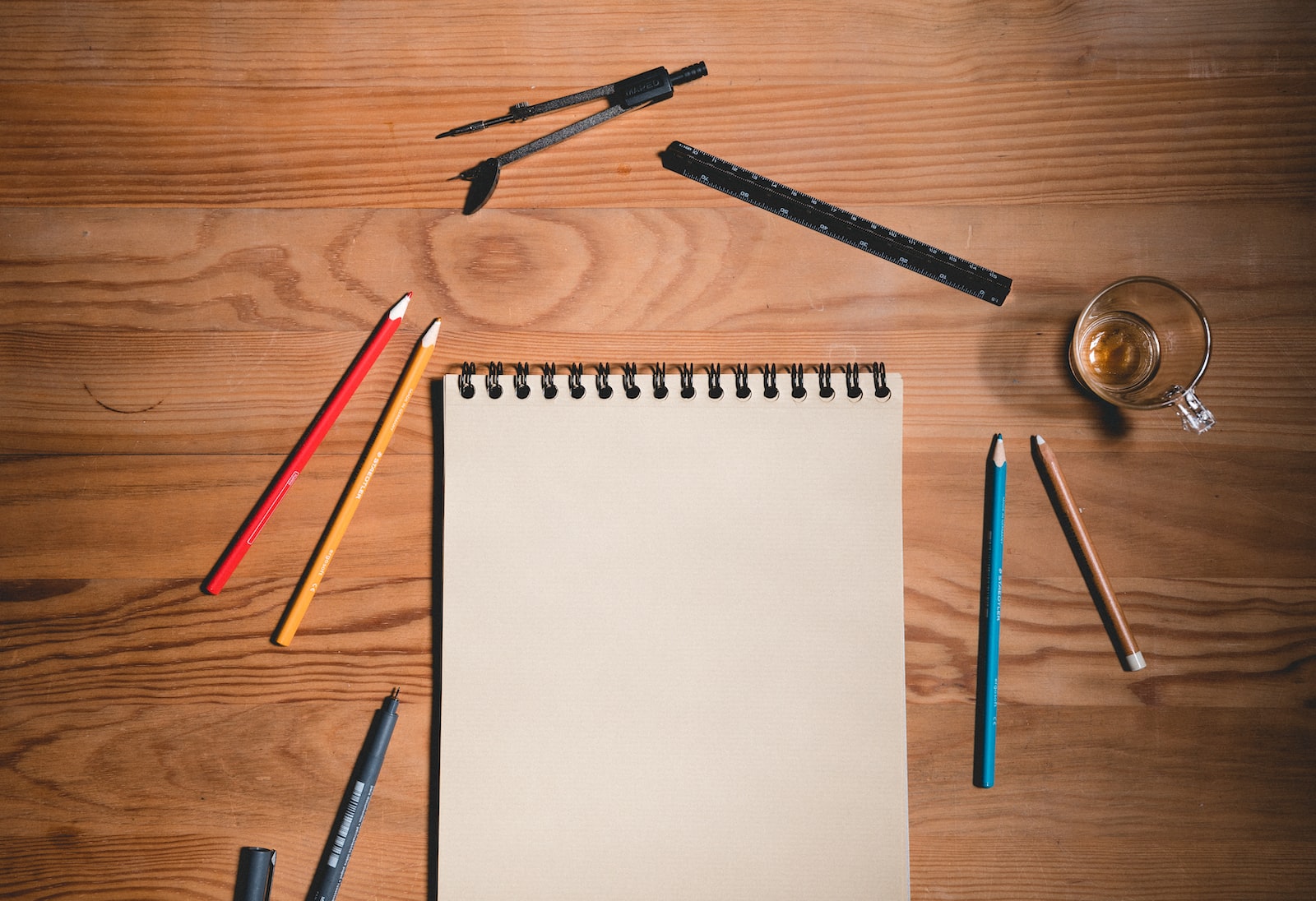
Fine lines are an important aspect of pen and ink drawings and can help to create intricate details, precise outlines, and delicate textures. To draw fine lines in pen and ink, you need to use the right tools and techniques. Here are some tips for drawing fine lines in pen and ink:
- Use the right pen: To draw fine lines, you need to use a pen with a fine tip. There are many different types of pens available that are specifically designed for drawing fine lines, such as fine-tipped markers, rapidographs, micron pens, or technical pens. Each type of pen has its own advantages and disadvantages, so it is important to experiment with different types of pens to find the one that works best for your needs.
- Hold the pen correctly: To draw fine lines, you need to hold the pen correctly. This means that you should hold the pen with a relaxed grip, using the tips of your fingers and avoiding using too much pressure. You should also try to keep your hand steady while you draw to minimize shaking and wobbling.
- Control the pressure: The pressure you apply to the pen while you draw can have a big impact on the thickness of the lines you create. To draw fine lines, you need to apply minimal pressure to the pen, allowing the ink to flow freely from the tip. You should also try to be consistent with the pressure you apply, as this will help to create a uniform line.
- Vary the line width: Fine lines do not have to be uniform in width throughout the entire drawing. By varying the line width, you can create more interesting and dynamic drawings. To vary the line width, you can use different types of pens with different nibs, or you can control the pressure that you apply to the pen while you draw.
- Use ink that flows well: To draw fine lines, you need to use ink that flows well and does not bleed or smudge. Some types of ink, such as India ink or waterproof ink, are better suited for fine line work than others. You should also consider the paper you are using, as some types of paper are better suited for fine line work than others.
- Use rulers and templates: To draw precise lines and shapes, you can use rulers and templates. These tools can help you to create straight lines, curves, and angles with accuracy, which can be particularly useful when drawing complex compositions or technical drawings.
- Practice: To develop your skills and become confident in drawing fine lines, you need to practice regularly. You can start by drawing simple shapes and lines, gradually increasing the complexity of your drawings as you become more skilled. You can also try to draw from life, copying images from books or online, or creating your own drawings from imagination.
In conclusion, drawing fine lines in pen and ink is a matter of using the right tools and techniques, and of practicing regularly. By using a fine-tipped pen, holding the pen correctly, controlling the pressure, varying the line width, using ink that flows well, using rulers and templates, and practicing regularly, you can develop your skills and create beautiful drawings with intricate details and delicate textures.


