
You’re unloading groceries, the counter is filling up, and the pan you need is buried behind three things you don’t use. A small kitchen can work well when everything is easy to see, reach, and put away.
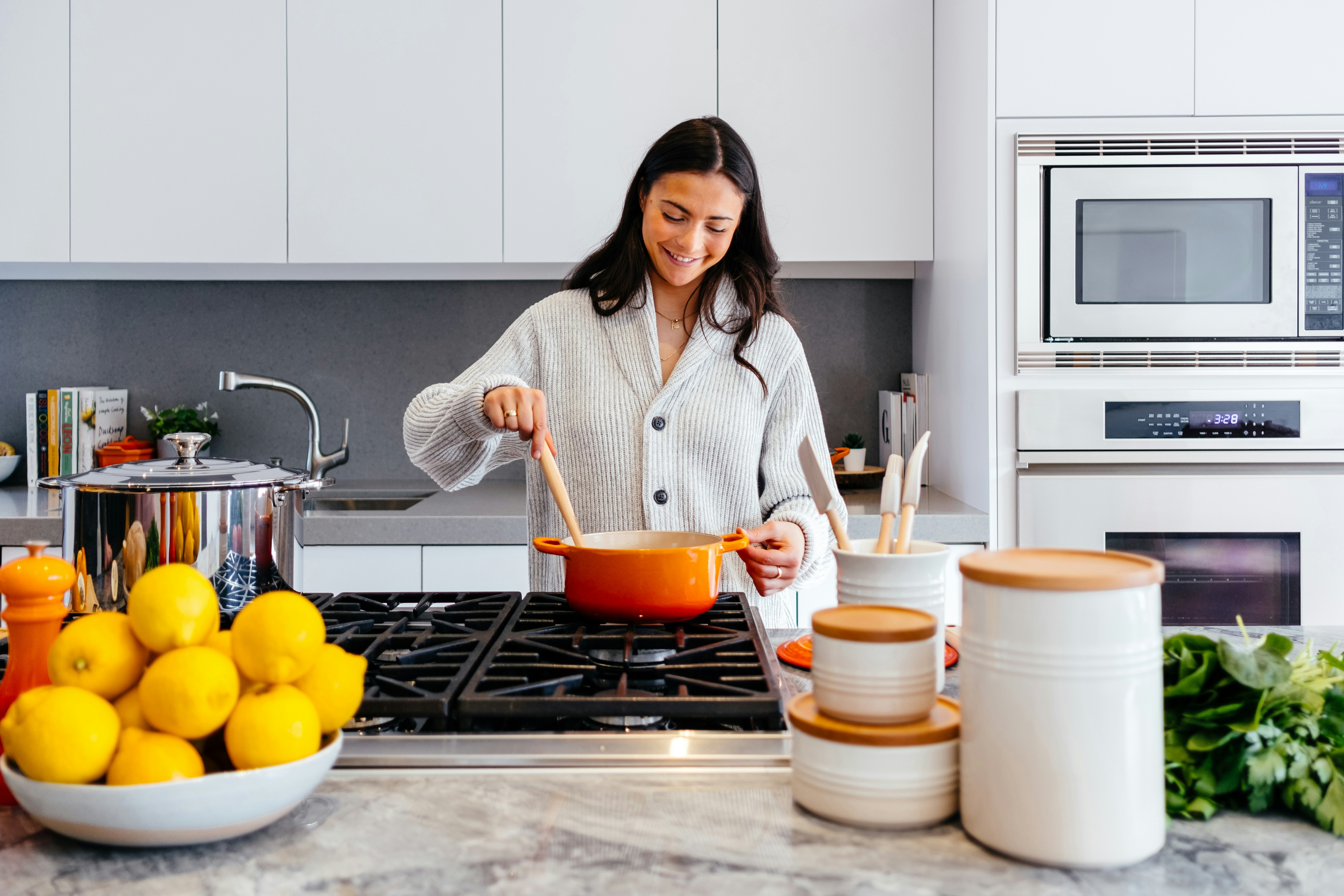
Start by clearing out what you don’t need, then group the things you keep by task. A drawer or cabinet can be its own zone, and shelf risers or an under-sink organizer may help make better use of the space you already have. Measure first, since an organizer that doesn’t fit is one more thing to store.
Begin with a quick kitchen audit, then decide where each everyday item belongs.
This post may contain affiliate links. If you make a purchase through these links, I may earn a small commission at no extra cost to you.
Key Takeaways
- Clear out rarely used items first, then group what remains by task so cooking tools, dishes, and pantry staples are easy to find.
- Give everyday items a convenient home near where you use them, and keep counters open for food prep.
- Use vertical and hidden space with shelf risers, adjustable drawer dividers, under-sink pull-out baskets, or over-door racks, all common organizer options on Amazon.
- Measure cabinets and drawers before buying, and check the NKBA kitchen planning guidelines for layout and clearance considerations.
How Does One Organize a Small Kitchen? Start With a Reset
Before you buy storage products, take stock of what you own and how you use the kitchen. Organizing means making useful items easy to find and put away, not squeezing another container into every gap.

Clear out the items that take up space without helping
Start with one cupboard or drawer. Emptying the whole kitchen at once can turn a small room into an obstacle course, so work in manageable sections. Sort each item into keep, relocate, donate, recycle, or discard groups.
Look for duplicate utensils, gadgets you never reach for, expired food, and things that belong somewhere else. That bread tie collection may be impressive, but it probably doesn’t need a drawer of its own. Wipe the empty space before returning the items you use.
Check local disposal rules before tossing food or packaging. Recycling and composting programs accept different materials, and food-soiled packaging may not belong in the recycling bin. The EPA’s composting guidance explains common options, but your local waste provider can confirm what your area accepts.
Measure shelves and notice the kitchen’s trouble spots
Before shopping, measure each cabinet’s width, depth, and height. Check the distance between shelves, too. An organizer may fit inside a cupboard but leave too little room for the plates or containers you need to store there.
As you work, notice where things get awkward. Maybe a deep cabinet hides cans behind cereal boxes, a corner shelf is hard to reach, or a narrow gap beside the refrigerator collects items with no clear home. Pay attention to counters that attract mail, snacks, or small appliances.
Try one simple change in a single cabinet before investing in a larger system. You might move everyday dishes to a lower shelf or group breakfast items together. If the new arrangement is easier to use and maintain, you have a useful clue about what the rest of the kitchen needs.
Set a realistic storage goal for the space you have
Choose a few goals that would make daily routines easier. Freeing one section of counter for food prep or keeping coffee and breakfast supplies within easy reach can make a small kitchen feel more manageable.
Give the most convenient spots to items you use often. Rarely used cookware or serving dishes can go on a higher shelf, or outside the kitchen if you have another safe place to store them. You don’t need a pantry or a matching set of containers to get organized. Start with the space you have, and give each useful item a home you can reach and return it to.
Build a Small-Kitchen Layout Around Everyday Tasks
A useful small-kitchen layout follows the way you move through the room. Grouping items by task can save steps during breakfast, cooking, and cleanup, and it makes it easier to put things back where they belong. The National Kitchen & Bath Association’s kitchen planning guidelines cover activity centers and functional storage, but your zones should fit your routine, not a fixed design rule.

Group the tools and ingredients you use together
Think about what you reach for during one task, then store those items near each other. Keep mugs, coffee, and filters near the coffee maker. Place cooking utensils, potholders, and the oils or spices you use most near the stove, while keeping baking tools and ingredients together in a cabinet or drawer.
If you unload the dishwasher and put dishes away often, storing plates and glasses near the sink or dishwasher can shorten that routine. The closest cabinet may not be available, and that’s fine. A practical zone is one that cuts unnecessary steps without blocking another task.
Keep daily essentials within easy reach
Use the shelves and drawers you can reach comfortably for everyday dishes, utensils, and pantry staples. A low drawer might hold breakfast bowls and spoons; a nearby shelf could keep cereal or snacks easy to grab. High shelves work better for light items you use occasionally, such as seasonal serving pieces.
Heavy pots and breakable dishes are awkward to lift when you have to stretch or reach over other items. Keep them at a comfortable height, especially if children use the kitchen. Their needs and abilities can change, so the best spot for cups or snacks may change too.
Give counters a job instead of letting them become storage
Keep only the appliances and tools you use regularly on the counter, perhaps a coffee maker or toaster. Leave a clear area for chopping, mixing, or setting down a hot pan. If there’s room, a small landing spot near the entrance can hold groceries or keys, but it shouldn’t take over your prep space.
A clear counter is useful working space, not a demand for a spotless, unused kitchen. When each surface has a purpose, it’s easier to notice what belongs elsewhere and make room for the next meal.
Make Cabinets, Drawers, and Pantry Shelves Easier to Use
A well-organized cabinet lets you see what you own without moving half the shelf. You can improve access with simple add-ons, but measure first and check each shelf’s weight capacity before installing or buying anything.

Bring items at the back of deep cupboards within reach
Cans and jars often disappear in deep cupboards, then turn up when you’re looking for something else. A pull-out tray or removable basket brings them forward, so you can check what you have and lift out what you need without shifting the front row.
A turntable can help with small bottles or jars, especially in a corner cabinet. It works best on a level shelf, with items that fit securely and won’t tip when the tray rotates. Products such as the YouCopia Crazy Susan with removable bins are sold on Amazon; compare the organizer’s dimensions with your shelf before ordering. Check that the shelf can support the organizer and its contents, too.
Use drawer dividers and inserts to stop small items from piling up
Utensils, cooking tools, and flatware are easier to find when each group has its own space. Adjustable dividers can fit different drawer widths, while a spice insert can angle jars in a shallow drawer so their labels stay visible. These organizers are widely available on Amazon, along with non-slip drawer liners that can help keep items from sliding around.
Don’t force every compartment to match a product photo. Adjust the sections to fit the drawer and the tools you actually use. If a divider leaves awkward gaps or makes the drawer hard to close, a simpler arrangement will work better.
Make pantry food visible and easy to rotate
Group pantry items by type or use, such as breakfast foods, baking supplies, snacks, or pasta and grains. Clear, lidded containers make it easier to see what’s inside and how much remains, but original packaging is fine when it fits neatly and keeps food sealed.
If you transfer dry goods, label the contents and keep useful date information from the original package. The USDA’s food product dating guidance explains what package dates mean. For oils and sauces, use a basket with a washable surface; it keeps bottles together and makes shelf spills easier to clean.
Add Small-Kitchen Storage Without Losing Useful Space
When cabinets are full, look beyond the shelves you already use. Vertical storage, narrow gaps, and a slim cart can help, as long as they don’t crowd your work surface or block the way through the kitchen.

Use vertical space and overlooked gaps
Shelf risers create another level for mugs, bowls, or pantry cans, while an under-shelf basket can hold wraps or lightweight items. Hooks inside a cabinet or on a rail can free up drawer space for measuring cups and utensils. These renter-friendly options are easy to remove, though adhesive products still need a clean, suitable surface and must be used as directed.
A narrow pull-out beside the refrigerator can make a slim gap useful for spices, cans, or oils, if the opening and door swing allow it. Open shelves also work for things you reach for often, but they need regular tidying and collect dust. If visible storage feels like one more chore, closed cabinets may suit your household better.
Measure the space before buying organizers. For mounted shelves or rails, check the installation instructions and make sure the wall or cabinet can support the setup. The Home Depot’s cabinet installation guide offers a starting point for installed storage, but renters should check their lease before drilling.
Choose a cart or extra shelf only if it fits the workflow
A slim rolling cart or freestanding shelf can help when cabinets are scarce or absent. The SPACEKEEPER Slim Rolling Storage Cart and SONGMICS 3-Tier Utility Cart are examples you can find on Amazon. Give the cart one clear job, such as holding baking supplies or dry goods, instead of letting it become a landing spot for anything without a home.
Check that it doesn’t block a walkway, cabinet door, or appliance. If it sits in a work aisle, make sure there’s still comfortable room to cook and move around. A cart can be rolled out when needed, but if it’s always in the way, the extra storage isn’t helping.
Store appliances by how often they are used
Keep everyday appliances, such as a toaster or coffee maker, accessible. Move occasional-use equipment to a suitable cupboard or another storage area, but don’t put heavy appliances on high shelves where lifting them down could be awkward.
Before storing or using an appliance in a cabinet, follow its manual for ventilation and placement. Requirements vary by model; GE’s clearance guidance directs owners to the appliance’s specific installation instructions. A shelf or cabinet that looks roomy may still be unsuitable for an appliance that needs airflow.
Pick Kitchen Organizers That Fit, Including Amazon Finds
An organizer earns its space when it solves a specific problem and fits the spot you have. Amazon has plenty of options, but a simple basket or an empty box you already own may do the same job for less.

Match each product to a specific storage problem
Clear, airtight food containers can keep dry goods together and make it easier to see what’s left. Expandable drawer dividers can separate crowded utensils without taking up another cabinet. An under-shelf basket uses the space below a shelf for lightweight items, while a two-tier turntable can keep small jars visible in a deep cupboard.
For cookware, an adjustable pot-lid organizer can keep lids upright instead of stacked in a noisy pile. A narrow rolling cart may fit a gap beside a cabinet or refrigerator, provided it doesn’t block a door or walkway. Search Amazon for these product types, then compare the dimensions and features with your actual storage problem. Listings, prices, materials, and availability can change, so treat them as options rather than endorsements.
Before buying, try a box or basket you already have. If it keeps packets together or makes a shelf easier to use, you may not need a specialized organizer at all.
Check measurements, materials, and cleaning needs before buying
Measure the usable width, depth, and height of the shelf, drawer, or gap. Leave room for handles, hinges, plumbing, and doors to open. A cart that fits the gap when parked may still obstruct the kitchen when you pull it out, and a divider can make a drawer difficult to close if it’s too tall.
Check how the organizer should be cleaned and whether it stays stable with the items you plan to store. For food containers, review the manufacturer’s material and care instructions, including any limits on washing, temperature, or use. The FDA’s food-contact packaging guidance explains how materials that touch food are regulated, but the care directions for a specific container still come from its manufacturer.
A low-cost organizer that fits and is easy to clean may be more useful than a pricier one with extra features you won’t use.
Keep the Organization Safe and Easy to Maintain
A small kitchen stays useful when storage is easy to reach, easy to clean, and simple to adjust. Leave a little room for groceries and daily tasks; a system packed to the edges can become cluttered again by tomorrow.

Avoid the storage habits that create new clutter
Measure shelves and drawers before buying organizers. A bin that blocks a cabinet door or leaves no room for the items you use is just clutter with better manners. And while matching containers can look tidy, decanting every food for appearance takes time. Keep items in their original packaging when it works, and transfer only what helps you store or use them.
Avoid stacking dishes or pantry goods so high that you have to stretch or move several things to reach one. Keep only the appliances you use often on the counter, and leave a clear patch for food prep. Labels help when you can read them at a glance and update them when contents change. A small open area on a shelf or counter gives new groceries and everyday tasks somewhere to go.
Use a short reset to keep the kitchen working
Once a week, take a few minutes to return stray items to their usual zones, wipe shelves, and group similar foods. Notice anything nearing its use-by or best-before date so it doesn’t get buried behind newer groceries. USDA explains that “Best if Used By” generally refers to quality, while “Use-By” is not a safety date except for infant formula. Check the USDA’s food date-labeling guidance if a label leaves you unsure.
If putting something away feels awkward, adjust its home. The arrangement should fit the people who use the kitchen and the way they cook now. A change in household routines may mean moving mugs, snacks, or cookware to a more convenient spot.
Check stability and safe access as you make changes
Follow each organizer’s instructions, including its weight limit, and don’t overload shelves or rolling carts. Secure wall-mounted storage with hardware suited to the wall and the product. If you’re unsure what’s behind a wall or how to install a shelf securely, ask a qualified installer rather than guessing. Home Depot’s shelf-hanging guide covers basic installation considerations.
Keep heavy cookware and breakable dishes at heights you can reach without stretching or lifting over your head. Place oils and sauces in a washable tray, so a leak doesn’t turn into a shelf-wide cleanup. A brief weekly reset is enough to catch spills, unstable stacks, and storage choices that no longer make daily life easier.
Frequently Asked Questions
Small kitchens tend to raise the same practical questions: where to add storage, what belongs within reach, and how to keep shelves from becoming a jumble. A few small choices can make everyday items easier to find without crowding the room.

How can I add kitchen storage without adding cabinets?
Make use of vertical space with hooks, a rail, or an under-shelf basket for lightweight items. A slim cart can hold pantry goods or baking supplies where it fits, but keep counters and walkways clear so the extra storage doesn’t make the kitchen harder to use.
What is the best way to organize a deep kitchen cupboard?
Removable baskets or a properly sized pull-out tray can bring items at the back within reach. Group similar things together, such as cans, snacks, or baking supplies, so you can find what you need without shifting everything in front.
Are clear containers better than original food packaging?
Clear, lidded containers make it easy to see what’s inside and how much is left. Original packaging may be more useful for cooking instructions and date information, so keep it when it fits your shelf; if you transfer food, add a clear label and retain relevant package details.
Where should spices go in a small kitchen?
A shallow drawer insert works well when drawer space is available; a reachable shelf or turntable can suit a cabinet instead. Keep labels visible and choose a spot near your usual cooking area, rather than storing spices wherever an empty gap happens to be.
How do I organize oils and sauces without making a mess?
Group bottles in a removable, easy-to-clean basket or tray, then check it now and then for drips. Keep the group somewhere reachable that suits your cooking routine, such as near the stove if you use those bottles often.
What should I store on high shelves?
Use high shelves for light items you reach for less often, such as seasonal serving pieces. Keep heavy or fragile items within easy reach, and consider household members’ height, mobility, and safety needs; the CPSC’s childproofing guidance also recommends securing cabinets that contain household cleaners.
Conclusion
A small kitchen is easier to use when the things you reach for have sensible homes near the tasks you do every day. Keep the arrangement simple enough to maintain, and adjust it when your routine changes.
You don’t need a perfect makeover or a big budget. Pick one frustrating drawer, cabinet, or counter area, make a small change, and keep what works.


