
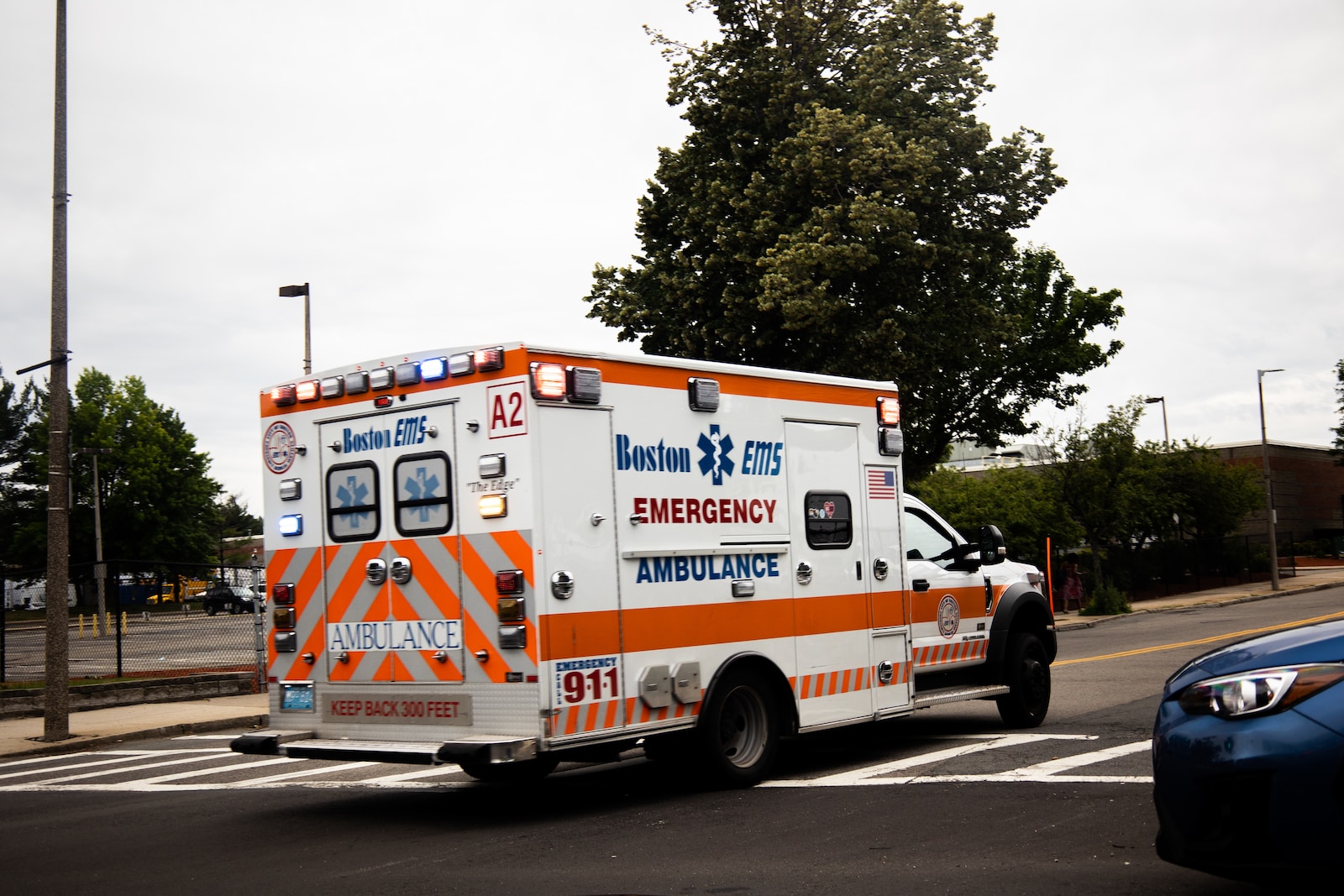
Infection control is a critical aspect of providing safe and effective care in the field of emergency medical services (EMS). EMS professionals encounter various infectious diseases and must take proactive measures to prevent the spread of infections to patients, themselves, and the community. This article will discuss essential steps and strategies to ensure proper infection control practices in EMS.
Ensuring Proper Infection Control Practices in Emergency Medical Services
1. Personal Protective Equipment (PPE)
The use of appropriate personal protective equipment is crucial to prevent the transmission of infections:
- Wear gloves, masks, goggles, and gowns as necessary to protect against contact with bodily fluids, aerosols, and other potentially infectious materials.
- Ensure that PPE is properly fitted, worn consistently, and disposed of appropriately after each patient encounter.
- Follow established protocols for donning and doffing PPE to minimize the risk of contamination.
2. Hand Hygiene
Proper hand hygiene is one of the most effective ways to prevent the spread of infections:
- Wash hands with soap and water for at least 20 seconds before and after patient contact, after removing gloves, and after handling contaminated equipment.
- Use alcohol-based hand sanitizers with at least 60% alcohol when soap and water are not readily available.
- Avoid touching the face, mouth, or eyes with potentially contaminated hands.
3. Disinfection and Cleaning
Thorough disinfection and cleaning of equipment and surfaces are essential in preventing the transmission of infections:
- Clean and disinfect equipment, such as stretchers, monitors, and diagnostic tools, according to manufacturer guidelines and recommended disinfectants.
- Regularly clean and disinfect commonly touched surfaces in EMS vehicles, including door handles, steering wheels, and equipment compartments.
- Properly handle and dispose of biohazardous waste, such as used needles, sharps, and soiled dressings, following established protocols.
4. Respiratory Hygiene and Cough Etiquette
Promoting respiratory hygiene and cough etiquette helps prevent the spread of respiratory infections:
- Educate patients and bystanders about covering their mouth and nose with a tissue or elbow when coughing or sneezing.
- Encourage patients to wear masks if they have respiratory symptoms or suspect they have an infectious disease.
- Practice proper respiratory hygiene and cough etiquette as EMS professionals, covering the mouth and nose when coughing or sneezing.
5. Vaccinations
Maintaining up-to-date vaccinations is crucial for EMS professionals to protect themselves and prevent the spread of vaccine-preventable diseases:
- Ensure that all EMS staff are vaccinated according to recommended schedules, including influenza, hepatitis B, and other vaccines as appropriate.
- Keep accurate records of staff vaccinations and facilitate access to necessary immunizations.
6. Education and Training
Providing comprehensive education and training on infection control practices is essential for EMS professionals:
- Offer regular training sessions on proper PPE usage, hand hygiene, disinfection protocols, and respiratory hygiene.
- Stay updated on the latest infection control guidelines and best practices through continuing education and professional development opportunities.
7. Communication and Reporting
Effective communication and reporting are vital to identify and manage infectious diseases within the EMS system:
- Establish protocols for reporting and documenting potential exposures, infectious disease cases, or outbreaks.
- Collaborate with local public health agencies to facilitate timely reporting and implement appropriate measures for disease control and prevention.
Conclusion
Ensuring proper infection control practices is paramount in emergency medical services to protect patients, EMS professionals, and the community from the spread of infections. By implementing measures such as using PPE, practicing hand hygiene, disinfecting equipment, promoting respiratory hygiene, and maintaining vaccinations, EMS professionals can significantly reduce the risk of infection transmission. Continuous education, communication, and adherence to established protocols are essential for maintaining a safe and effective EMS environment.


