
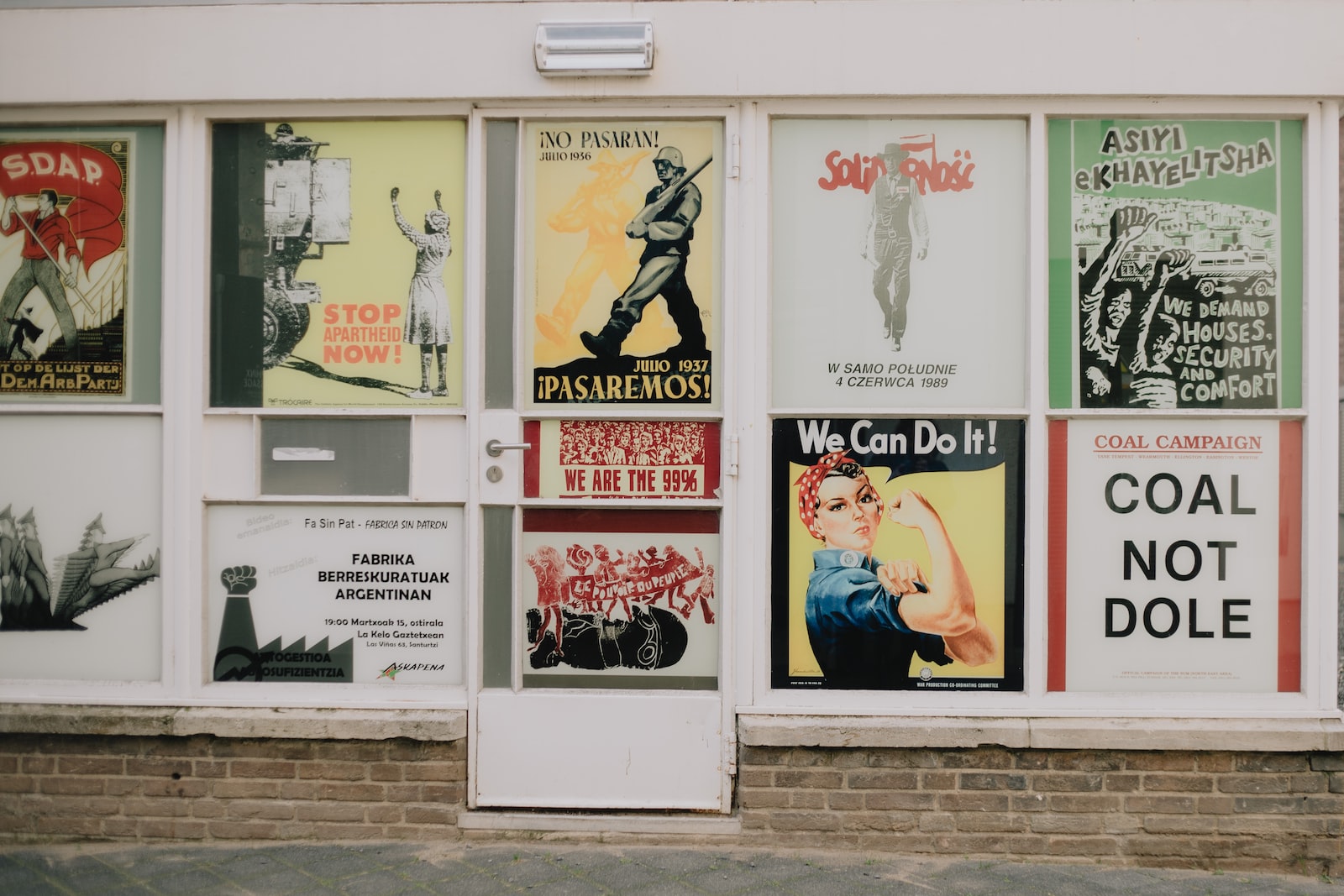
Understanding the influence of media and propaganda on historical events and outcomes is a critical aspect of studying history. It is essential to consider how information was communicated and the motivations behind it, to gain a complete understanding of the events and their impact.
One of the first steps in evaluating the influence of media and propaganda on historical events is to identify the sources of information. This includes both primary sources, such as newspapers, government documents, and letters, as well as secondary sources, such as historical books, articles, and documentaries. It is important to consider the perspectives of the sources and the agendas they may have had, as this can significantly impact the accuracy and interpretation of the information they present.
Once sources have been identified, it is crucial to examine the content and style of the information presented. Propaganda is often characterized by the use of biased language, oversimplification of complex issues, and the selective presentation of facts. It may also use emotional appeals, such as fear or patriotism, to influence the opinions of its audience. It is essential to identify these tactics and understand how they were used to sway public opinion.
Another aspect of evaluating the influence of media and propaganda on historical events is to consider the context in which the information was presented. This includes understanding the social, political, and economic climate of the time and how it may have influenced the motivations of those producing the information. It is also important to consider the audience and their level of education, cultural background, and exposure to different perspectives, as this can impact how they received and interpreted the information.
It is also necessary to consider the long-term impact of media and propaganda on historical events. In some cases, propaganda may have played a significant role in shaping public opinion and influencing the outcome of events, while in other cases, its impact may have been limited. Understanding the role of propaganda in shaping public opinion and government decisions is crucial to understanding the events of the past and their impact on the present.
In conclusion, evaluating the influence of media and propaganda on historical events requires a comprehensive and critical approach. This involves identifying sources, examining content and style, considering context, and assessing the long-term impact of information. By considering these factors, it is possible to gain a more nuanced understanding of the events of the past and the motivations behind them.


