
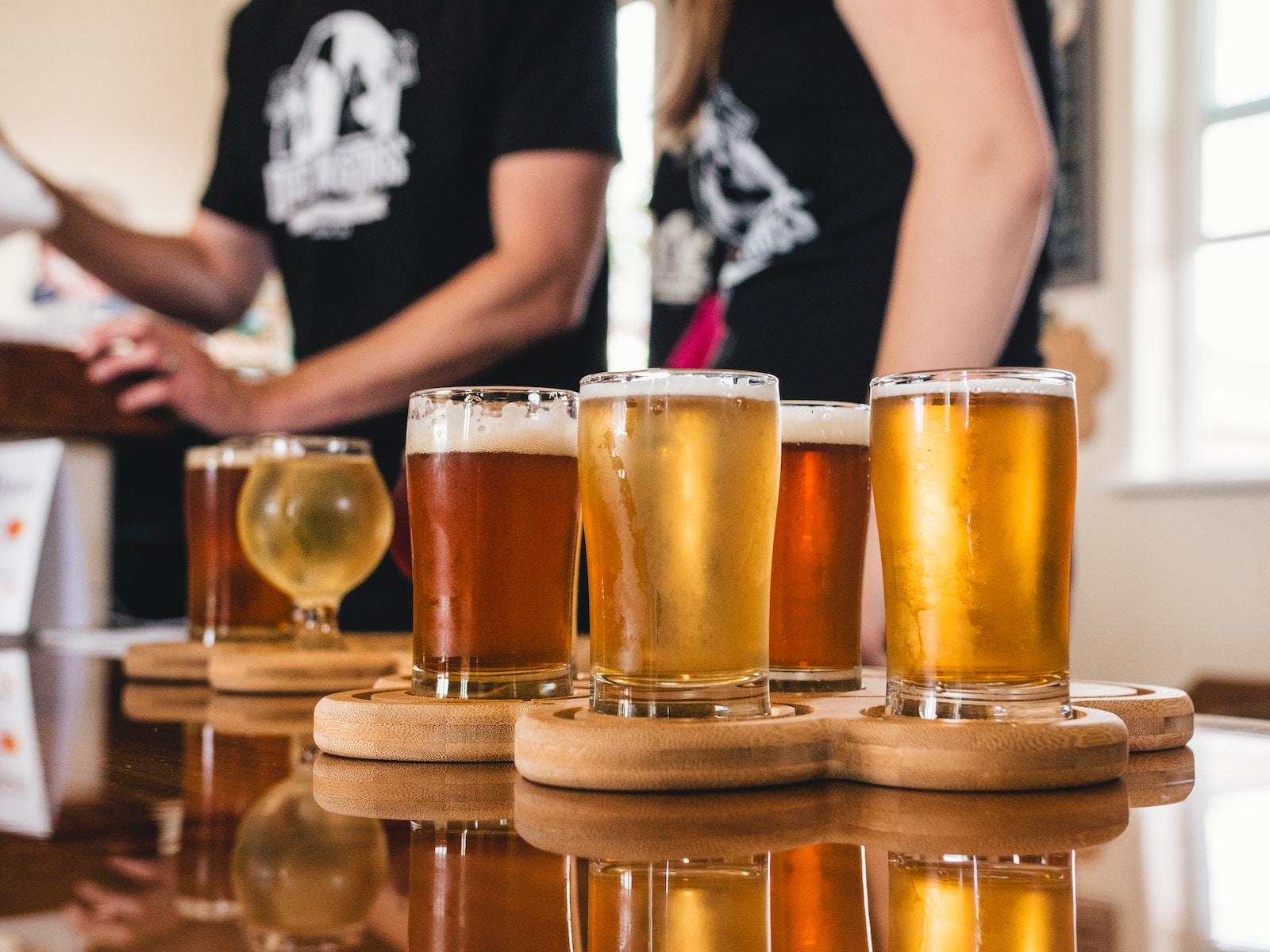
Craft brewing has gained immense popularity in recent years, and with it, the demand for unique beer recipes has increased. To meet this demand, brewers experiment with different ingredients and techniques to create innovative and distinctive flavors. Whether it is through the use of unconventional ingredients, experimental brewing methods, or by blending traditional brewing styles, the possibilities are endless.
Experimenting with Ingredients and Techniques to Develop Unique Beer Recipes
Ingredients
The key to developing unique beer recipes lies in selecting the right ingredients. Brewers can experiment with a range of ingredients to add unique flavors and aromas to their beers. Here are some examples:
Herbs and Spices: Adding herbs and spices to beer can add a range of unique flavors, such as cinnamon, ginger, coriander, and cardamom. These ingredients can be added to the boil, fermentation, or during conditioning to create different flavor profiles.
Fruits and Vegetables: Brewers can also experiment with adding fruits and vegetables to their beer. Examples include raspberries, peaches, blueberries, pumpkin, and jalapenos. The addition of fruits and vegetables can create a refreshing and fruity flavor profile in the beer.
Barrel-Aged Ingredients: Aging beer in barrels that previously held wine, bourbon, or other spirits can add complex flavors and aromas to the beer. Barrel-aging can add flavors such as vanilla, oak, and whiskey to the beer, creating a unique taste that cannot be replicated in any other way.
Techniques
In addition to using unique ingredients, brewers can also experiment with different brewing techniques to create unique beer recipes. Some techniques that can be used to create unique beer recipes are as follows:
Souring: Souring is a process that involves adding bacteria to the beer to create sour flavors. The souring process can be done during fermentation or conditioning and can create a range of unique flavor profiles.
Dry-Hopping: Dry-hopping involves adding hops to the beer after the boil and during fermentation or conditioning. This process can add a range of flavors and aromas to the beer, such as citrus, floral, and earthy notes.
Blending: Blending is a technique that involves mixing different batches of beer to create a unique flavor profile. This technique is commonly used in the production of sour beers, where different batches of aged beer are mixed to create a complex flavor profile.
Experimenting with Recipes
When it comes to experimenting with beer recipes, there is no right or wrong way to go about it. However, there are a few tips that can help brewers create unique beer recipes. These include:
Keep Good Records: When experimenting with different ingredients and techniques, it is important to keep detailed records of the process. This will help brewers recreate successful recipes and avoid repeating mistakes.
Start Simple: When starting to experiment with beer recipes, it is best to start with a simple recipe and make small changes to the ingredients or techniques used. This will help brewers understand the impact of each change on the flavor profile of the beer.
Be Patient: Experimenting with beer recipes can be a time-consuming process. It can take multiple batches to get the recipe right. It is important to be patient and not rush the process.
Conclusion
In conclusion, the process of experimenting with different ingredients and techniques to develop unique beer recipes is an exciting journey that requires a lot of creativity and willingness to learn. There are countless possibilities when it comes to creating new beer recipes, and the only limit is one’s imagination. By understanding the basic principles of brewing and exploring different ingredients and techniques, brewers can develop unique and delicious beers that stand out from the crowd. It’s important to keep in mind that not every experiment will result in a successful beer, and that’s okay. Trial and error is a necessary part of the process, and learning from mistakes is how brewers can continue to improve and refine their craft. With patience, passion, and a willingness to take risks, anyone can create a truly unique and delicious beer recipe.


