
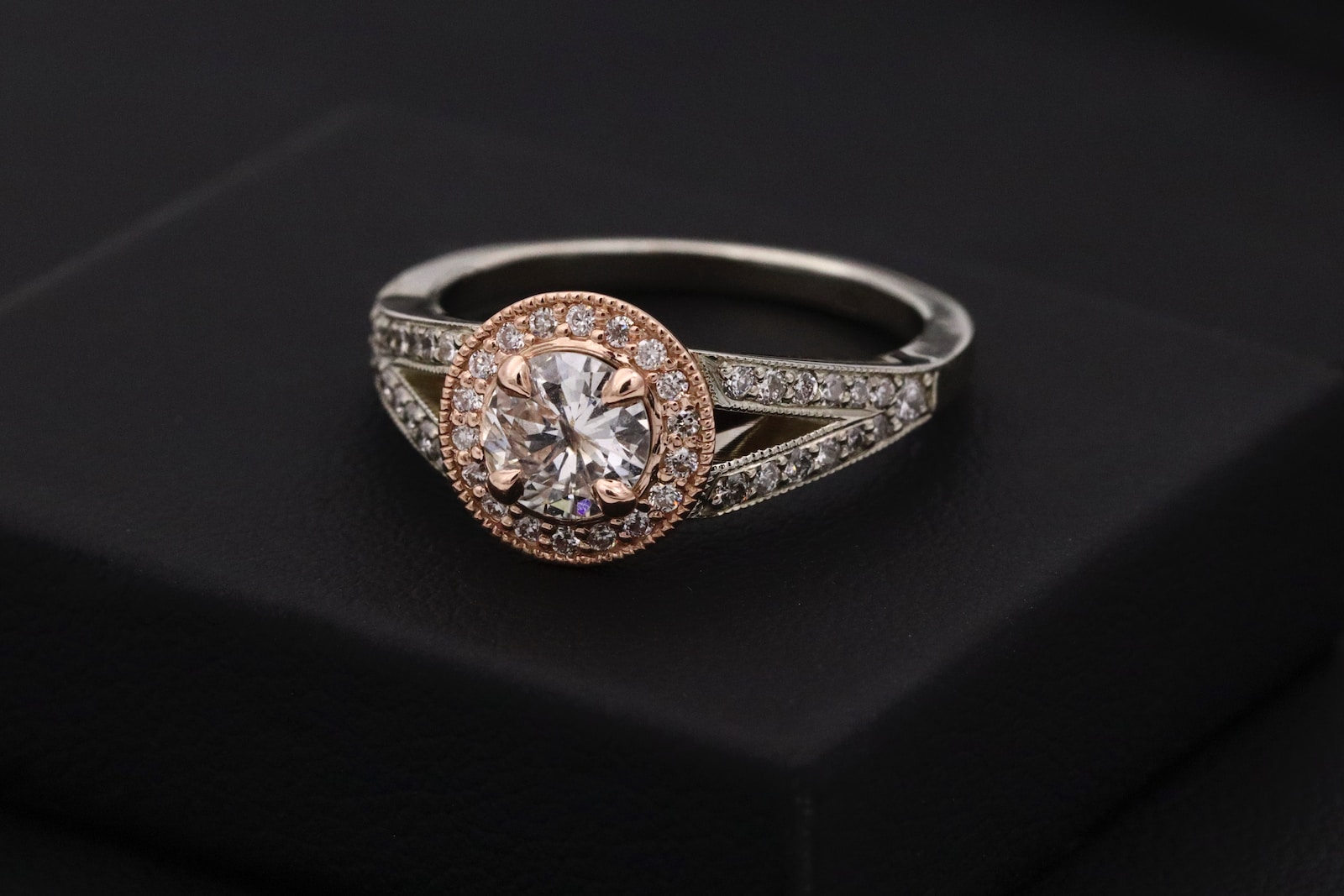
Antique jewelry is often cherished for its unique design, history, and the memories associated with it. When considering whether to restore or leave antique jewelry in its original condition, there are several factors to consider. While restoration can improve the overall appearance of the piece, it can also have a negative impact on its value and authenticity.
Assess the Condition
Before deciding whether to restore antique jewelry, it is important to assess its condition. Some signs of wear and tear are to be expected with age, but damage or alterations that impact the structural integrity of the piece can greatly affect its value. Scratches, dents, and missing gemstones can often be repaired, but extensive damage to the metalwork or significant alterations may require more extensive restoration.
Consider the Provenance
The provenance or history of the piece can also be a determining factor in whether to restore it or leave it in its original condition. If the piece has a significant historical or cultural value, it may be best to preserve it in its original condition. Altering or restoring the piece could potentially damage its authenticity and reduce its value. Additionally, if the piece has sentimental value or has been passed down through generations of a family, it may be more important to keep it in its original condition to maintain its connection to the past.
Evaluate the Rarity and Collectibility
Another important factor to consider is the rarity and collectibility of the piece. If the piece is rare or one-of-a-kind, it may be more valuable in its original condition. The unique design, gemstones, and craftsmanship can be highly desirable to collectors, and any alterations or restorations could potentially detract from its value. However, if the piece is not particularly rare or collectible, restoration may be a viable option to improve its appearance and wearability.
Consult with Experts
If you are uncertain about the value or authenticity of the piece, it is important to consult with experts in the field. Antique dealers, appraisers, and restoration specialists can provide valuable insight into the history and condition of the piece, as well as the potential impact of restoration. They can also advise on the best course of action for preserving the piece and maximizing its value.
Weigh the Costs
Finally, the cost of restoration should be taken into consideration. Restoration can be expensive, and it is important to weigh the potential benefits against the costs. If the piece has sentimental value or is an important family heirloom, restoration may be worth the investment. However, if the piece is not particularly valuable or collectible, it may be more cost-effective to leave it in its original condition.
In conclusion, deciding whether to restore or leave antique jewelry in its original condition requires careful consideration of several factors, including the condition of the piece, its provenance, rarity and collectibility, and the costs of restoration. It is important to consult with experts in the field and weigh the potential benefits and drawbacks of restoration before making a decision. Ultimately, the decision should be based on a balance of preserving the piece’s authenticity and maximizing its value, while also considering the sentimental and emotional value it may hold.


