
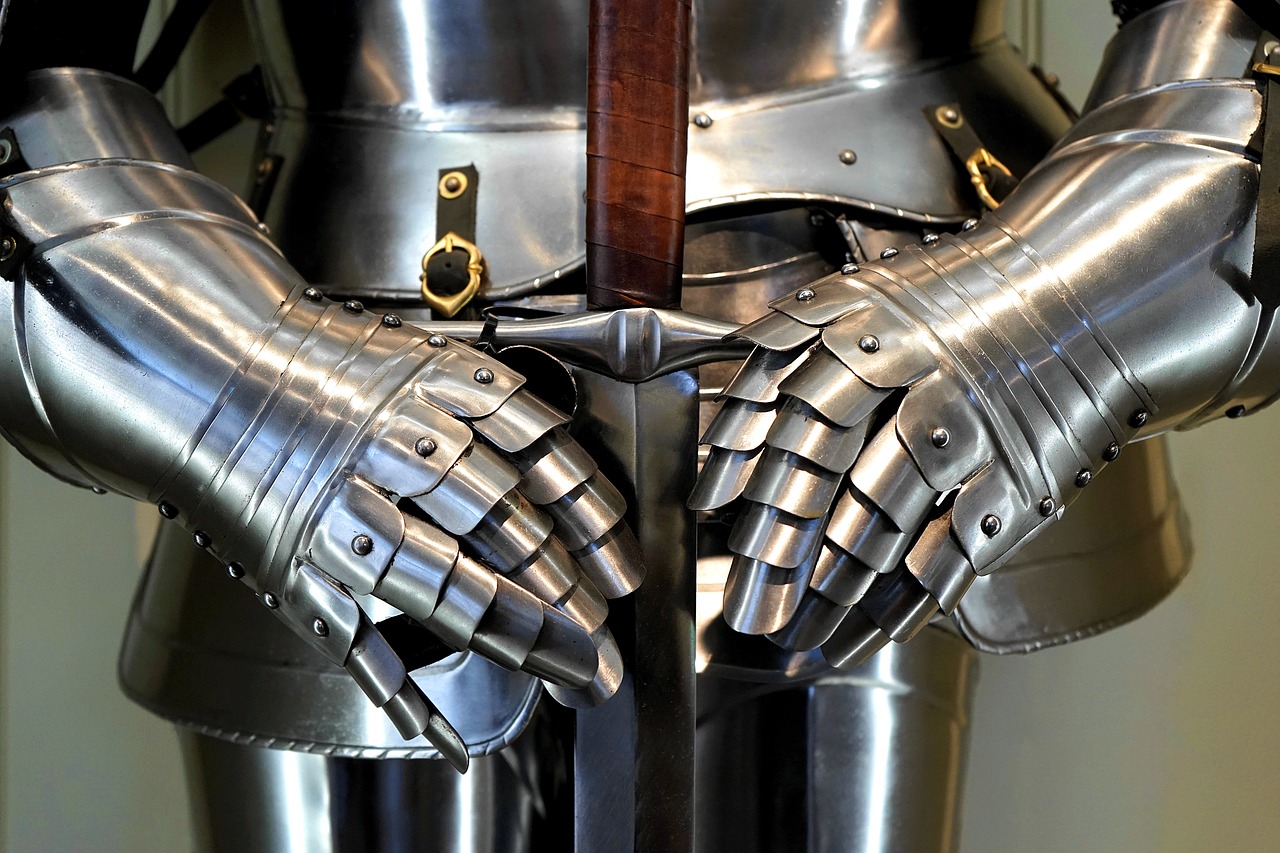
Identifying the age and origin of antique swords and blades is a captivating endeavor that allows collectors, historians, and enthusiasts to delve into the rich history and craftsmanship of these remarkable weapons. Through careful examination and research, it is possible to unlock the mysteries surrounding these ancient artifacts. This comprehensive guide will provide you with valuable insights and techniques to help you identify the age and origin of antique swords and blades.
How Does One Identify the Age and Origin of Antique Swords and Blades?
1. Study the Blade Shape and Design
The shape and design of the blade can offer clues about the age and origin of an antique sword. Different regions and time periods have distinct blade profiles and styles. Study the curvature, width, length, and cross-sectional shape of the blade, as well as the presence or absence of fullers (grooves) and ricassos (flat sections near the hilt). Compare these features to known examples and reference materials to narrow down the potential age and origin of the sword.
2. Analyze the Hilt and Handle
The hilt and handle of an antique sword provide valuable information about its age and origin. Examine the materials used, such as wood, bone, ivory, or metal, and assess their condition and craftsmanship. Look for specific characteristics, such as the shape of the pommel, the design of the guard, and the presence of decorative elements or inscriptions. These details can indicate the cultural influences and craftsmanship prevalent during a particular period or in a specific region.
3. Inspect the Blade Markings and Signatures
Blade markings and signatures can provide significant clues about the age and origin of an antique sword. Look for engraved or stamped markings, symbols, or signatures on the blade, near the hilt or along the fuller. These may include the manufacturer’s mark, the swordsmith’s signature, or other identifying symbols. Research and compare these markings to known examples or reference materials to determine their significance and authenticity.
4. Research Historical Documentation and Provenance
If available, research historical documentation and provenance associated with the antique sword. This can include letters, certificates, or records that trace the sword’s ownership, history, or previous collections. Look for information about the sword’s origin, previous owners, and any notable events or historical figures associated with it. These documents can provide valuable insights into the age, origin, and historical significance of the sword.
5. Seek Expert Opinion and Consult Specialists
When dealing with complex or rare antique swords, seeking the opinion of experts and consulting specialists is highly recommended. Experts in the field of antique arms and armor possess extensive knowledge and experience in identifying the age and origin of swords. They can offer valuable insights, assess the craftsmanship and materials, and provide context based on historical records and comparative analysis. Collaborate with reputable appraisers, museum curators, or experienced collectors to gain further expertise and guidance.
6. Use Carbon Dating and Scientific Techniques
For particularly ancient swords, scientific techniques such as carbon dating can be employed to determine the approximate age of the weapon. Carbon dating analyzes the amount of carbon-14 remaining in organic materials, providing an estimate of when the material was last alive. While not applicable to all swords, this method can be utilized in cases where organic components, such as wooden handles or leather scabbards, are present.
7. Compare to Known Examples and Reference Materials
Comparing the antique sword to known examples and reference materials is a fundamental aspect of identifying its age and origin. Study books, catalogs, online resources, and museum collections featuring swords from the same period or region. Analyze the similarities and differences in terms of blade shape, hilt design, materials, and markings. This comparative analysis can help narrow down the potential age and origin of the sword.
8. Consider Cultural and Historical Context
When identifying the age and origin of an antique sword, it is essential to consider the cultural and historical context of the weapon. Understand the historical events, conflicts, and influences that shaped the production and use of swords during specific periods and in various regions. This knowledge will enhance your understanding of the sword’s age and origin, as well as the cultural significance behind its design and craftsmanship.
Conclusion
Identifying the age and origin of antique swords and blades requires a multidimensional approach that combines meticulous examination, research, consultation with experts, and comparative analysis. By studying the blade shape and design, analyzing the hilt and handle, inspecting blade markings and signatures, researching historical documentation, seeking expert opinion, using scientific techniques where applicable, comparing to known examples, and considering the cultural and historical context, you can unravel the fascinating stories behind these captivating weapons and gain a deeper appreciation for their historical significance.


