
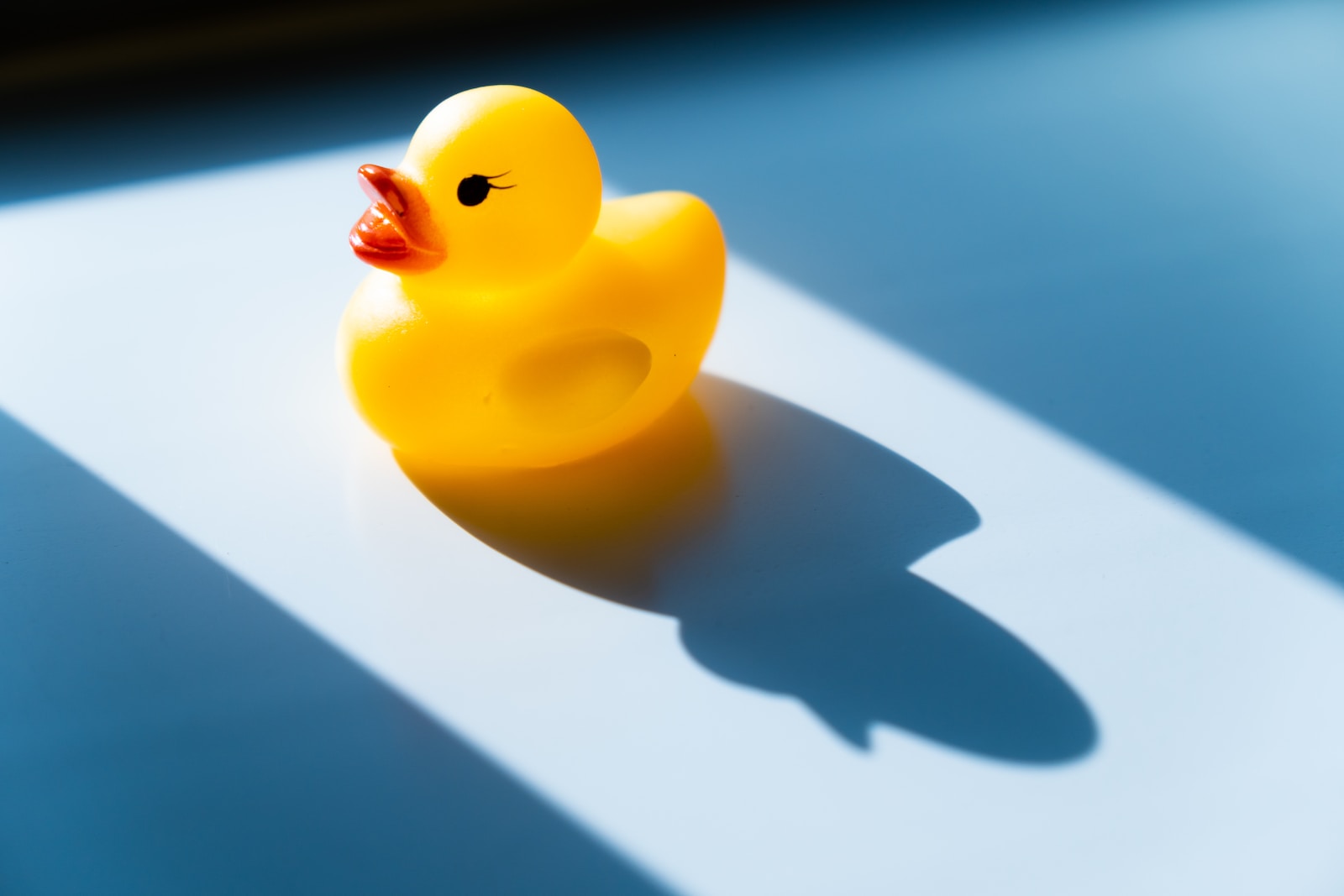
When it comes to musical composition, the possibilities are endless. Musicians and composers often seek unique sounds to add novelty and creativity to their compositions. In this article, we will delve into the fascinating realm of incorporating the sound of a rubber duck into a musical composition. This unconventional approach can add a playful and whimsical touch to your music. Let’s explore how you can integrate the delightful quack of a rubber duck into your musical masterpiece.
Exploring the Quirky: Incorporating the Sound of a Rubber Duck into a Musical Composition
1. Discovering the Sonic Potential
The first step in incorporating the sound of a rubber duck into your composition is to explore its sonic potential. Spend some time experimenting with the rubber duck and familiarize yourself with the various sounds it can produce. Squeeze it gently to create a quacking sound or submerge it in water to produce bubbles and splashes. Take note of the different nuances and tonal variations that can be achieved.
2. Recording the Rubber Duck Sounds
Once you are familiar with the range of sounds the rubber duck can produce, it’s time to capture them in a recording. Set up a high-quality microphone and create a suitable recording environment. For the quacking sounds, you can manipulate the rubber duck manually while recording to achieve variations in pitch and intensity. To capture water-related sounds, consider using a waterproof microphone or placing the microphone strategically near the water source. Experiment with different recording techniques to capture the desired textures and qualities of the rubber duck’s sounds.
3. Incorporating Rubber Duck Sounds into the Composition
With the rubber duck sounds successfully recorded, it’s time to integrate them into your musical composition. Start by identifying the sections or moments in your composition where the rubber duck sounds would complement the overall mood and theme. For example, you may choose to use the rubber duck’s quacking sound as a whimsical accent in a playful chorus or bridge.
4. Sound Manipulation and Processing
To further enhance the integration of the rubber duck sounds, consider applying sound manipulation and processing techniques. Use equalization, reverb, and other audio effects to shape the rubber duck sounds and make them blend seamlessly with the rest of the instruments and sounds in your composition. Experiment with different effects and settings to achieve the desired sonic character while preserving the unique charm of the rubber duck.
5. Layering and Blending
Layering the rubber duck sounds with other instruments and sounds can add depth and complexity to your composition. Experiment with different combinations and arrangements to find a balance that complements the overall musical structure. For example, you can layer the rubber duck sounds with synthesizers, percussion, or even orchestral instruments to create interesting sonic textures and contrasts.
6. Musical Context and Narrative
Consider the musical context and narrative of your composition when incorporating the rubber duck sounds. Think about the emotions, themes, or storylines your composition aims to convey. The rubber duck sounds can serve as a playful motif or represent a particular character or concept within the music. By aligning the rubber duck sounds with the musical context, you can create a cohesive and engaging composition.
7. Performance and Live Integration
If you plan to perform your composition live, think about how you can incorporate the rubber duck sounds into your performance. Explore different ways to recreate the sounds using instruments or specialized devices. For example, you can use a MIDI controller to trigger pre-recorded rubber duck sounds or even design custom sound modules that emulate the quacks and splashes in real-time.
Conclusion
Incorporating the sound of a rubber duck into a musical composition is an exciting and unconventional creative choice. It adds a touch of whimsy, humor, and uniqueness to your music. By following the steps outlined in this article, you can explore the sonic potential of the rubber duck, record its sounds, and seamlessly integrate them into your composition. So, quack away and let your musical imagination take flight with the delightful sound of a rubber duck.


