
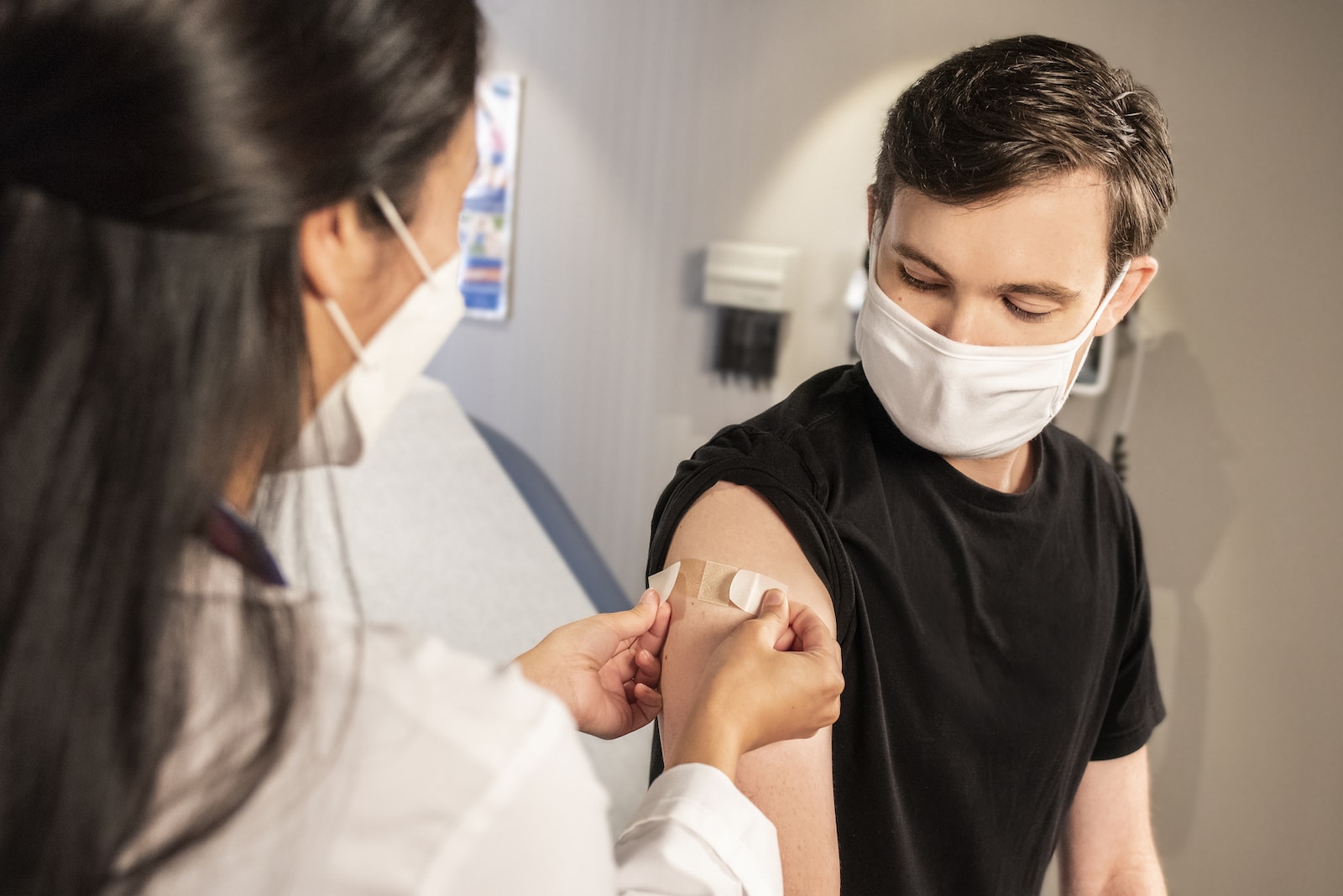
Vaccines are a critical tool in preventing and controlling the spread of infectious diseases. To ensure their efficacy, it is essential to determine the effectiveness of vaccines through rigorous scientific evaluation. This process involves comprehensive studies and analysis to assess how well a vaccine protects individuals from contracting a specific disease.
How Does One Determine the Effectiveness of a Vaccine?
Understanding Vaccine Effectiveness
1. Clinical Trials
The primary method used to determine the effectiveness of a vaccine is through controlled clinical trials. These trials involve testing the vaccine on a large group of volunteers, who are randomly assigned to receive either the vaccine or a placebo. The participants are then monitored over a specified period to evaluate the vaccine’s ability to prevent the targeted disease.
2. Endpoint Determination
In clinical trials, researchers define specific endpoints to measure the effectiveness of a vaccine. These endpoints typically include the occurrence of the disease in vaccinated and unvaccinated individuals. For example, if the vaccine targets a respiratory infection, the endpoint may be the number of cases of the disease in each group.
3. Randomized Control Groups
Clinical trials employ randomized control groups to ensure accurate assessment of vaccine effectiveness. The control group consists of individuals who receive a placebo or an alternative vaccine, while the experimental group receives the vaccine being tested. Randomization helps minimize bias and ensures that the groups are comparable in terms of demographics and other relevant factors.
4. Double-Blind Design
To further enhance the reliability of vaccine effectiveness studies, a double-blind design is often employed. In double-blind trials, neither the participants nor the researchers know who is receiving the vaccine or the placebo until the study is completed. This helps eliminate any potential bias and ensures the objectivity of the results.
5. Vaccine Efficacy Calculation
Vaccine efficacy is calculated by comparing the incidence of the disease in the vaccinated group to the incidence in the control group. The formula used is as follows:
Vaccine Efficacy = (Attack rate in unvaccinated group – Attack rate in vaccinated group) / Attack rate in unvaccinated group x 100%
The attack rate refers to the number of individuals who develop the disease divided by the total number of individuals at risk.
6. Post-Marketing Surveillance
While clinical trials provide valuable information on vaccine effectiveness, post-marketing surveillance is crucial to monitor the real-world impact of vaccines. After a vaccine is approved and distributed, ongoing monitoring is conducted to assess its effectiveness, safety, and any potential side effects in a larger population. This surveillance involves collecting data from healthcare providers, monitoring systems, and public health agencies.
7. Long-Term Follow-Up
To evaluate the long-term effectiveness of vaccines, studies often include follow-up assessments over an extended period. These assessments help determine if the protective immunity induced by the vaccine wanes over time or if booster doses are necessary to maintain immunity. Long-term follow-up studies contribute to ongoing improvements in vaccine development and vaccination strategies.
8. Global Collaboration and Data Sharing
Determining vaccine effectiveness is a collaborative effort that involves global cooperation and data sharing. International organizations, such as the World Health Organization (WHO) and the Centers for Disease Control and Prevention (CDC), facilitate the collection and analysis of vaccine effectiveness data. This collaboration ensures the availability of comprehensive and accurate information on the performance of vaccines.
Conclusion
Determining the effectiveness of vaccines is a meticulous process that involves rigorous clinical trials, endpoint determination, randomized control groups, and double-blind designs. Through these studies, vaccine efficacy is calculated, providing crucial information on the protective effects of vaccines against specific diseases. Post-marketing surveillance and long-term follow-up studies further contribute to our understanding of vaccine effectiveness. Global collaboration and data sharing play a significant role in monitoring and assessing vaccine performance. By employing these robust methods, scientists and healthcare professionals can confidently determine the effectiveness of vaccines and make informed decisions to protect public health.
In conclusion, the evaluation of vaccine effectiveness is a crucial step in ensuring the success of vaccination programs. By employing rigorous scientific methods, conducting clinical trials, and analyzing real-world data, researchers and health organizations can assess the protective effects of vaccines and make evidence-based recommendations for public health strategies.


