
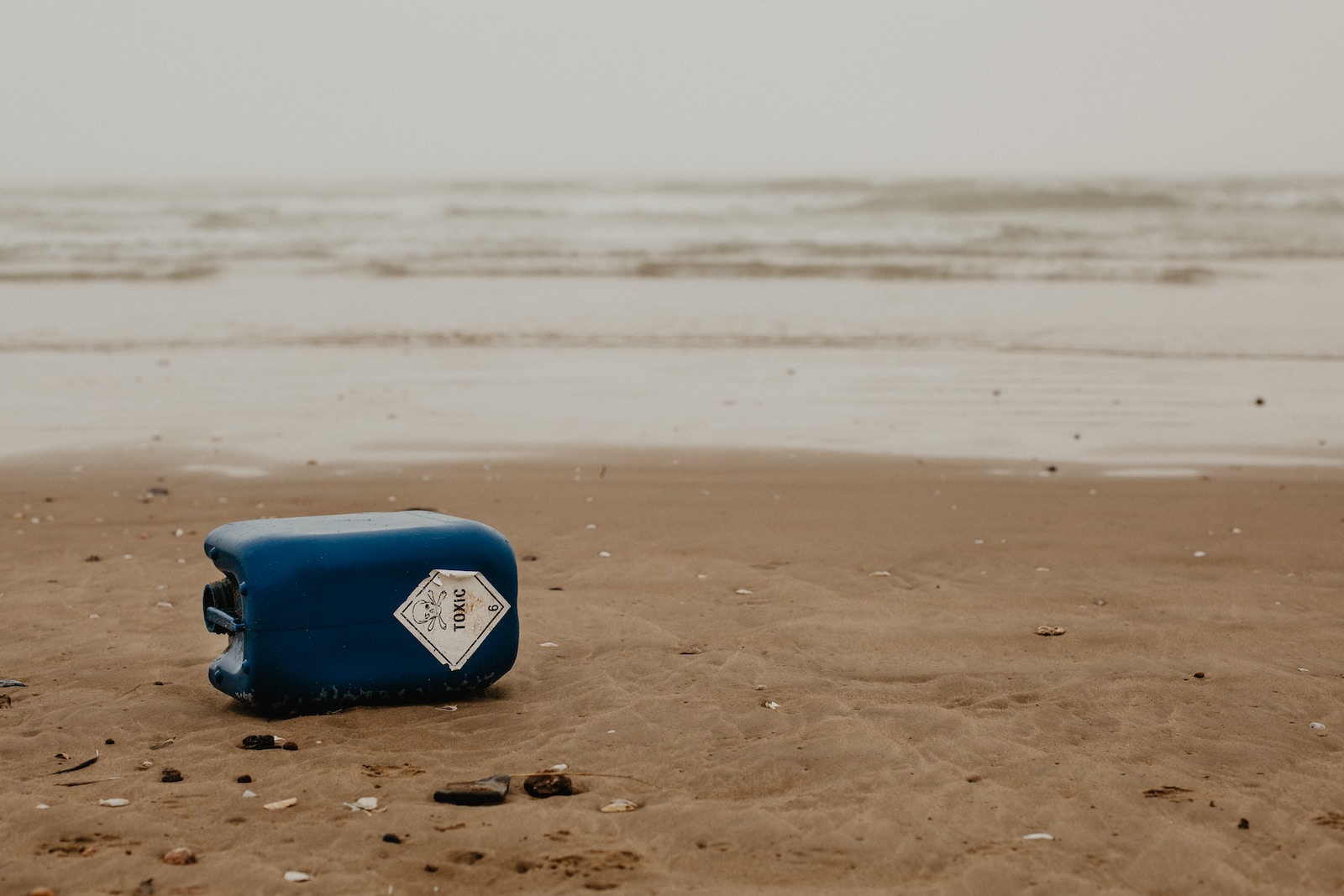
Environmental degradation is a significant challenge that affects human health, ecosystems, and economic development. Environmental degradation leads to various impacts, including air pollution, water pollution, deforestation, soil degradation, climate change, and biodiversity loss. These impacts have both direct and indirect costs, affecting individuals, communities, and nations. Therefore, calculating the cost of environmental degradation is essential in making informed decisions on environmental policies, regulations, and investments. In this article, we explore how one can calculate the cost of environmental degradation and why it is essential.
How Does One Calculate the Cost of Environmental Degradation?
The Cost of Environmental Degradation
The cost of environmental degradation refers to the monetary value of damages caused by environmental pollution and degradation. Environmental degradation causes significant economic losses in terms of healthcare costs, loss of biodiversity, productivity losses, and damages to property and infrastructure. For example, air pollution causes respiratory diseases and premature deaths, leading to increased healthcare costs and productivity losses. Deforestation leads to soil erosion, reduced water availability, and loss of biodiversity, affecting agricultural productivity and food security. These impacts are a burden on individuals, communities, and governments, reducing their well-being and economic development prospects.
Calculating the Cost of Environmental Degradation
Calculating the cost of environmental degradation involves estimating the direct and indirect costs of environmental pollution and degradation. Direct costs are the monetary values of damages that can be measured directly, such as healthcare costs, property damages, and cleanup costs. Indirect costs are the monetary values of damages that cannot be measured directly but affect the economy and society, such as productivity losses, biodiversity loss, and climate change impacts. Estimating the cost of environmental degradation requires using scientific data, economic models, and valuation techniques.
Valuation Techniques
Valuation techniques are methods used to estimate the monetary value of environmental damages. These techniques can be classified into market-based and non-market-based valuation methods. Market-based valuation methods estimate the monetary value of environmental damages based on market prices of goods and services affected by environmental degradation. For example, the value of lost crops due to soil degradation can be estimated based on market prices of agricultural products. Non-market-based valuation methods estimate the monetary value of environmental damages that do not have market prices. These methods include:
- Contingent Valuation Method (CVM) – This method estimates the monetary value of environmental goods and services by asking people how much they are willing to pay or accept for these goods and services. For example, a survey can ask people how much they are willing to pay to reduce air pollution in their community.
- Travel Cost Method (TCM) – This method estimates the monetary value of environmental goods and services by analyzing the costs of traveling to access these goods and services. For example, the value of a national park can be estimated by analyzing the travel costs of visitors.
- Hedonic Pricing Method (HPM) – This method estimates the monetary value of environmental goods and services by analyzing the prices of goods and services affected by environmental quality. For example, the value of a house near a park can be estimated by analyzing the prices of similar houses in the same area.
Economic Models
Economic models are used to estimate the economic impacts of environmental degradation. These models estimate the direct and indirect costs of environmental damages, as well as the benefits of environmental policies and investments. Economic models include:
Input-output models – These models estimate the economic impacts of environmental degradation on different sectors of the economy.
Computable general equilibrium models – These models estimate the economic impacts of environmental policies and investments on different sectors of the economy.
Why is it Essential to Calculate the Cost of Environmental Degradation?
Calculating the cost of environmental degradation is essential for several reasons. First, it helps policymakers and investors make informed decisions on environmental policies and investments. For example, policymakers can use the cost estimates to determine the optimal level of pollution control and set environmental standards. Investors can use the cost estimates to evaluate the environmental risks and benefits of their investments and make sustainable investment decisions.
Second, calculating the cost of environmental degradation helps raise awareness about the environmental impacts of economic activities. The cost estimates provide a clear understanding of the magnitude and distribution of environmental damages, making it easier to identify the most affected groups and sectors. This awareness can lead to public pressure and policy action to reduce environmental degradation and promote sustainable development.
Third, calculating the cost of environmental degradation can help improve the efficiency and effectiveness of environmental policies and investments. The cost estimates can help policymakers identify the most cost-effective solutions for reducing environmental degradation and promoting sustainable development. For example, policymakers can use the cost estimates to identify the most cost-effective pollution control measures or invest in environmental technologies that offer the highest environmental benefits at the lowest costs.
Finally, calculating the cost of environmental degradation can help integrate environmental considerations into economic decision-making. By considering the full economic costs of environmental degradation, decision-makers can internalize the environmental externalities and promote more sustainable economic activities. This integration can help align economic growth with environmental sustainability and promote long-term economic development.
Conclusion
In conclusion, environmental degradation has significant economic, social, and environmental impacts, leading to direct and indirect costs. Estimating the cost of environmental degradation requires using scientific data, economic models, and valuation techniques. The cost estimates can help policymakers and investors make informed decisions, raise awareness about environmental impacts, improve the efficiency and effectiveness of environmental policies and investments, and integrate environmental considerations into economic decision-making. Therefore, calculating the cost of environmental degradation is essential in promoting sustainable development and ensuring a better future for generations to come.


