
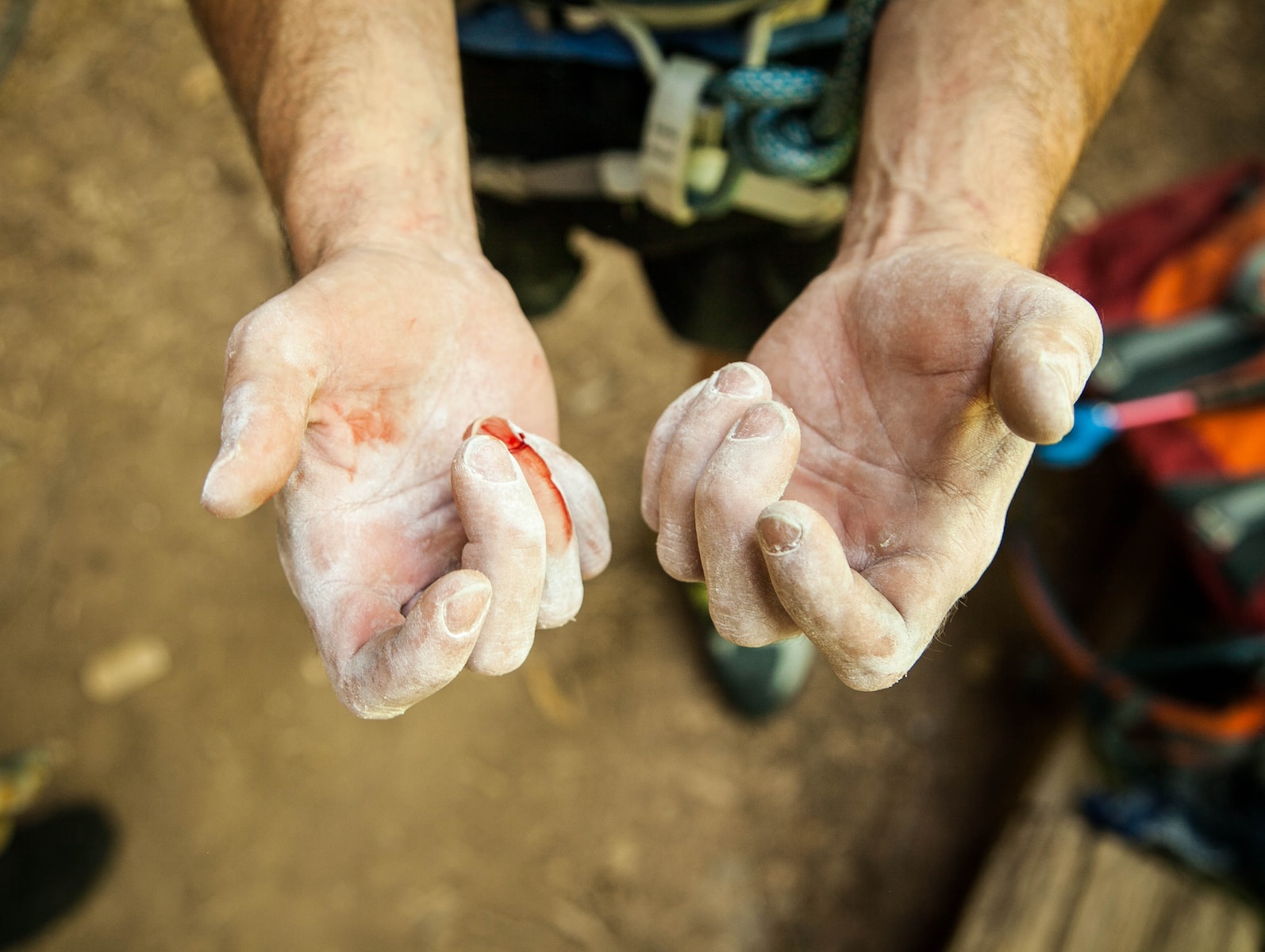
Bleeding can be a life-threatening emergency, and prompt and effective management is crucial to prevent further blood loss and promote healing. Whether it’s a minor cut or a severe traumatic injury, knowing how to manage and control bleeding is a vital skill that can save lives. In this article, we will explore the steps involved in managing and controlling bleeding in emergency situations, emphasizing the importance of quick action and providing valuable guidance.
Managing and Controlling Bleeding in Emergency Situations
Step 1: Assess the Situation
Before initiating any bleeding control measures, assess the situation to ensure your safety and that of the injured person. Look for any immediate dangers or hazards that may need to be addressed.
Step 2: Protect Yourself
To minimize the risk of infection, put on disposable gloves or any available barrier devices to protect yourself from bloodborne pathogens.
Step 3: Direct Pressure
The most effective and immediate way to control bleeding is through direct pressure. Follow these steps:
- Apply firm and continuous pressure directly on the wound using a clean cloth, gauze pad, or your gloved hand.
- Maintain pressure for at least 5 to 10 minutes, allowing time for the blood to clot and for bleeding to subside.
- Do not remove the dressing or lift it to check the bleeding during this time, as it may disrupt the clotting process.
Step 4: Elevate the Injured Area
If possible, elevate the injured area above the level of the heart. This can help reduce blood flow to the area and minimize bleeding.
Step 5: Apply Pressure Points
If direct pressure alone is not effective, consider applying pressure to the appropriate pressure points to control bleeding. Common pressure points include:
- Brachial artery pressure point: Apply pressure to the inner upper arm, between the biceps and triceps muscles.
- Femoral artery pressure point: Apply pressure to the inner thigh, just below the groin crease.
- Radial artery pressure point: Apply pressure to the wrist, on the thumb side.
Step 6: Use Tourniquets
In severe cases of uncontrolled bleeding, a tourniquet may be necessary to control the bleeding. Follow these guidelines:
- Apply the tourniquet proximal to the bleeding site, between the wound and the heart.
- Wrap the tourniquet tightly around the limb, making sure it is placed at least two inches above the wound.
- Secure the tourniquet and note the time of application.
- Do not release or loosen the tourniquet once applied, as it may cause re-bleeding.
Step 7: Seek Medical Attention
Even if bleeding is controlled, it is essential to seek medical attention as soon as possible. Professional medical evaluation and treatment are necessary to assess the extent of the injury and ensure proper wound care.
Additional Considerations for Bleeding Control
- Hemostatic agents: In some situations, the use of hemostatic agents, such as gauze or dressings impregnated with clotting agents, may aid in controlling bleeding.
- Communication: Clear and effective communication with emergency medical services (EMS) or healthcare professionals is crucial to ensure appropriate follow-up care.
- Reassurance and comfort: Providing reassurance and comfort to the injured person can help reduce anxiety and stress, promoting a calmer state during the bleeding control process.
- Regular reassessment: Continuously reassess the injured person’s condition, including monitoring for signs of shock or worsening bleeding.
Conclusion
Managing and controlling bleeding in emergency situations requires quick and decisive action. By following the steps of assessing the situation, protecting oneself, applying direct pressure, elevating the injured area, using pressure points or tourniquets when necessary, and seeking medical attention, individuals can effectively control bleeding and improve the chances of a successful outcome. Remember to prioritize personal safety, communicate with healthcare professionals, and provide reassurance and comfort to the injured person.


