
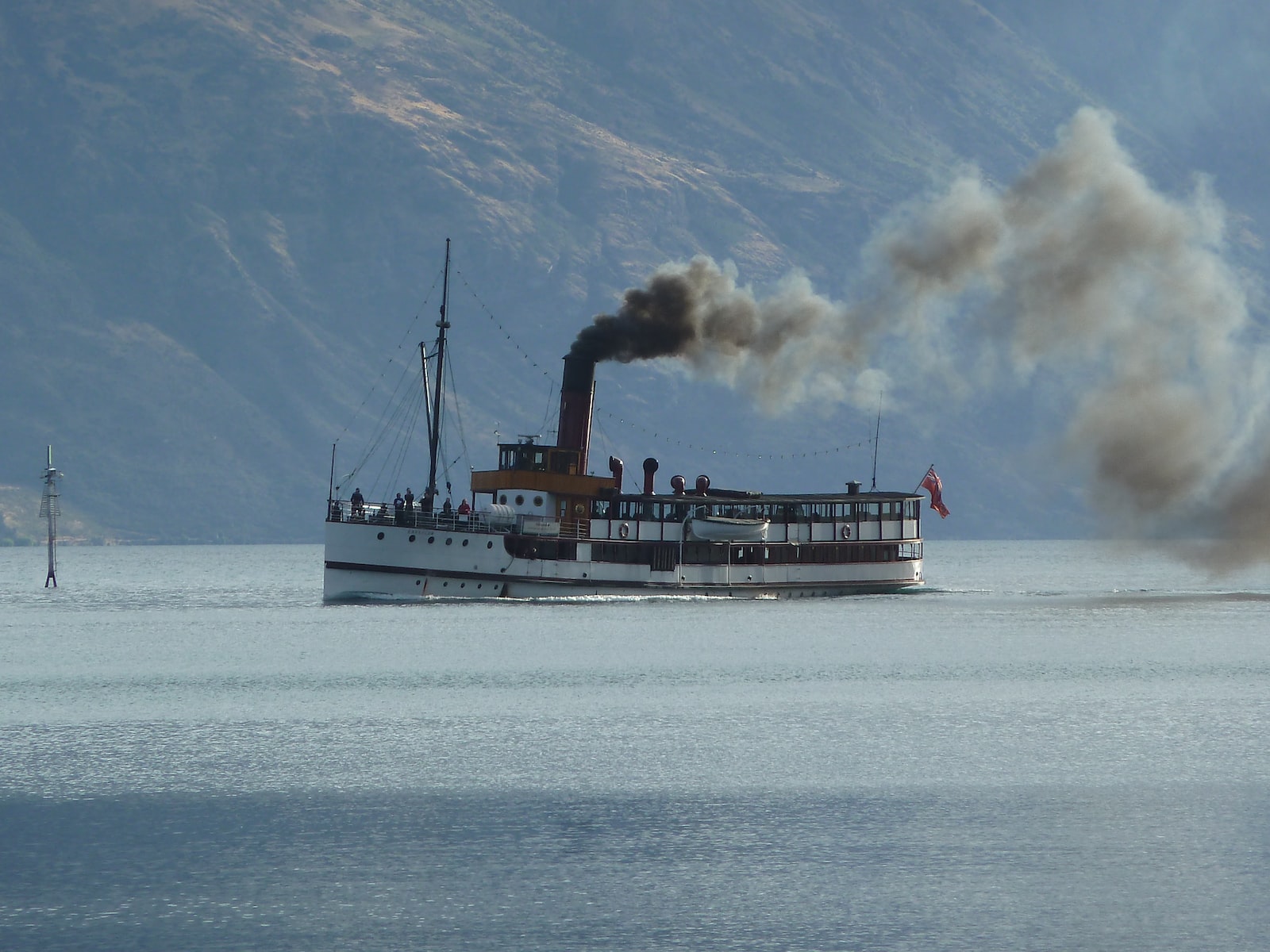
Steamships were once a common mode of transportation, powering the movement of goods and people across oceans and rivers alike. Today, these historical vessels have become popular tourist attractions, giving visitors a glimpse into the past and the chance to experience the power and beauty of steam engines up close. Operating a steam engine on a historical steamship requires skill and expertise, as well as a deep understanding of the technology and machinery involved.
Operate a Steam Engine on a Historical Steamship
Understanding the Steam Engine
Before operating a steam engine, it is important to understand how it works. A steam engine converts the heat generated by burning fuel into mechanical energy, which is then used to power a ship’s propellers or other machinery. The steam engine operates by heating water in a boiler until it turns into steam, which is then routed through a series of pipes and valves to the engine’s cylinders. The steam pushes a piston back and forth, creating rotational motion that is transferred to the ship’s propellers through a system of gears or a drive shaft.
Preparing the Boiler
The first step in operating a steam engine is to prepare the boiler. The boiler must be filled with water and the firebox must be loaded with fuel, typically coal or wood. The fire must be carefully monitored and adjusted to maintain the desired temperature and pressure inside the boiler. It is important to avoid overloading the firebox, which can cause the boiler to overheat and potentially explode.
Starting the Engine
Once the boiler is ready, the engine can be started. This is typically done by opening the throttle valve, which allows steam to enter the engine’s cylinders. The engine will start to move slowly at first, gradually increasing in speed as more steam is admitted. It is important to carefully monitor the engine’s speed and adjust the throttle valve as needed to maintain a consistent speed.
Operating the Engine
Operating a steam engine requires constant attention and adjustment. The pressure and temperature inside the boiler must be carefully monitored to ensure that they remain within safe limits. The throttle valve must be adjusted to maintain a steady speed, while the engine’s valves and pistons must be regularly lubricated to prevent damage from friction and wear.
Stopping the Engine
When it is time to stop the engine, the throttle valve is closed to shut off the flow of steam to the engine. The firebox is then allowed to cool down, and the remaining water in the boiler is drained. It is important to carefully follow established safety procedures when shutting down the engine, as there can be residual steam and hot surfaces that pose a risk of injury.
Maintaining the Steam Engine
Proper maintenance is essential for keeping a steam engine in good working order. Regular inspections and cleaning can help prevent corrosion and other forms of damage, while lubrication and adjustment of the engine’s moving parts can help ensure smooth and efficient operation. It is also important to replace worn or damaged parts as needed to prevent more serious problems from developing.
Conclusion
Operating a steam engine on a historical steamship requires knowledge, skill, and attention to detail. Understanding the principles behind the operation of a steam engine, as well as the specific features and quirks of the particular engine being operated, is essential for safe and effective operation. With proper training and experience, however, operating a steam engine can be a rewarding and enjoyable experience, providing a unique glimpse into the history and technology of the past.


