
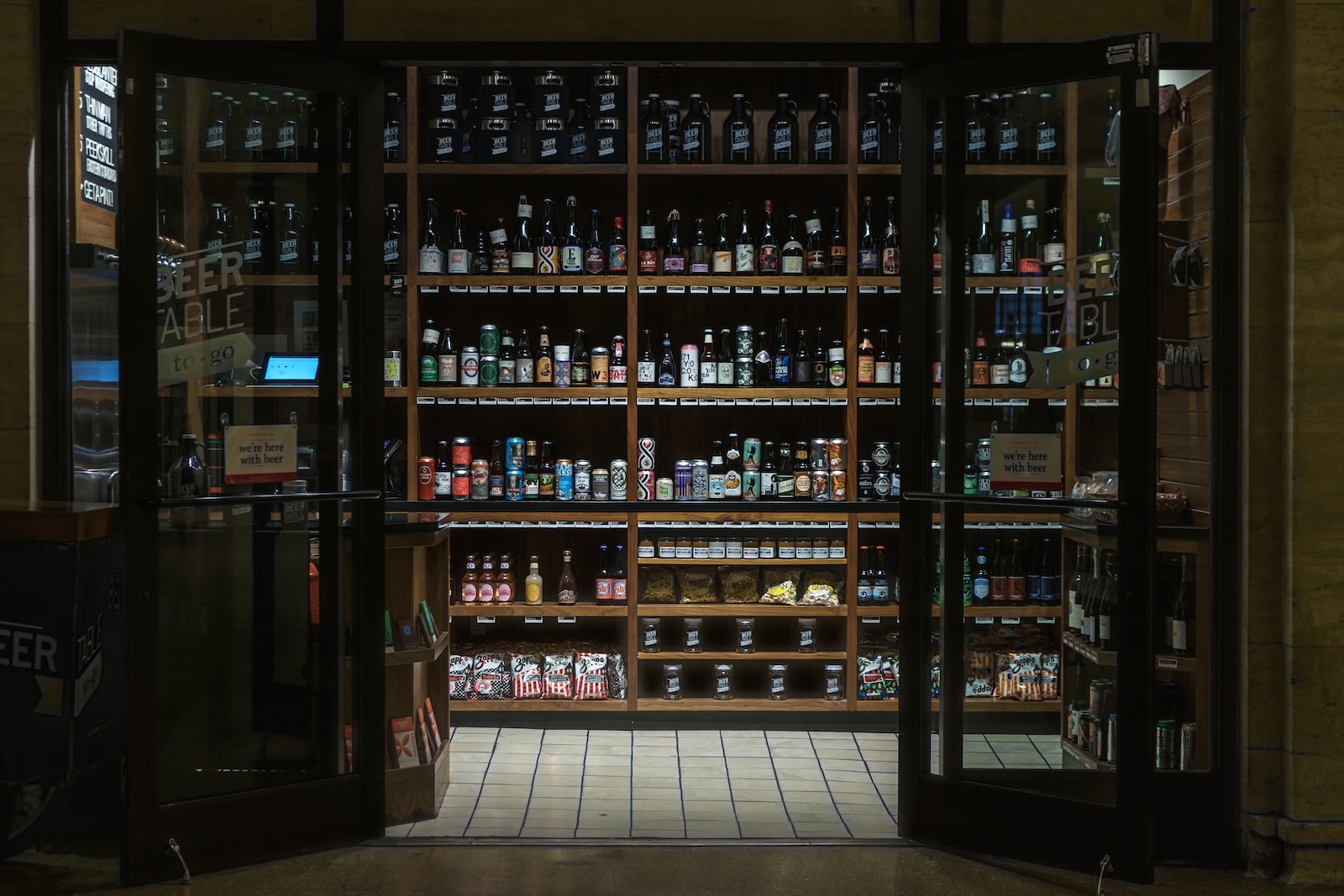
Beer is a complex and dynamic beverage that can benefit from proper storage and aging. By following a few simple guidelines, you can ensure that your beer reaches its full potential in terms of flavor, aroma, and texture. In this article, we will discuss the best practices for storing and aging beer, including temperature, light, and oxygen exposure.
Properly Storing and Aging Beer for Optimal Flavor Development
Temperature
Temperature is one of the most critical factors in properly storing and aging beer. The ideal temperature for storing beer is between 45-55°F (7-13°C). This range is commonly referred to as the “cellar temperature.” If the temperature is too warm, the beer will age too quickly, and the flavors and aromas will start to degrade. On the other hand, if the temperature is too cold, the aging process will slow down, and the flavors and aromas will not develop as intended.
It’s also important to note that temperature fluctuations can be just as damaging as a consistently warm or cold temperature. Therefore, it’s best to store beer in a location that maintains a stable temperature throughout the year.
Light
Light exposure is another crucial factor in properly storing and aging beer. Ultraviolet (UV) light, such as sunlight or fluorescent lighting, can cause beer to develop a “skunky” flavor due to the breakdown of hop compounds. Therefore, it’s best to store beer in a dark location, such as a closet or cellar. If you must store beer in an area with light exposure, be sure to use brown or green bottles, as they offer some protection against UV light.
Oxygen Exposure
Oxygen exposure is another factor that can impact the flavor and aroma of beer during storage and aging. Exposure to oxygen can cause oxidation, which can lead to stale or cardboard-like flavors. To minimize oxygen exposure, it’s important to store beer in a sealed container, such as a bottle or can. Once the container is opened, it’s best to consume the beer within a few days to prevent further oxidation.
Aging Beer
Aging beer is a popular practice among beer enthusiasts who seek to develop complex and nuanced flavors over time. However, not all beers are suitable for aging, and it’s essential to understand the characteristics of different beer styles before attempting to age them.
Beers that are high in alcohol, such as barleywines, imperial stouts, and Belgian quadrupels, tend to age well. The high alcohol content acts as a preservative and can help to develop rich, deep flavors over time. Beers that are low in alcohol, such as lagers and pilsners, do not age as well and are best consumed fresh.
When aging beer, it’s important to store the bottles on their side to keep the cork moist and prevent oxygen exposure. It’s also a good idea to periodically check on the beer and taste it to monitor its development. Some beer styles can age for several years, while others are best consumed within a few months of bottling.
Conclusion
In conclusion, properly storing and aging beer can greatly enhance its flavor, aroma, and texture. By following the guidelines outlined in this article, you can ensure that your beer reaches its full potential. Remember to store beer at cellar temperature, minimize light and oxygen exposure, and only age beers that are suitable for aging. With a little patience and attention to detail, you can enjoy a truly exceptional beer experience.


