
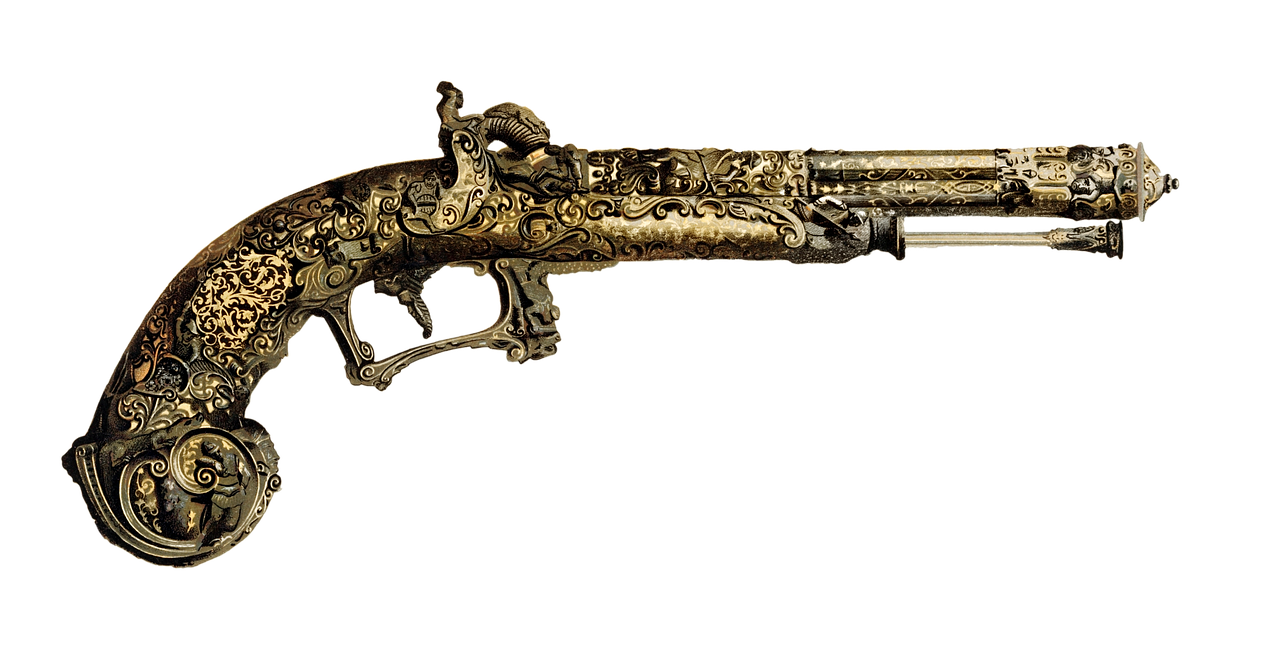
Handling and storing antique firearms and weapons require utmost care and attention to ensure the safety of individuals and the preservation of these historical artifacts. Whether you are a collector, enthusiast, or someone who has inherited such items, this comprehensive guide will provide you with essential tips and guidelines for safely handling and storing antique firearms and weapons.
How Does One Safely Handle and Store Antique Firearms and Weapons?
1. Familiarize Yourself with Local Laws and Regulations
Before handling or storing antique firearms and weapons, it is crucial to familiarize yourself with the local laws and regulations governing their possession, transportation, and storage. Different jurisdictions may have specific requirements, licensing, or permits needed to own or handle such items. Compliance with legal requirements is essential to avoid any legal complications.
2. Education and Training
Educate yourself about the specific types of antique firearms and weapons in your possession. Understanding their mechanisms, potential hazards, and safe handling techniques is vital for ensuring personal safety and preventing damage to the items. Consider attending firearm safety courses or seeking guidance from knowledgeable experts to enhance your knowledge and skills.
3. Always Treat Firearms and Weapons as Loaded
A cardinal rule of firearm safety is to always treat them as if they are loaded, even if you believe them to be unloaded. Never assume that an antique firearm or weapon is free of ammunition. Handling them with the same respect and caution as a loaded firearm helps minimize the risk of accidental discharge and potential injury.
4. Ensure Proper Cleaning and Maintenance
Regular cleaning and maintenance are crucial for preserving the condition and functionality of antique firearms and weapons. Follow manufacturer’s guidelines or consult with experts to determine the appropriate cleaning techniques and products for specific types of firearms or weapons. Proper maintenance helps prevent rust, corrosion, and deterioration over time.
5. Secure and Controlled Storage
Storing antique firearms and weapons in a secure and controlled environment is essential for their safety and longevity. Consider the following guidelines:
- Store firearms and weapons in a locked cabinet, safe, or secure storage area that restricts unauthorized access.
- Ensure the storage area is dry, free from moisture, and maintains a stable temperature and humidity level to prevent damage.
- Separate firearms and ammunition during storage to minimize the risk of accidental discharge.
- Use protective materials such as soft gun cases, sleeves, or display stands to prevent scratches, dents, or other physical damage.
6. Displaying Antique Firearms and Weapons
If you choose to display antique firearms and weapons, ensure they are securely mounted or enclosed to prevent accidental handling or unauthorized use. Consider the following recommendations:
- Use display cases with tempered glass or other protective barriers to prevent physical contact.
- Utilize mounting devices specifically designed for firearms and weapons to securely hold them in place.
- Place the display away from direct sunlight, extreme temperatures, or areas prone to excessive humidity to prevent damage.
7. Regular Inspections and Maintenance
Perform regular inspections of your antique firearms and weapons to identify any signs of damage, deterioration, or unauthorized modifications. Check for loose or worn parts, rust, or signs of insect infestation. Promptly address any issues by consulting experts or qualified gunsmiths to ensure proper repair and preservation.
8. Proper Transportation
When transporting antique firearms and weapons, ensure compliance with local laws and regulations. Secure them in locked cases or containers specifically designed for transportation. Consider using padded or protective materials to prevent movement or damage during transit.
Conclusion
Safely handling and storing antique firearms and weapons is paramount for the safety of individuals and the preservation of these valuable artifacts. By following the guidelines outlined in this guide, including familiarizing yourself with local laws, educating yourself on safe handling techniques, ensuring proper cleaning and maintenance, and implementing secure storage practices, you can protect both yourself and these historical treasures.
Remember, responsible handling and storage not only safeguard against accidents or unauthorized access but also contribute to the long-term preservation of antique firearms and weapons. By treating these artifacts with the respect they deserve, you can ensure their continued enjoyment, value, and contribution to our understanding of history.


