
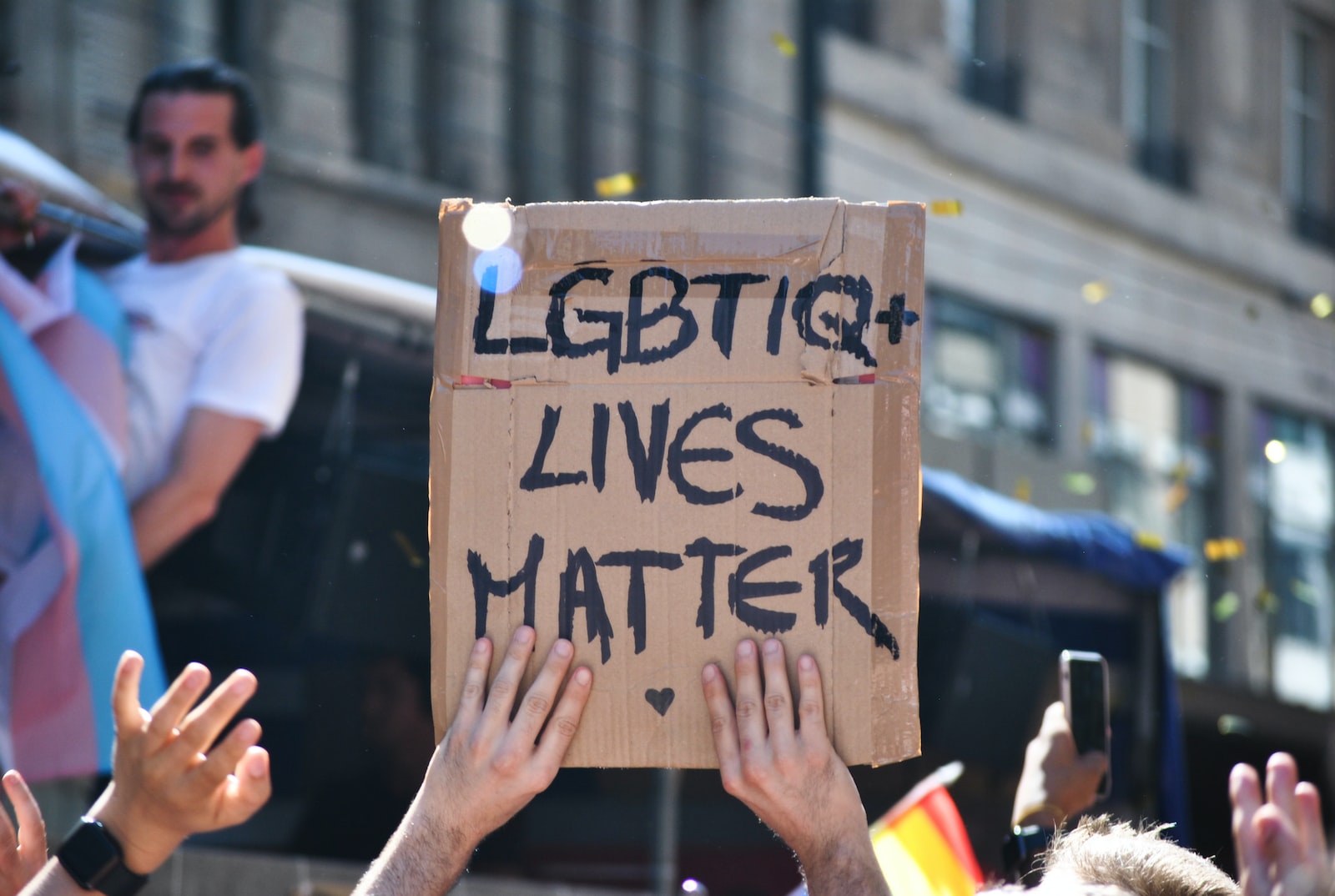
LGBTQ+ individuals often experience discrimination and marginalization based on their sexual orientation or gender identity. However, LGBTQ+ identity is not the only aspect of an individual’s identity that shapes their experiences and interactions with society. Other aspects of identity, such as race, ethnicity, religion, and class, can also intersect with LGBTQ+ identity and impact an individual’s experiences. In this article, we explore the intersections of LGBTQ+ identity with other aspects of identity and the impact of these intersections.
Intersections of LGBTQ+ Identity with Other Aspects of Identity
One of the most common intersections of LGBTQ+ identity is with race and ethnicity. LGBTQ+ people of color often experience multiple forms of discrimination and marginalization based on their sexual orientation or gender identity, as well as their race or ethnicity. For example, Black LGBTQ+ individuals may experience racism within LGBTQ+ communities, as well as homophobia and transphobia within Black communities. This intersection can lead to a sense of isolation and a lack of resources for LGBTQ+ people of color.
Class is another aspect of identity that intersects with LGBTQ+ identity. LGBTQ+ individuals who come from low-income backgrounds or who are experiencing poverty may face additional barriers in accessing resources and support. For example, LGBTQ+ youth who are homeless or living in poverty may face greater risks of violence and exploitation. Additionally, LGBTQ+ individuals who work in low-wage jobs may experience discrimination and harassment in the workplace.
Religion is another aspect of identity that intersects with LGBTQ+ identity. LGBTQ+ individuals who belong to religious communities that are not accepting of LGBTQ+ people may face rejection or discrimination based on their sexual orientation or gender identity. This can lead to a sense of conflict between one’s religious identity and one’s LGBTQ+ identity. However, there are also many LGBTQ+ individuals who find acceptance and support within their religious communities.
Gender identity and expression is yet another aspect of identity that intersects with LGBTQ+ identity. Transgender and gender non-conforming individuals may face discrimination and violence based on their gender identity or expression, as well as their sexual orientation. This intersection can lead to a heightened sense of vulnerability and a lack of resources for transgender and gender non-conforming individuals.
The intersections of LGBTQ+ identity with other aspects of identity can have significant impacts on individuals’ experiences and well-being. For example, LGBTQ+ individuals who experience racism, poverty, or discrimination based on their religion or gender identity may face greater risks of mental health issues, including depression and anxiety. Additionally, these intersections can lead to a lack of access to resources and support, which can exacerbate feelings of isolation and marginalization.
Despite these challenges, many LGBTQ+ individuals find ways to navigate and overcome the intersections of their identities. For example, LGBTQ+ people of color may form their own communities and networks of support, while low-income LGBTQ+ individuals may seek out resources and advocacy organizations that specialize in addressing the unique needs of low-income LGBTQ+ people. Additionally, many LGBTQ+ individuals find strength in the intersections of their identities, using their experiences to advocate for greater acceptance and inclusion of all marginalized communities.
In conclusion, it is important to recognize that an individual’s LGBTQ+ identity intersects with other aspects of their identity, such as race, ethnicity, class, and other social identities. This intersectionality can result in unique experiences and challenges for LGBTQ+ individuals who also hold marginalized identities. It is important for society to recognize and address these intersections in order to create a more equitable and inclusive world for all individuals. Through education, awareness, and advocacy, we can work towards a world that values and celebrates all aspects of an individual’s identity, including their LGBTQ+ identity.


