
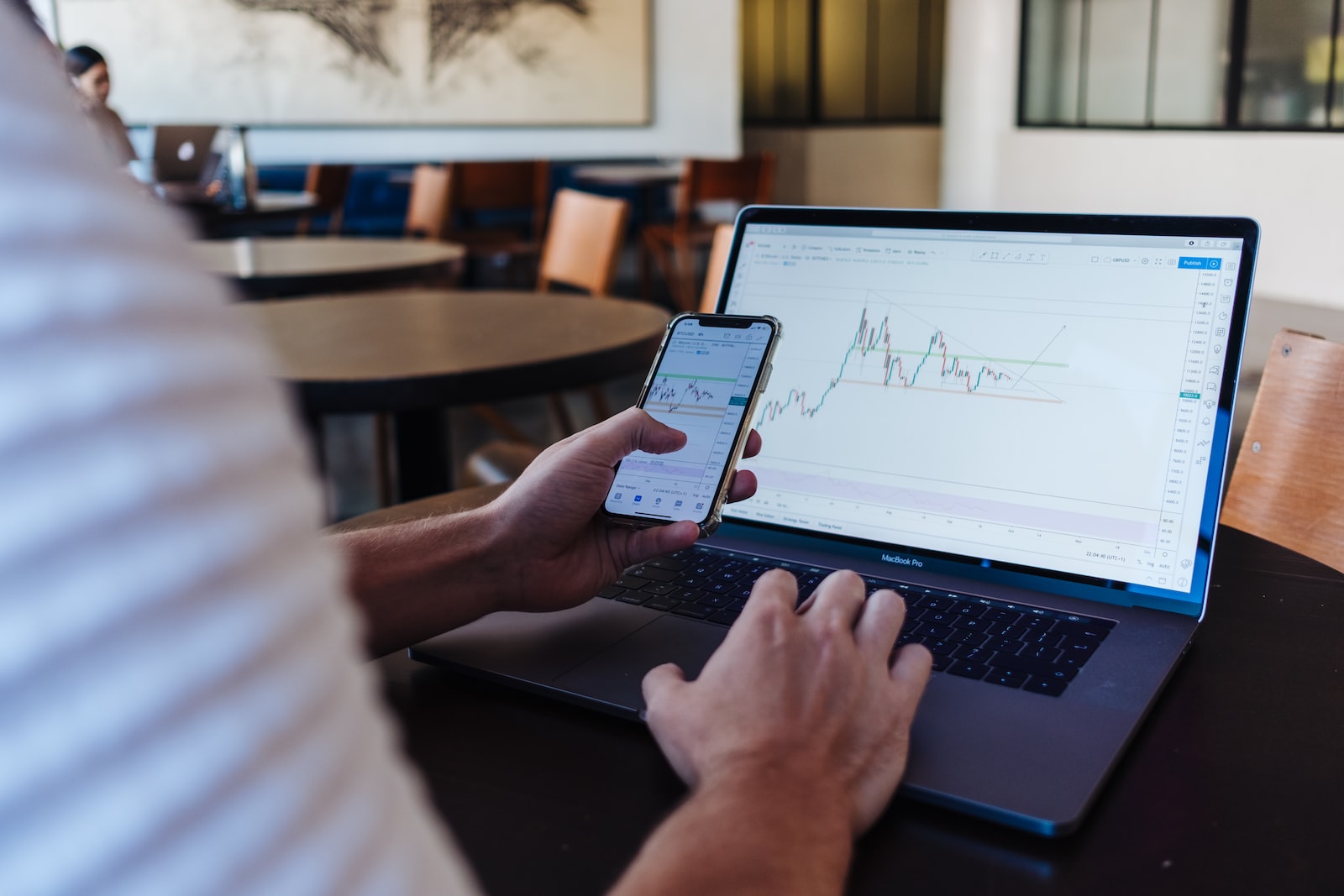
Commodities trading can be a lucrative and exciting career path, but it’s important to approach it in a professional and ethical manner. Unfortunately, the term “commodities trader” has been associated with negative connotations, such as greed and dishonesty, leading some to liken it to piracy. However, with the right approach and mindset, it’s possible to become a successful commodities trader without sounding like a pirate. Here are some tips on how to become a commodities trader while maintaining professionalism and integrity.
- Educate Yourself: The first step to becoming a commodities trader is to educate yourself on the industry and the specific commodities you want to trade. This includes understanding the supply and demand dynamics, market trends, and pricing models. You can find information through research, industry publications, and networking with other professionals.
- Obtain Proper Licensing: To trade commodities professionally, you need to obtain the appropriate licensing and certifications. The most common certification for commodities trading is the Series 3 license, which is required by the National Futures Association (NFA). This license ensures that traders have a basic understanding of the futures market and regulatory requirements.
- Develop a Trading Plan: A trading plan is a written document that outlines your trading strategy, including your goals, risk tolerance, and trading techniques. Having a trading plan helps you stay disciplined and focused on your long-term objectives while avoiding impulsive decisions that can lead to losses. It’s also important to regularly review and adjust your trading plan as market conditions change.
- Practice Risk Management: Commodities trading involves a high degree of risk, and losses can quickly accumulate. Therefore, it’s crucial to practice risk management techniques to minimize your losses and protect your capital. This includes setting stop-loss orders, diversifying your portfolio, and using leverage wisely.
- Maintain Professionalism: As a commodities trader, it’s important to maintain a professional image and demeanor at all times. This means treating others with respect, avoiding aggressive or unethical behavior, and conducting yourself in a manner that upholds the integrity of the industry.
- Follow Regulatory Requirements: The commodities industry is regulated by various government agencies and self-regulatory organizations, such as the NFA and the Commodity Futures Trading Commission (CFTC). It’s essential to comply with these regulations to avoid fines, penalties, and legal repercussions.
- Network with Other Professionals: Networking with other professionals in the industry can provide valuable insights and opportunities for collaboration. Attend industry events, join professional organizations, and connect with other traders on social media platforms to expand your network.
- Stay Up-to-Date with Market Developments: The commodities market is constantly evolving, and staying up-to-date with market developments is critical to making informed trading decisions. This includes monitoring news and trends, understanding geopolitical risks, and staying informed on regulatory changes.
- Embrace Transparency: As a commodities trader, it’s essential to embrace transparency and ethical practices. This includes disclosing conflicts of interest, providing accurate and timely information, and treating customers fairly. By building trust and transparency with your clients, you can establish a positive reputation in the industry.
In conclusion, becoming a commodities trader requires a combination of education, experience, and professionalism. By following these tips and maintaining a positive attitude, you can become a successful commodities trader without sounding like a pirate. Remember to always prioritize transparency, ethical practices, and risk management to protect your capital and build a successful career in the commodities industry.


