
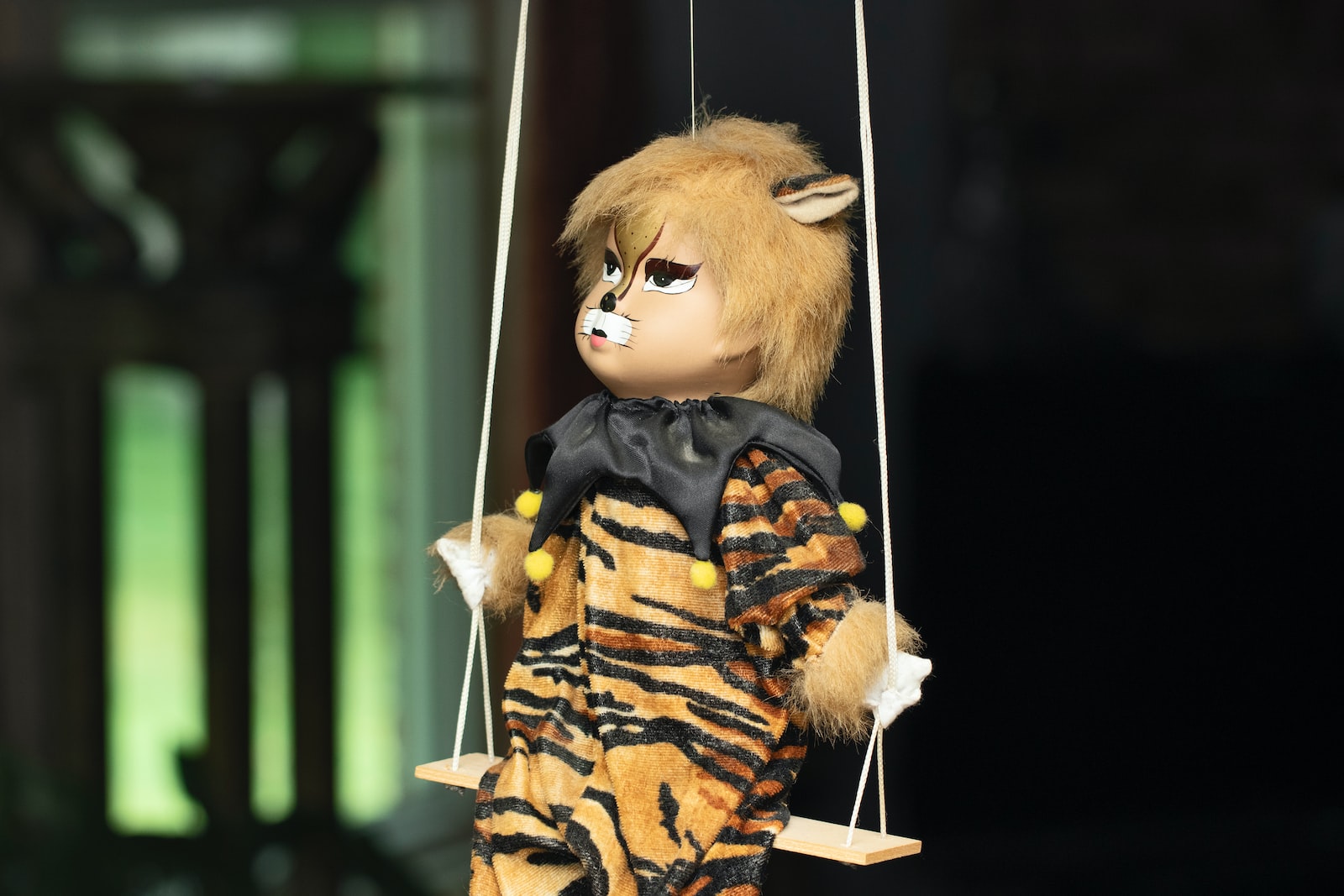
Creating special effects with puppets is an important part of puppetry, as it can add an extra layer of magic and wonder to a performance. Special effects can be used to create illusions, such as making a puppet appear to fly or disappear, or to create special visual or sound effects that enhance the overall experience for the audience. In this article, we will explore some ways in which special effects can be created with puppets.
- Lighting is one of the most important tools in creating special effects in puppetry. With the right lighting, a puppet can appear to glow, change colors, or cast a shadow that seems larger or smaller than the puppet itself. Lighting can also be used to create the illusion of movement, such as making a puppet appear to fly or dance. By experimenting with different lighting techniques, puppeteers can create a range of special effects that enhance the performance and engage the audience.
- Sound effects can also be used to create special effects in puppetry. By using a range of sound effects, from simple ambient noise to more complex musical scores, puppeteers can create a unique and immersive environment for the audience. Sound effects can also be used to enhance the puppetry itself, such as creating realistic sounds for movements and actions of the puppet, or for creating the illusion of movement in the space around the puppet.
- Smoke and fog effects can be used to create a range of special effects in puppetry. By using smoke and fog machines, puppeteers can create an eerie and mysterious atmosphere for the performance, or can create the illusion of a puppet disappearing or reappearing in a cloud of smoke. These effects can be especially effective for creating a sense of drama and suspense in the performance.
- Pyrotechnics, such as fireworks and explosions, can be used to create dramatic special effects in puppetry. While this technique is more commonly used in film and stage productions, it can also be used in puppetry with the right safety precautions and training. Pyrotechnics can be used to create stunning visual effects, such as making a puppet appear to explode or transform in a burst of light.
- Animatronics, which we discussed in the previous section, can also be used to create special effects in puppetry. By using motors and sensors, puppeteers can create lifelike movements in puppets that can be used to create the illusion of flight, transformation, or other special effects. Animatronics can be especially effective for creating creatures or characters that are difficult or impossible to perform using traditional puppetry techniques.
- Projection mapping is a technique that uses projectors and software to create dynamic and immersive visual effects. With projection mapping, images and video can be projected onto a puppet or a screen, creating a backdrop or scenery for the performance. Projection mapping takes this concept even further, using software to map video onto 3D surfaces, creating a stunning and interactive visual experience. Projection mapping can be used to create illusions, such as making a puppet appear to move through different environments or transform into different shapes or characters.
In conclusion, creating special effects with puppets is an important part of puppetry, and can add an extra layer of magic and wonder to a performance. By using a range of techniques such as lighting, sound, smoke and fog, pyrotechnics, animatronics, and projection mapping, puppeteers can create unique and dynamic special effects that enhance the performance and engage the audience. It’s important to remember that special effects should always be used safely and responsibly, and that the puppetry itself should always remain the focus of the performance. With the right training, preparation, and creativity, puppeteers can create truly mesmerizing and unforgettable performances that captivate audiences of all ages. By incorporating different special effects techniques into their puppetry shows, puppeteers can create unique and dynamic performances that stand out from the crowd. It’s important to experiment with different techniques and find the right balance of special effects and puppetry to create a truly magical experience for the audience. With practice and creativity, puppeteers can continue to push the boundaries of what’s possible in puppetry and create performances that leave a lasting impression on audiences around the world.


