
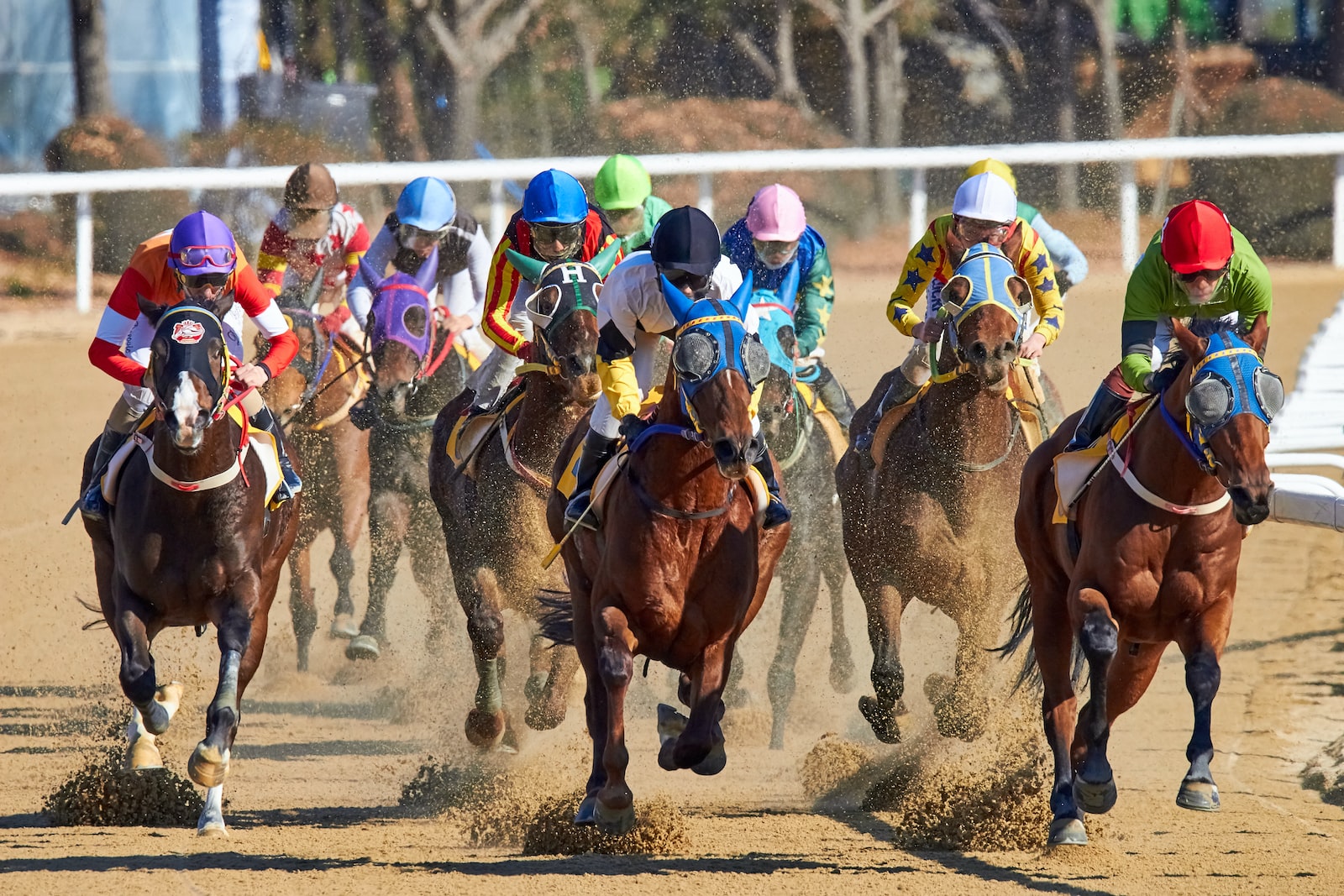
Photographing a horse race can be an exhilarating and challenging experience for photographers. Capturing the speed, power, and grace of these magnificent animals requires careful planning and technique. However, the excitement and thrill of being in the midst of these powerful creatures can also pose a significant danger to the photographer.
The first and most important aspect of photographing a horse race is safety. It is essential to take all necessary precautions to avoid getting injured by the horses. The most effective way to ensure safety is to follow the guidelines provided by the race organizers. These guidelines may include staying in designated areas, maintaining a safe distance from the track, and using proper safety gear.
Once the safety measures are in place, the photographer can focus on capturing the perfect shot. One of the biggest challenges when photographing a horse race is the speed of the horses. To capture this speed, it is essential to use a fast shutter speed. The faster the shutter speed, the more detail and clarity in the photograph. A shutter speed of at least 1/1000th of a second is recommended for capturing the speed of the horses.
Another key aspect of photographing a horse race is framing. The photographer needs to consider the composition of the photograph and the placement of the horses within the frame. To capture the energy and excitement of a horse race, it is essential to frame the horses in a way that shows their movement and power. One way to achieve this is to position the camera close to the ground and tilt it slightly upwards, which can create a sense of movement and speed.
Using a telephoto lens can also help to capture the action of the race. A telephoto lens allows the photographer to zoom in on the horses and capture the details of their movements. However, it is essential to maintain a safe distance from the horses and avoid obstructing the view of other spectators.
Another key aspect of photographing a horse race is lighting. The lighting conditions can have a significant impact on the quality of the photograph. Natural lighting is often the best option for capturing the beauty of a horse race. Early morning or late afternoon light can create a warm, golden glow that adds to the atmosphere of the event.
In addition to the technical aspects of photography, it is also essential to capture the emotion and excitement of the horse race. The photographer needs to be aware of the energy and emotions of the spectators, jockeys, and horses. Capturing the connection between the jockey and the horse or the cheering of the crowd can add depth and emotion to the photograph.
In conclusion, photographing a horse race requires careful planning, technical skill, and a passion for the subject. By following safety guidelines and using the right equipment, photographers can capture the speed, power, and beauty of these magnificent animals. However, it is essential to remember that the safety of the photographer, the horses, and other spectators should always be the top priority. With a little bit of preparation and patience, capturing the perfect shot of a horse race can be a thrilling and rewarding experience.


