
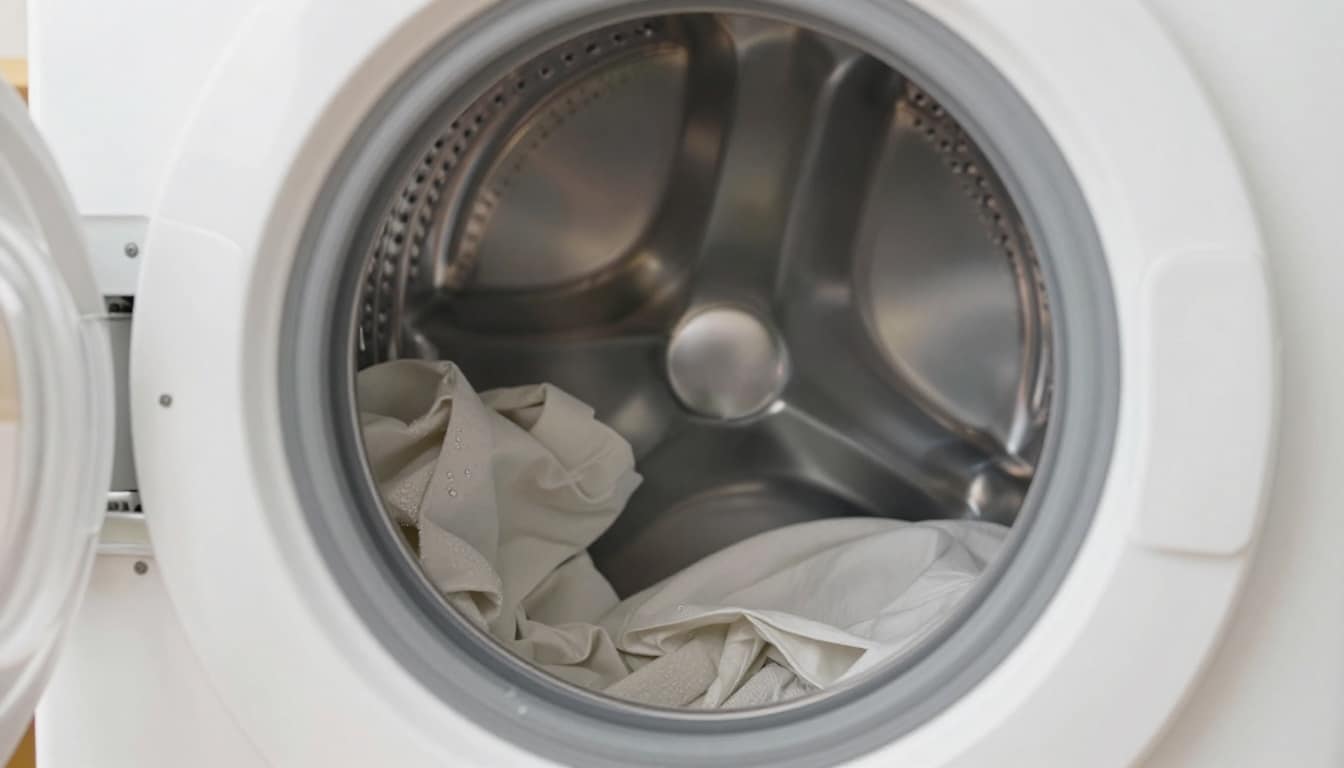
Open the washer door and that stale, damp smell hits fast. It feels unfair. After all, this is the machine that’s supposed to make things clean.
If a washing machine smells musty, the cause is usually simple, not mysterious. Moisture gets trapped, detergent leaves residue, and a few hidden spots stay wet for too long. If you’ve ever rewashed a towel and still caught that basement note, you’re not imagining it. The fix is part deep clean, part habit change, and neither one has to take all day.
Why the washer starts to smell musty
A washer is warm, dark, and often damp. Mold and mildew love that setup. Front-load machines get blamed most often because the rubber gasket around the door holds water in its folds. Still, top-loaders can turn funky too, especially under the lid rim, inside the dispenser, and around the inner tub.
Residue makes the smell stick around. Extra detergent, fabric softener, body oils, and lint can form a thin film inside the machine. Then cooler wash cycles may leave that film behind. Over time, moisture settles into it, and the odor gets stronger. Many of the common washer odor causes come down to that same pair of troublemakers, water and buildup.
A few habits quietly feed the problem. Leaving damp clothes in the drum overnight does it. So does shutting the door right after a load. Short cycles can help with energy use, but they don’t always clear out grime from towels, pet bedding, or gym wear.
Clean clothes can also pick up odor from the washer itself. If the machine is dirty, the laundry can come out smelling tired even when it looks fine. That’s part of why clean clothes still smell bad in some homes, especially when loads are packed too tightly.
Musty odor usually means moisture plus residue, not a ruined washer.
Still, trust your nose. A mildew smell is common. A sharp sewage smell is different. If the washer drains slowly or leaves water behind, the problem may sit in the filter, hose, or drain line.
Clean the spots that hold the smell
A quick wipe inside the drum won’t solve much. The worst odor usually hides in places you don’t see during a normal wash.

The door gasket is one of the biggest odor traps in a front-loader.
Start with the gasket if you have a front-loader. Pull back each fold gently and look inside. Lint, hair, pet fur, and gray sludge often sit there like they’ve signed a lease. Wipe the rubber with a soft cloth and a cleaner your washer manual allows. If the manual says it’s fine, a mild vinegar solution can help on the surface. Never mix vinegar and bleach, and don’t pour random cleaners together just because the internet said so.
If you have a top-loader, check under the lid lip and around the agitator or impeller. Those areas catch splash-back, detergent film, and damp lint. They don’t smell loud at first, but given time, they absolutely get a voice.
Next, remove the detergent drawer. Wash it with warm, soapy water and scrub the corners well. Then wipe the drawer housing inside the machine. Many people clean the tray but skip the tunnel behind it, which is a bit like washing a coffee mug and leaving the spoon glued to the bottom.
After that, run an empty hot cleaning cycle. Use the tub-clean setting if your washer has one. Many brands suggest a washer-cleaning tablet or another product listed in the owner’s manual. Skip extra detergent. When the cycle ends, wipe the drum dry.
If the odor hangs on, check the pump filter, if your model has one. Put a towel down first, because a little water may spill out. Coins, lint, and even a stray sock can rot in there and stink up the whole machine. If the washer still smells wrong after a deep clean, this washer smell repair guide can help you spot when the issue is moving beyond simple upkeep.
Simple habits that keep the smell from coming back
Once the machine is clean, prevention is much easier than rescue. Leave the door and detergent drawer open for a few hours after each load. That small move lets moisture escape instead of settling into the gasket and drawer again.
Also, use less product than you think you need. Modern HE washers need surprisingly little detergent. Extra soap doesn’t make clothes cleaner, it leaves residue behind. Fabric softener can do the same. The best odor prevention tips are pretty plain: less buildup, more airflow, and regular cleaning.
A short weekly reset helps more than a heroic scrub every six months. Wipe the gasket and drawer dry. Check for forgotten laundry. Remove wet loads right away. Then, once a month, run the machine’s cleaning cycle. If you wash lots of towels, sports clothes, or pet bedding, do it more often.
Warmth matters too. Every now and then, wash heavy items on a warmer setting, if the care labels allow it. Cooler cycles don’t always clear oily residue well. That doesn’t mean every load needs hot water. It just means the machine benefits from an occasional hotter wash, especially after a week of sweaty or grimy laundry.
Room air helps as well. If your washer sits in a tight closet or small laundry nook, crack the door or run a fan when you can. A washer that never dries out is like a towel that never sees daylight. It may look fine for a while, but the smell always catches up.
Call for help if the odor turns sewage-like, black buildup returns right after cleaning, or the washer won’t drain fully. At that point, the problem may be deeper in the plumbing or drain system, not in your routine.
A musty washer isn’t being dramatic, it’s asking for air and a proper clean. Take care of the gasket, drawer, drum, and filter, then keep up a short monthly routine. Soon the machine will smell neutral again, and your laundry will stop carrying that damp, forgotten-in-the-basket scent.


