
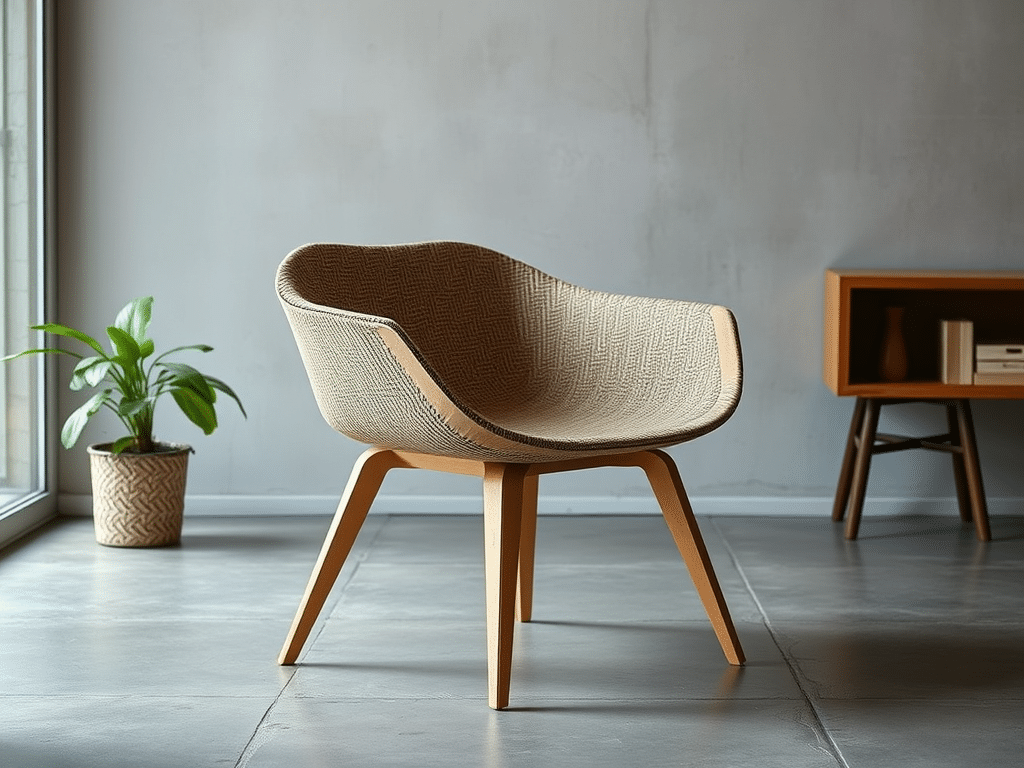
In the stylish landscape of sustainable living, upcycled cardboard furniture is making waves for its eco-friendly appeal and versatility. Offering endless possibilities for design enthusiasts, the idea of transforming cardboard boxes into chic interior pieces has captured the imagination of many. But how to make these pieces look like they’ve jumped straight off the pages of a designer catalog?
The secret lies in a blend of creativity and attention to detail. By choosing the right finishes, colors, and shapes, it’s possible to elevate the mundane into the extraordinary. Think sleek lines, modern patterns, and bold accents that mimic high-end designs without the hefty price tag. With these techniques, your upcycled creations can become not just functional but also focal points in any room, marrying sustainability with style seamlessly.
Understanding Upcycled Cardboard Furniture
Imagine transforming what many consider trash into treasure. Upcycled cardboard furniture does precisely that. It’s not just a chic interior design choice; it’s a statement on sustainability and creativity. By turning old boxes and cartons into stylish chairs, tables, and shelves, you can create a display that rivals designer pieces, all while being kind to the planet and your wallet.
Benefits of Upcycling Cardboard
Why choose upcycled cardboard? The reasons are as compelling as they are plentiful. Environmental advantages stand out as a significant benefit. By reusing materials, we cut down on waste and lessen the demand for new resources. Upcycling cardboard means diverting waste from landfills, which helps reduce pollution and conserves the energy typically used in producing new furniture.
Besides being eco-friendly, cardboard furniture is cost-effective. It allows you to experiment with designs without breaking the bank. A cardboard chair or table costs a fraction of what traditional furniture does, while still offering durability and style. Plus, it’s lightweight, so rearranging your room or moving house becomes a breeze.
The Versatility of Cardboard
When it comes to cardboard, we might think of dull, brown boxes, but this material is far more versatile than it appears. With some creativity, cardboard can be molded into various types, styles, and forms, offering endless possibilities for furniture design.
Different types of cardboard, such as corrugated, solid fiber, and grayboard, can be used based on the desired strength and aesthetic. Whether it’s a sleek modern stool or a vintage-look bookshelf, cardboard adapts beautifully. You can paint it, layer it, or even combine it with other materials to achieve the look you want. This adaptability makes cardboard a chameleon in the design world, matching any style or taste.
The beauty of cardboard furniture lies in its transformative nature. It starts as something ordinary and often overlooked, yet with a touch of ingenuity, it can become the centerpiece of your living space, reflecting both innovative design and a commitment to sustainability.
Design Principles for Cardboard Furniture
Designing upcycled cardboard furniture can be a delightful exploration of creativity and function. It’s a fascinating challenge to transform humble materials into stylish and functional pieces that echo the elegance of designer craftsmanship. The key to this transformation lies in understanding and applying certain design principles. Let’s explore a few essential ideas that can elevate cardboard furniture to new aesthetic heights.
Proportions and Scale
When you think about furniture, size and shape matter a lot. It’s all about creating a balanced look that fits well within a space. Imagine a large cardboard chair in a tiny room—it just wouldn’t fit right. Similarly, a small cardboard side table may seem lost in a spacious living room.
Consider these points:
- Balance: Keep the size of the furniture in proportion to the room. A large piece should anchor the space without overwhelming it.
- Shape: Use geometric shapes that complement each other. For instance, a rectangular coffee table may pair nicely with rounded chairs.
- Consistency: Make sure that all pieces in the room complement one another in size and shape for a cohesive look.
Just like a well-fitted puzzle, cardboard furniture must fit into the room’s layout seamlessly. Think of it as creating a visual harmony in a space where everything aligns perfectly.
Incorporating Functionality
While it’s amazing to have furniture that looks great, it also needs to serve a purpose. Cardboard furniture should be more than just a pretty face; it should work for you too. Consider a cardboard desk for your home office that not only adds style but also has plenty of space for your gadgets and papers.
Here’s how to make sure your cardboard creation is both stylish and functional:
- Stability: Ensure the furniture can handle the weight and use it will endure. Overlapping layers and strong joints can make a robust piece.
- Utility: Design with purpose. If it’s a chair, think about comfort. For a table, consider surface area and stability.
- Adaptability: Some pieces can be multi-functional. A cardboard bench might offer storage within its base, making it a dual-purpose gem.
Think of incorporating functionality like adding the perfect ingredient to a recipe. It enhances the overall experience without compromising on taste or style. In designing cardboard furniture, marrying form with function elevates your creation from simple decor to a designer statement that genuinely works for you.
These design principles can make a world of difference. They transform cardboard from a basic material to a stylish, functional piece that you would be proud to showcase. Whether it’s a chic chair or a sleek table, these guidelines offer endless possibilities for creativity and style.
Finishing Touches to Elevate Aesthetic
Accentuating the beauty of upcycled cardboard furniture can transform a basic piece into something that looks like it came straight from a designer catalog. The magic lies in the finishing touches. From choosing the right paint to adding luxurious textiles and perfect accessories, here’s how to elevate the aesthetic of your creations.
Painting Techniques
Choosing the right painting technique can make your cardboard furniture look polished and professional. Spray painting offers a smooth finish and evenly coats the surface, giving it a sleek look. Make sure to apply a primer first to seal the cardboard and prepare it for paint.
For those interested in exploring textures, using a brush with layered strokes can create a faux wood grain effect or even mimic the look of distressed wood. Chalk paint is another favorite for adding a rustic vibe without much effort. With its easy application and beautiful matte finish, it turns ordinary cardboard into a charming masterpiece. Always finish with a clear sealant to protect the paint and add a subtle shine.
Textiles and Upholstery
To make cardboard furniture feel more luxurious, introducing textiles can be a game-changer. Imagine an upholstered seat on a cardboard chair or a fabric-covered surface on a table. Quilted fabric coverings provide a cozy touch and add visual interest. Choose textiles like velvet or brocade for a rich look, or opt for light linen or cotton for a breezy feel.
Adhering fabric to the furniture is simple with the right adhesive or even a staple gun for areas not visible to the eye. Stretch and secure the material tightly for a clean look. Adding cushions or throws that coordinate with the fabric’s texture and color can further enhance the elegant feel.
Accessorizing with Decor
The final step is accessorizing, which breathes life and personality into cardboard furniture. Decorative elements such as small potted plants, chic lamps, or elegant bowls can sit atop the pieces to add character. Consider the theme you want to convey; whether it’s bohemian, modern, or vintage, accessories can make or break the aesthetic.
Small details like metallic accents or vintage hardware can be added to handles and edges, mimicking more expensive designs. It’s like giving your cardboard furniture a costume that makes it look worthy of a place in any designer showroom.
By carefully selecting painting techniques, textiles, and accessories, you can elevate your upcycled cardboard furniture to new heights. These finishing touches not only enhance the visual appeal but also add a personal touch, transforming each piece into a unique statement.
Examples of Stylish Cardboard Furniture
Upcycled cardboard furniture is not just a trend; it’s a brilliant blend of creativity and eco-friendliness that can elevate any space. With its growing popularity, you might wonder how these seemingly simple materials can transform into pieces that resemble something straight out of a designer catalog. Let’s explore some fascinating examples of stylish cardboard furniture that will spark your imagination.
Innovative Designs from the Community
The DIY community is brimming with creative minds who have turned ordinary cardboard into extraordinary pieces of furniture. These projects exemplify how cardboard, often seen as disposable, can find a second life in chic home decor.
- The Cardboard Lounge Chair: This design beautifully combines comfort and style, repurposing layers of cardboard into a sturdy chair. The ergonomic shape ensures it’s not just a looker but functional too.
- Eco-Friendly Bookshelves: Imagine shelves that are as lightweight as they are stylish, crafted entirely from recycled cardboard. Stack your novels, display your trinkets, or flaunt these unique bookshelves to your guests.
- Trendy Cardboard Coffee Table: Crafted with intricate patterns and shapes, these tables bring an artistic flair to any room. They’re a testament to how cardboard can be molded into versatile forms.
Professional Designers Using Cardboard
While DIY enthusiasts have laid the foundation for creative cardboard use, professional designers have taken it a step further. They’re not just embracing cardboard; they’re redefining what it can do.
- Frank Gehry: Known for his innovative use of materials, Gehry has integrated cardboard into his famous Wiggle Chair, a piece that is as much an art object as it is a functional seat. This design demonstrates cardboard’s potential to be sculptural and durable.
- Peter Raacke: With minimalist designs, Raacke showcases how cardboard can be sleek and modern without compromising on sustainability. His pieces often feature clean lines and clever engineering techniques, proving that cardboard can indeed be designer-worthy.
- Furniture for Modern Spaces: More designers are now adopting cardboard for its low environmental impact. These creations often come with modular designs that fit perfectly in contemporary spaces, combining eco-friendliness with aesthetic appeal.
From community inventions to professional masterpieces, upcycled cardboard furniture is a shining example of creativity meeting sustainability. It’s a movement that doesn’t just change how we view materials but also inspires us to think outside the box—literally!
Challenges and Solutions
Creating upcycled cardboard furniture requires creativity and insight, but also presents challenges that need addressing to ensure functionality and style. These challenges range from durability to weather resistance, especially if one aims to use these pieces outside. Here’s how you can tackle these common issues and transform cardboard into furniture that rivals designer pieces.
Durability Concerns
Cardboard, known for its versatility and recyclability, might lack the robustness needed for furniture that withstands daily wear and tear. However, enhancing its durability isn’t as daunting as it seems. Here are some practical steps to fortify your cardboard furniture:
- Lamination Techniques: Adding layers is akin to building a fortress. You can laminate cardboard with layers of recycled paper or thin sheets of metal to add strength. Think of it as giving your furniture a suit of armor.
- Hexagonal Honeycomb Structure: This method mimics the efficiency of nature’s own engineering marvels. By cutting and gluing multiple layers together in a honeycomb shape, you create a core that distributes weight more evenly, much like a bee’s honeycomb provides reliable structure.
- Protective Coatings: Applying protective finishes such as epoxy resin or polyurethane adds a shield against moisture and minor abrasions. Imagine dipping your piece in invisible armor that enhances its lifetime.
These strategies ensure that your cardboard creation doesn’t just look the part but plays it too, handling the realities of everyday use confidently.
Weather Resistance for Outdoor Use
Taking your cardboard furniture outdoors transforms it into a statement piece, blending creativity with the environment. Yet, the outdoors can be unforgiving. Here’s how you can prepare your furniture for the elements:
- Weatherproof Sprays: Products like Rust-Oleum NeverWet offer a first line of defense. By creating a barrier against water, these sprays help keep the worst of the weather away.
- Seal Edges with Caulk: Similar to sealing windows, caulking the edges prevents moisture seepage, adding years to the longevity of your furniture. It’s like zipping up your winter coat before heading into the snow.
- UV-Resistant Paint: Consider using paint that includes UV-blocking agents. This ensures the sun doesn’t fade or weaken the cardboard, much like sunblock protects your skin.
By addressing these hurdles with creative solutions, you can ensure your upcycled cardboard furniture not only looks exquisite but also withstands the stresses of time and weather, making it a real contender for any designer catalog.
Conclusion
Turning upcycled cardboard furniture into pieces worthy of a designer catalog involves creativity and clever design choices. By focusing on texture, bold paint colors, unique shapes, and smart embellishments, you can transform basic cardboard into a chic visual statement.
Encourage your creative journey. Experiment with a range of finishes and techniques, letting your personality shine through. Upcycling not only brings sustainability but also offers a fulfilling avenue for innovation.
Why not challenge yourself to create something that stands out? Embrace the artistry of upcycling and show the world how cardboard can redefine elegance. Try it, share your experiences, and explore the boundless possibilities.


