
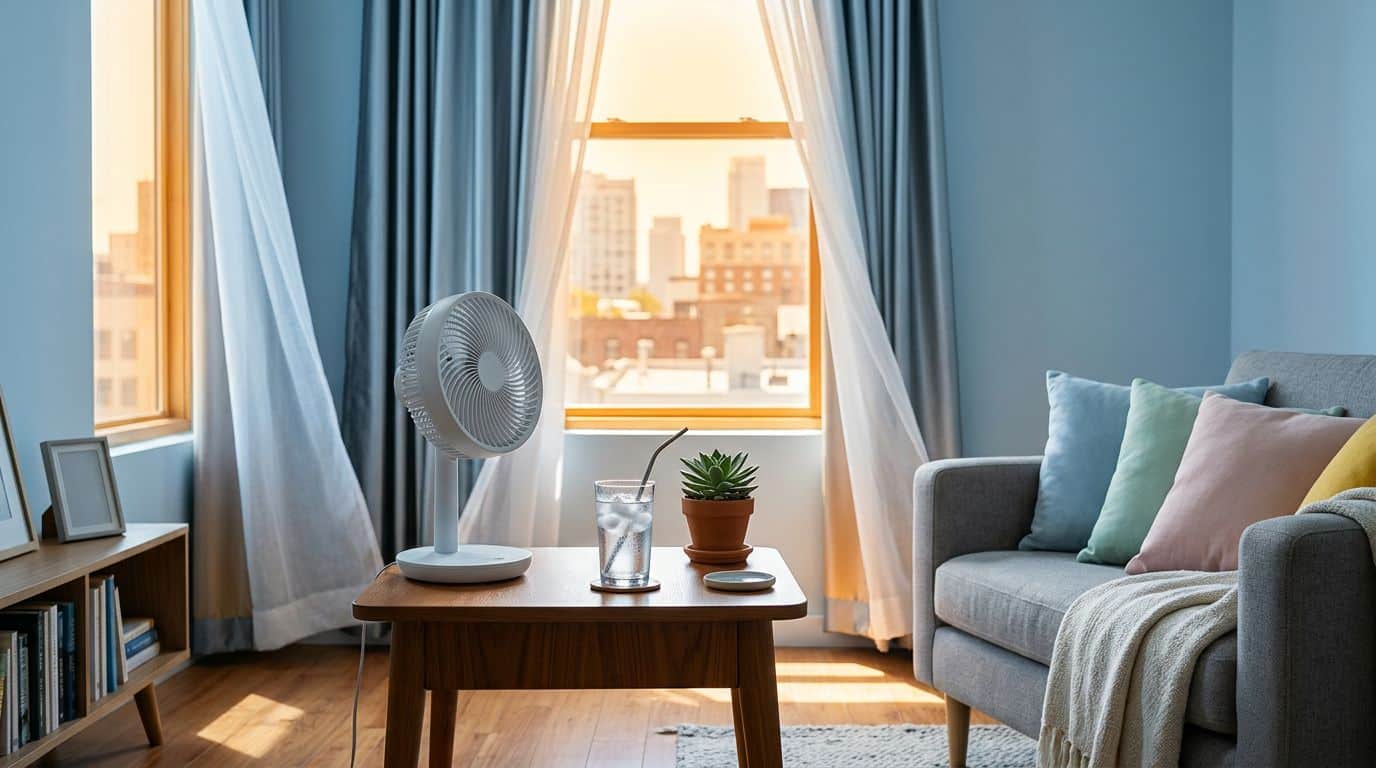
A heatwave in an apartment without central air can turn ordinary life into a low-budget survival film. The walls hold heat, the windows glow, and by 9 p.m. your bedroom feels like it has opinions.
The good news is that apartment heatwave survival usually comes down to a few plain rules, done at the right time. You do not need a miracle machine. You simply need a solid plan, a bit of timing, and the willingness to treat sunlight like the enemy. By prioritizing energy efficiency and maximizing your home insulation, you can keep the temperature manageable even during a intense spell of weather. Mastering these techniques is essential, especially if you ever find yourself facing a power outage, as knowing how to keep your space cool without mechanical assistance will become your most important survival skill.
Key Takeaways
- Seal and Block: Treat sunlight like an enemy by using blackout curtains, reflective window covers, or cardboard to prevent heat gain before the peak of the day.
- Rhythmic Ventilation: Master the “seal by day, flush by night” approach. Only open windows when the outdoor temperature is lower than your indoor temperature to create effective cross-ventilation.
- Cool the Body, Not Just the Room: Prioritize personal cooling with hydration, light-colored natural fibers, and cool showers rather than relying solely on fans to lower ambient room temperature.
- Know Your Limits: Recognize the signs of heat exhaustion and have a pre-planned retreat, such as a library or public cooling center, before your apartment becomes dangerously hot.
Apartment heatwave survival starts at the windows
The first job is not cooling the apartment. The first job is stopping it from getting hotter. Improving your home insulation starts with your windows, as these are the primary points where heat enters your living space.
If the outside air is already warmer than the air in your place, shut the windows early. Close blinds, pull curtains tight, and do it before the sun starts baking the glass. South-facing and west-facing windows are the usual troublemakers, especially in older brick buildings that store heat like grudges.

A dark room can feel gloomy, sure. It can also feel 10 times more livable at 4 p.m. Pick livable.
High-quality blackout curtains help keep the sun at bay. So do temporary paper shades, tension-rod curtains, and reflective window covers. A practical version, mentioned in this ApartmentRatings guide on blocking heat, is foil-covered cardboard for punishing sun exposure. It is not glamorous. Neither is sweating through your sheets.
Small leaks matter more than people think. If hot air slips around a loose window sash or under an exterior door, your apartment keeps reheating. Proper air sealing is essential for keeping your space comfortable. Peel-and-stick weather stripping is cheap, renter-friendly, and worth the five minutes it takes to press into place.
Then cut the heat you are making indoors. Skip the oven. Skip the dryer. Skip the “I will meal prep for three hours” fantasy until the heat breaks. Use the microwave, an electric kettle, a rice cooker, or food that does not need cooking at all. Even lamps add warmth, so swap old bulbs for LED light bulbs to reduce heat gain and boost the energy efficiency of your apartment.
If the air outside is hotter than the air inside, open windows are not relief. They are an invitation.
That single rule saves people a lot of misery.
Use fans like tools, not decorations
A fan does not cool the room. It cools you, or it moves hot air out so cooler air can replace it. Those are two different jobs, and the setup changes depending on the time of day.
During daylight, if the air outdoors is hotter, a fan aimed at your face is fine. A fan aimed at a sun-baked open window is mostly theater. At night or early morning, when outdoor air finally drops, that is your moment. Create cross-ventilation if you can. Open windows on opposite sides of the apartment. Put one box fan facing out in the warmer room, then let another opening pull cooler air in to complete the cross-ventilation effect.
A small digital thermometer, or a thermometer-hygrometer combo, helps more than guesswork. They usually cost far less than a dinner delivery and tell you when the indoor-outdoor swap is worth making.
This simple rhythm works well in most apartments:
| Time | Windows | Shades | Fans |
|---|---|---|---|
| Morning, before outdoor heat rises | Open briefly if outside is cooler | Open shades only if no direct sun | Pull in cool air |
| Midday and afternoon | Closed | Closed tight | Point at your body |
| Late evening and overnight | Open if outside cools down | Open as needed | Exhaust hot air, pull in cool air |
The pattern is simple. Seal by day, flush by night.
If you have ceiling fans, set them to spin counterclockwise in summer so they push air down. If you have only one window, place one of your box fans in it facing outward after sunset. That helps pull hot air out of the room. Bathroom and kitchen exhaust fans can help for short stretches too, especially after a shower or cooking, because humidity makes a warm room feel meaner.
Some people try the old ice-bucket fan trick. While an evaporative cooling fan or swamp cooler can provide a small, localized boost, these setups only cool a chair-sized zone. They do not cool an entire apartment.
If you are thinking about buying something, start with a 20-inch box fan from a common brand like Lasko or Honeywell. It is often the highest-value purchase for a short heatwave. If your lease and windows allow a real window AC unit, that option usually cools better than a single-hose portable air conditioner. If your living situation requires a portable air conditioner, dual-hose models are the better bet for efficiency.
Cool your body before you cool the whole building
People sometimes fight a heatwave like they are trying to win an argument with the sun. That is exhausting. Work smaller and focus on your own physiology first.
Adequate hydration is essential throughout the day. Do not wait until you feel wrecked to start drinking. If you are sweating a lot, focus on electrolyte replacement by consuming broth or oral rehydration drinks. Cold fruit also helps, as watermelon and cucumbers pull their weight during extreme temperatures. Taking these small steps is vital to prevent heat-related illnesses when indoor temperatures climb.
Clothing matters. Opt for light-colored clothing made from natural fibers, such as cotton or linen, which beat thick sleepwear and synthetic blends that cling when you are already miserable. Taking cool showers works wonders as a quick reset. You can also run cool water over your wrists, feet, and the back of your neck. These simple adjustments can lower the panic of feeling overheated.
Night is often the hardest part. Brick and concrete keep releasing heat long after sunset, so the room that looked manageable at 7 p.m. can feel awful at midnight. If your bedroom is the hottest room, stop insisting on it. Sleep in the living room or sleep lower to the ground. If you have two floors, camp downstairs for a night or two. Pride is not climate control.
A fan pointed across a slightly damp sheet, or toward your bare lower legs, can make sleep possible. A frozen water bottle wrapped in a towel at your feet or behind your knees helps more than people expect. Keep the towel, because ice straight on skin is a bad idea when you are half asleep.
The other part is routine. Heat punishes bad timing. Shower late, not at noon. Run the dishwasher only if you must, and preferably overnight. Eat cooler meals. A sandwich, yogurt, or salad generates significantly less indoor heat than roasting vegetables at 425 degrees just because you are trying to live normally.
Saakin’s guide to keeping an apartment cool without an air conditioner lands on the same basic truth: reduce heat sources, block sun, and move air with intention. That combination is not fancy, but it works.
Have a backup plan before the apartment feels dangerous
There is a point where staying put stops being tough and starts being foolish. It is important to decide on that threshold before the temperature spikes. To stay ahead of the curve, use a digital sensor or a smart thermostat to monitor the indoor climate so you know exactly when your space is becoming unsafe.
Recognizing the signs of overheating is vital for your safety. Heat exhaustion often shows up as heavy sweating, dizziness, headache, nausea, muscle cramps, or unusual fatigue. If left unchecked, this can escalate into heat stroke, which is a life-threatening emergency. Symptoms like confusion, fainting, a body that stops cooling itself, chest pain, or trouble breathing are never signs to sleep it off. If you experience these, seek medical help immediately.
When you feel behind the heat, leave early. Waiting for the situation to become unbearable is how people get sick.
This awareness matters even more if you are older, pregnant, taking medication that affects hydration, living with heart or kidney issues, caring for a baby, or looking after pets. Fans are helpful, but they are not magic. A brachycephalic dog, an older cat, or a person on specific medication can struggle much faster than the room temperature suggests.
Your backup plan does not need to be dramatic. Public cooling centers, libraries, shopping centers, movie theaters, or a friend’s air-conditioned apartment are all great options to break up the worst hours of the day. Even a long, slow grocery run can provide the relief your body needs. When your apartment remains dangerously hot late at night, the following morning usually starts from a worse place. That is the moment to prioritize your safety and relocate.
For repeat heatwaves, build an emergency prep kit now instead of improvising later. A box fan, blackout curtain panels, weather stripping, a refillable water bottle, freezer packs, and oral rehydration packets cover most of the problem for less money than a portable AC unit. Add a phone charger and a list of nearby cool locations to your kit, and you will no longer be guessing when the next wave hits.
If your building has chronic heat issues because windows do not seal, blinds are broken, or ventilation is poor, document it. Ask the landlord for repairs in writing. Central air may not exist, but basic habitability still matters.
Frequently Asked Questions
Should I leave my windows open during the day if there is a breeze?
No, you should keep windows closed and covered during the day if the outside air is warmer than the air inside. Opening them essentially invites the outdoor heat into your living space, turning your apartment into an oven.
Are ice-bucket fan setups actually effective?
These setups provide only a minor, localized cooling effect on a small, chair-sized zone. They are not powerful enough to lower the temperature of an entire room or apartment and are generally not worth the effort for long-term heatwave management.
What should I do if my apartment stays hot even at night?
If your apartment retains heat, try sleeping in a cooler area of the home, such as the living room or on a lower floor. If the heat remains at dangerous levels, do not hesitate to seek a cooling center or an air-conditioned location to recover, as prolonged exposure can lead to heat-related illness.
Conclusion
Surviving a heatwave without central air feels personal, but the solution is usually mechanical. Block heat early, move air at the right time, cool your body first, and leave before stubbornness turns into danger.
This is the core of apartment heatwave survival. It is not about heroics or expensive gadgets, and it certainly is not about pretending you can outlast a top-floor oven with positive thinking. By focusing on energy efficiency and proactive body cooling, you can remain comfortable even when the temperatures soar.
When your walls start radiating heat back at you, keep the plan simple and a little ruthless. The sun does not care how chill you are, so stay prepared and keep your cool.
This post may contain affiliate links. If you make a purchase through these links, I may earn a small commission at no extra cost to you.


